


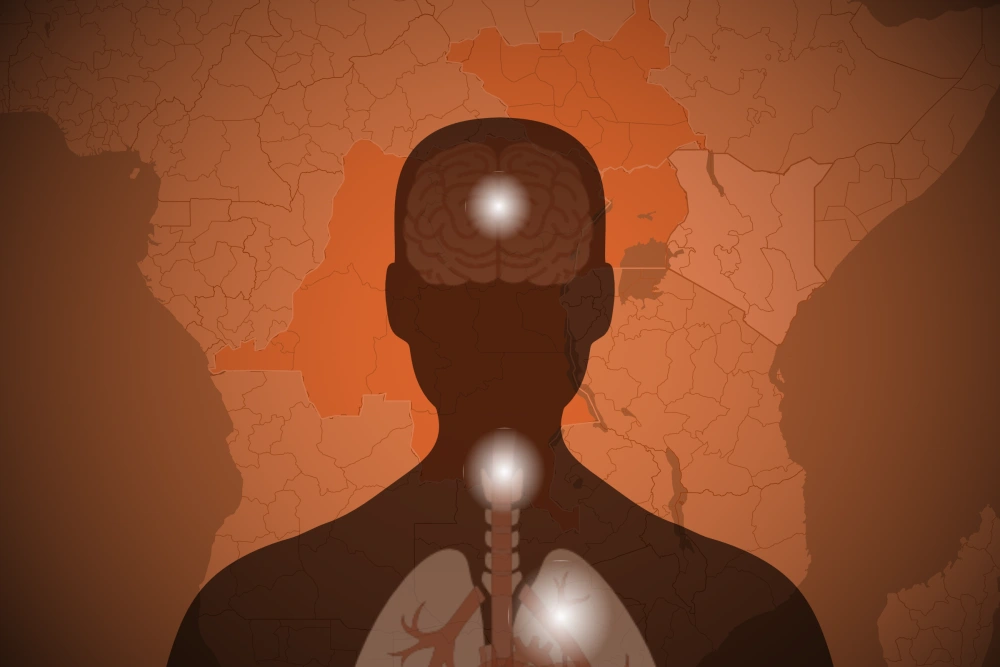
The Congo Ebola Outbreak is raising concerns among global health experts as the number of infections continues to grow in eastern Democratic Republic of the Congo. Health authorities are working to contain the spread of the virus while monitoring the risk of further transmission within the region and beyond.
The World Health Organization declared the outbreak a public health emergency in mid-May after cases increased rapidly in affected communities. Since then, hundreds of confirmed infections and dozens of deaths have been reported.
The outbreak involves the Bundibugyo species of the Ebola virus, a less common strain that has caused only a small number of outbreaks since it was first identified. Despite being less well known than other Ebola strains, health officials warn that it remains a serious threat because of its ability to spread through close contact.
Public health experts say the current outbreak is especially concerning because it is occurring in a region affected by armed conflict and population movement. Eastern Congo is home to major mining activities that attract large numbers of workers and travelers. This mobility increases the risk that infected individuals could carry the virus to other communities.
The World Health Organization has highlighted the speed of the outbreak as a major concern. Officials say crowded areas and ongoing instability could make containment efforts more difficult.
At the same time, controversy has emerged over plans involving Americans who may have been exposed to the virus. The United States government proposed sending exposed individuals to a quarantine facility in Kenya, even though the country has not reported Ebola cases.
The proposal has generated opposition in Kenya and triggered protests in several areas. Demonstrators have raised concerns about hosting a quarantine center for people potentially exposed to the virus.
A Kenyan court has temporarily suspended plans for the facility while legal challenges continue. Government officials are reviewing the proposal as discussions with international partners move forward.
Meanwhile, US officials have indicated that Americans who become infected and require advanced medical treatment may be transferred to Europe rather than returned directly to the United States.
One American surgeon who contracted Ebola while treating patients in Congo was evacuated to Germany for specialized care. Health authorities continue to monitor the situation closely.
Ebola is one of the world’s most dangerous infectious diseases. Unlike respiratory viruses, it does not spread through casual airborne contact. Instead, the virus spreads through direct contact with blood, saliva, and other bodily fluids from an infected person.
People can also become infected through contact with contaminated surfaces or by handling the bodies of victims. These factors make strict infection control measures essential during outbreaks.
The disease causes a severe form of hemorrhagic fever that damages blood vessels and affects multiple organs throughout the body. Early symptoms often include fever, headache, sore throat, muscle pain, weakness, and fatigue.
As the disease progresses, patients can become critically ill and may experience serious complications that require intensive medical care.
One challenge facing health officials is the lack of approved vaccines or treatments specifically designed for the Bundibugyo strain. While researchers have identified potential vaccine candidates, none are currently ready for widespread human use.
Scientists continue to study the virus in hopes of developing effective prevention and treatment options. International health organizations are supporting research efforts while also assisting with emergency response measures.
There are four known Ebola virus species capable of causing disease in humans. The Bundibugyo strain was first identified in western Uganda less than two decades ago and has only been linked to a small number of outbreaks.
Researchers believe African fruit bats may serve as a natural reservoir for the virus. From there, Ebola can spread to humans through contact with infected animals before moving between people through direct exposure.
The current Congo Ebola Outbreak highlights the ongoing challenges of controlling infectious diseases in regions facing conflict, population movement, and limited healthcare resources. As health teams continue containment efforts, international agencies remain focused on preventing further spread and protecting vulnerable communities.
