


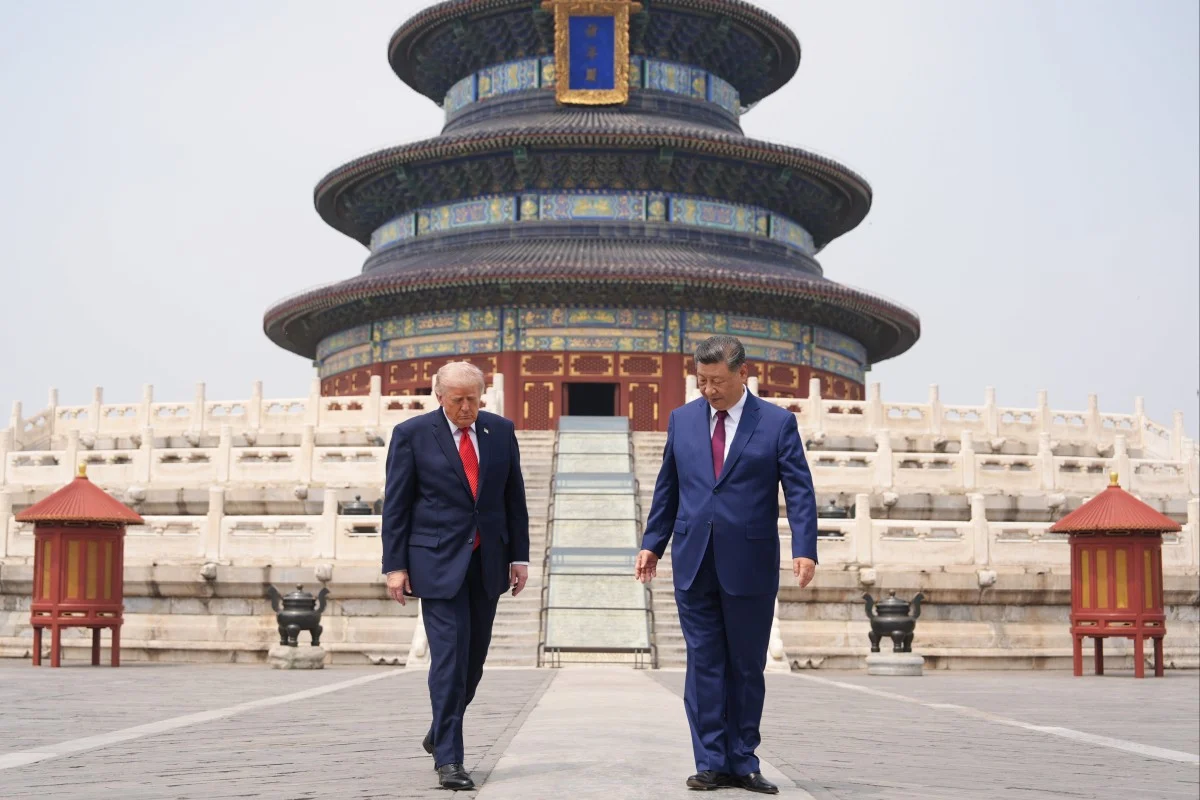
A United States congressional advisory panel has begun a visit to China to study how trade and economic ties between the two countries affect national security. The trip is the first official visit by the group to China in seven years and comes as both nations continue to manage a complex relationship shaped by trade, technology, and security concerns.
The delegation represents the US China Trade Security review process and plans to gather information from government officials, business leaders, academics, and technology experts. The visit is expected to help lawmakers better understand the impact of economic cooperation on national security and future policy decisions.
Members of the delegation said the visit is designed as a fact-finding mission. The group will examine how growing cooperation in key industries may influence both countries and the wider global economy. The findings are expected to support future recommendations made to the United States Congress.
Officials from the advisory panel have requested meetings with representatives of the Chinese government during the visit. They also plan to speak with researchers and university experts who study technology, innovation, and industrial development.
Technology will be one of the main topics during the meetings. The delegation plans to discuss progress in artificial intelligence, biotechnology, and robotics. These industries have become major areas of competition between the United States and China because of their growing role in economic growth, national defense, and advanced manufacturing.
Artificial intelligence is changing industries across the world. Governments are paying close attention to how AI can improve productivity while also creating new security challenges. Biotechnology is another area receiving increased attention because of its importance in medicine, healthcare, and scientific research.
Robotics also remains a key industry for both countries. Advances in automation have helped improve manufacturing, transportation, and logistics. At the same time, officials continue to study how these technologies could influence national security and global competition.
During the visit, the delegation will also meet with United States diplomats based in China. These discussions will provide updates on diplomatic relations, trade issues, and the current business environment for American organizations operating in the country.
American companies with operations in China are also expected to meet with the delegation. Business leaders are likely to share their experiences about market conditions, investment opportunities, supply chains, and challenges they face while working in one of the world’s largest economies.
The advisory panel aims to collect information from different sources to gain a balanced understanding of the trade relationship. Officials believe speaking with government representatives, business executives, and independent experts will provide valuable insight into current economic conditions.
Trade between the United States and China remains one of the largest bilateral economic relationships in the world. Both countries exchange hundreds of billions of dollars in goods and services each year. Despite ongoing political differences, businesses on both sides continue to play an important role in global supply chains.
In recent years, national security concerns have become more closely linked to economic policy. Governments have introduced measures affecting exports, technology transfers, and investment in sectors considered strategically important. These actions have increased attention on how economic ties influence long-term security interests.
The advisory panel regularly studies these developments and prepares reports for lawmakers. Its recommendations help Congress better understand trends in trade, technology, investment, and security. The information gathered during this visit will contribute to future reports and policy discussions.
This week’s meetings are expected to cover a wide range of issues related to economic cooperation and technological development. Delegates will review how innovation is changing industries and how governments are responding to new opportunities and potential risks.
The visit also highlights continued efforts to maintain communication between the two countries even during periods of political and economic tension. Direct discussions with officials, researchers, and business leaders may help improve understanding of shared challenges and areas of mutual interest.
As the delegation completes its fact-finding mission, its observations will be reviewed and included in future assessments presented to Congress. Those findings could help shape future decisions on trade policy, technology cooperation, investment, and national security as the relationship between the United States and China continues to evolve.
