


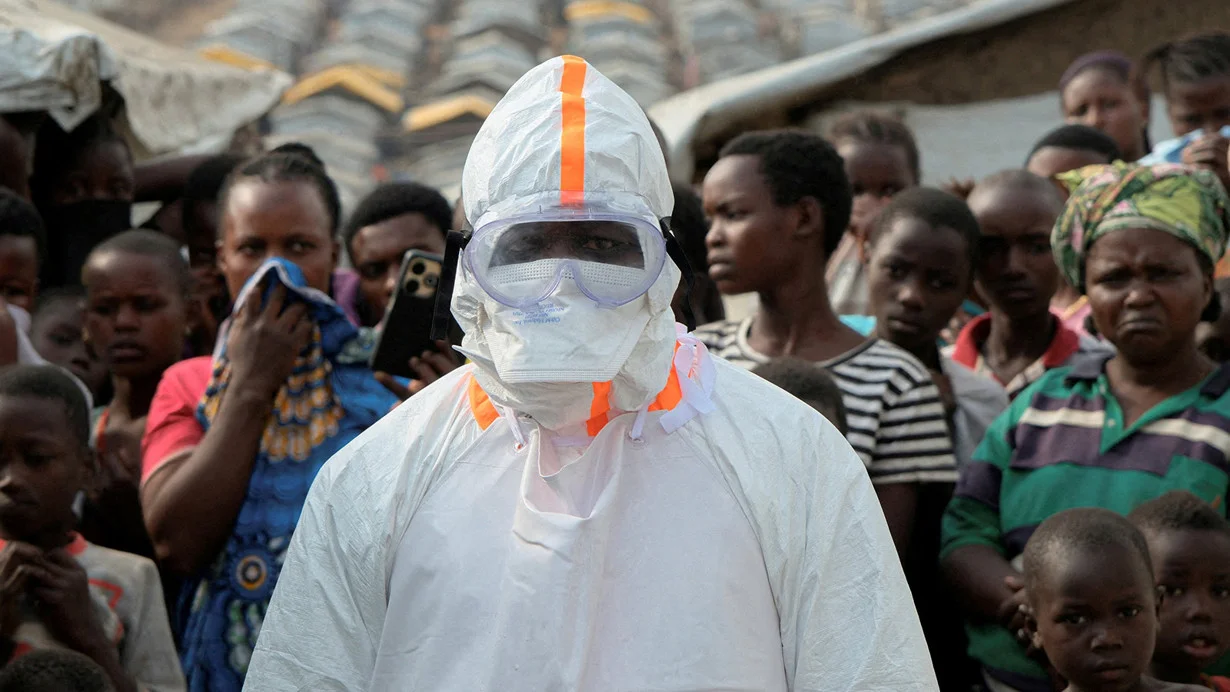
Uganda is preparing to discharge its last remaining Ebola patient, marking an important step in the country’s effort to end its latest outbreak. Health officials said the patient is expected to leave the isolation unit on Thursday, allowing the country to begin the World Health Organization’s required 42-day observation period before an outbreak can officially be declared over.
The planned discharge represents a significant milestone for Uganda’s public health system after months of monitoring, treatment, and disease control efforts. If no new Ebola cases are reported during the next 42 days, the country could officially regain Ebola-free status under international health guidelines.
Government spokesperson Alan Kasujja confirmed that the final patient would be discharged from Mulago National Referral Hospital in Kampala. He said the release of the patient starts the official countdown required by the World Health Organization before an outbreak can be declared finished.
According to WHO guidelines, the observation period begins after the last confirmed patient either recovers or dies and no additional infections are detected. The 42-day period equals two full incubation cycles for the Ebola virus, providing health experts with confidence that transmission has stopped.
Uganda’s Health Ministry reported that the country has recorded 17 recoveries during the outbreak. At the time of the latest update, only one patient remained in isolation before the planned discharge. The ministry also reported two deaths linked to the outbreak.
Health officials said a total of 20 Ebola cases have been recorded in Uganda during the outbreak. Of those, five infections were acquired locally while 15 were imported from neighboring areas. Public health teams have continued monitoring contacts, strengthening surveillance, and maintaining infection control measures to prevent further spread.
The outbreak in Uganda has been linked to the Bundibugyo strain of the Ebola virus. This strain is less common than the Zaire strain but can still cause serious illness. According to the World Health Organization, the current Bundibugyo outbreak is the third largest recorded for this virus type.
While Uganda is approaching an important milestone, the wider regional outbreak continues to affect neighboring countries. The Democratic Republic of the Congo remains the center of the larger Ebola emergency declared by the World Health Organization.
According to official data released on Wednesday, the Democratic Republic of the Congo has reported 2,011 confirmed Ebola cases during the outbreak. The country has also recorded 754 confirmed deaths linked to the disease.
The World Health Organization declared the outbreak in the Democratic Republic of the Congo a public health emergency in May because of concerns about continued transmission and the potential spread across borders. International health agencies continue working with local governments to strengthen surveillance, treatment, vaccination programs, and community awareness.
Uganda has maintained close coordination with international health partners throughout its response. Border screening, rapid testing, isolation procedures, and contact tracing have played important roles in limiting the spread of the virus within the country.
Ebola is a severe viral disease that spreads through direct contact with the bodily fluids of infected people or contaminated materials. Early detection, isolation of patients, and careful monitoring of contacts remain the most effective ways to stop outbreaks from spreading.
Health experts emphasize that continued vigilance is essential even after the last patient leaves treatment. During the 42-day observation period, health workers will continue monitoring communities for any signs of new infections. Immediate action will be taken if any suspected cases are identified.
If Uganda completes the observation period without recording another Ebola infection, the World Health Organization can officially declare the outbreak over. Such a declaration would mark the successful end of the country’s latest response while highlighting the effectiveness of coordinated public health measures.
For now, officials remain focused on maintaining surveillance and protecting communities. The discharge of the final patient represents encouraging progress, but health authorities continue urging caution until the full monitoring period has been completed.
