


The conflict between the United States and Iran has entered another tense phase, with both sides reporting fresh military actions and new claims involving the Strait of Hormuz. Officials from Washington and Tehran released separate statements describing overnight operations, while several reported incidents remain independently unverified.
According to the U.S. Central Command (CENTCOM), American forces carried out another round of military strikes against targets in Iran at about 01:00 GMT on Tuesday. The military said the operation targeted command centers, missile and drone launch sites, maritime capabilities, and air defense systems.
The latest operation was described by CENTCOM as part of a continuing military campaign. U.S. officials have not released further details about the extent of the reported damage or possible casualties.
Iranian state media reported explosions in several locations across the country during the night. Reports said blasts were heard on Qeshm Island, the largest island in the Strait of Hormuz, as well as in the port cities of Bandar Abbas and Bandar Lengeh.
Additional explosions were also reported near Shiraz in southern Iran. Iranian state broadcaster IRIB said locations in both the eastern and western parts of the city were attacked.
Officials in Isfahan province disputed separate reports suggesting explosions had occurred there. Provincial authorities told state media that no attacks or blasts had taken place in the area.
In Bushehr province, local officials said sounds of explosions were linked to the activity of air defense systems. Iranian media also reported explosions in the western city of Abdanan, citing local authorities.
Iran also announced military action against U.S. assets in the Gulf region. The Islamic Revolutionary Guard Corps (IRGC) claimed it carried out missile and drone strikes against American military facilities in Bahrain and Kuwait.
According to statements released through Iranian state and semi-official media, the IRGC said it targeted air defense systems, radar installations, communications equipment, and other military infrastructure.
The IRGC also claimed to have struck facilities connected to U.S. military operations, including equipment at Ali Al Salem Air Base in Kuwait. These claims have not been independently verified, and U.S. authorities have not confirmed the reported damage.
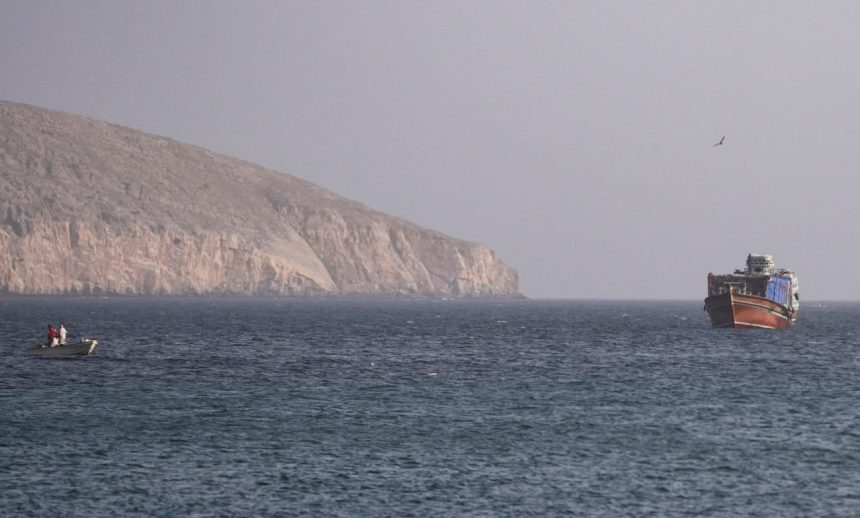
One of the most significant developments involved the Strait of Hormuz, a vital global shipping route for oil and natural gas exports.
The IRGC claimed that two oil tankers caught fire after explosions while attempting to travel through what it described as an unsafe southern shipping route in the strait. Iranian officials said rescue teams were working to evacuate the crews.
Iranian authorities did not identify the vessels involved or provide additional details about the cause of the reported explosions. Independent confirmation of the tanker incidents was not immediately available.
The IRGC repeated earlier warnings to international shipping companies, urging them to avoid routes it considers unsafe while military operations continue in the region.
Meanwhile, the White House said military operations would continue until President Donald Trump decides otherwise. At the same time, U.S. officials indicated that diplomatic discussions between Washington and Tehran remain ongoing.
The latest developments come as international concern grows over the security of one of the world’s most important maritime trade corridors. The Strait of Hormuz carries a significant share of global energy exports, making any disruption a major concern for international markets and regional stability.
With both governments continuing military operations while also signaling ongoing diplomatic contacts, the situation remains highly fluid. Many of the claims made by both sides, including reports of battlefield damage and attacks on strategic facilities, have not yet been independently verified.
Governments and global markets are closely monitoring events as tensions continue to rise and uncertainty remains over the next stage of the conflict.
