


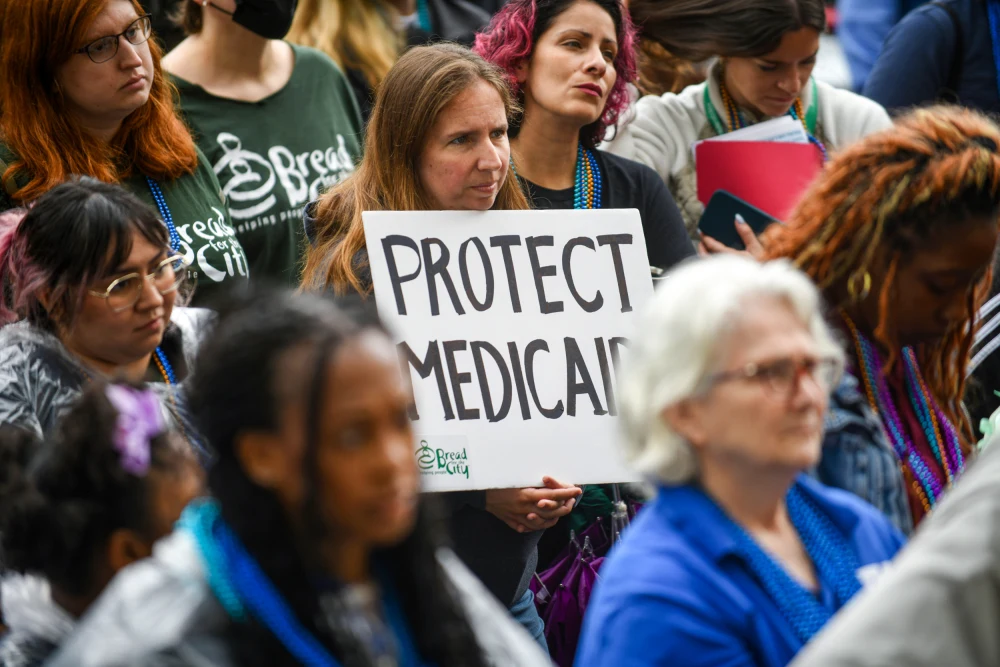
A new report shows a sharp US health insurance decline, with more than 5 million people losing Medicaid or Affordable Care Act coverage in recent months. The drop has raised concerns among health experts, who warn that fewer Americans are now protected by public or subsidized health plans. They say the trend could lead to higher medical risks and financial pressure for families.
The report links the US health insurance decline to recent policy changes and funding cuts. It highlights the impact of a major federal law signed last year by former President Donald Trump, which included deep reductions in Medicaid funding over the next decade. It also points to the end of expanded ACA subsidies, which previously helped lower monthly insurance costs for millions of Americans.
Health policy researchers say the combined changes have made coverage more expensive and harder to maintain. Many families are now facing higher premiums or losing eligibility for certain programs. Experts warn that these shifts were expected and had been predicted in earlier government analysis.
The Congressional Budget Office had estimated that up to 15 million more people could become uninsured by 2034 due to these changes. The new data suggests that part of this trend is already happening sooner than expected. Analysts say early signs show a continued drop in enrollment across multiple states.
According to the report, Medicaid and the Children’s Health Insurance Program saw a combined drop of about 3.8 million enrollees since last June. At the same time, Affordable Care Act marketplace plans lost about 1.2 million participants. These two programs form a key part of the US safety net for low income families and children.
Experts say some of the decline may reflect people switching to employer based insurance. However, they believe the scale of the drop suggests many people are losing coverage entirely. Health researchers warn that even short gaps in insurance can lead to delayed treatment and worse health outcomes.
The report was based on federal enrollment data from the Centers for Medicare and Medicaid Services and research from the Georgetown University Center for Children and Families. It found that most US states experienced declines in public health coverage. Only a few states, including Alabama, Missouri, and Montana, did not follow the downward trend.
Some of the largest drops were seen in states such as Indiana, Louisiana, Arizona, Rhode Island, and Delaware. These states recorded significant reductions in Medicaid and CHIP enrollment. ACA marketplace plans also fell sharply in several states, including North Carolina, Ohio, West Virginia, and Indiana.
Experts say several policy changes have yet to take full effect. One major upcoming change is the introduction of Medicaid work requirements in several states. These rules will require certain adults to meet job related conditions to keep coverage. Nebraska has already implemented the policy, and other states are expected to follow.
Health policy experts warn that these rules could further reduce enrollment. They say administrative barriers may lead eligible people to lose coverage. Some researchers also point to what they call a “chilling effect,” where individuals avoid enrolling due to fear of eligibility checks or immigration concerns. This could affect vulnerable communities the most.
Another factor is the expiration of enhanced ACA subsidies. These subsidies previously helped reduce insurance costs for millions of people. Without them, many families have faced large premium increases. In some cases, costs have risen by double or triple digits, making coverage harder to afford.
Health experts warn that losing insurance often leads to delayed medical care. People may avoid doctor visits or skip treatment due to cost. Over time, this can result in more serious health problems and higher long term expenses. They say the impact is not only medical but also economic for families and the wider system.
Researchers say the decline in coverage may continue as more policy changes take effect. They expect further drops once work requirements expand and subsidy impacts deepen. Analysts describe the situation as a growing affordability challenge for the US healthcare system.
The report concludes that the US health insurance decline reflects a broader shift in access to care. Experts say the coming months will be critical in determining how many more people may lose coverage and what policy responses may follow.
