


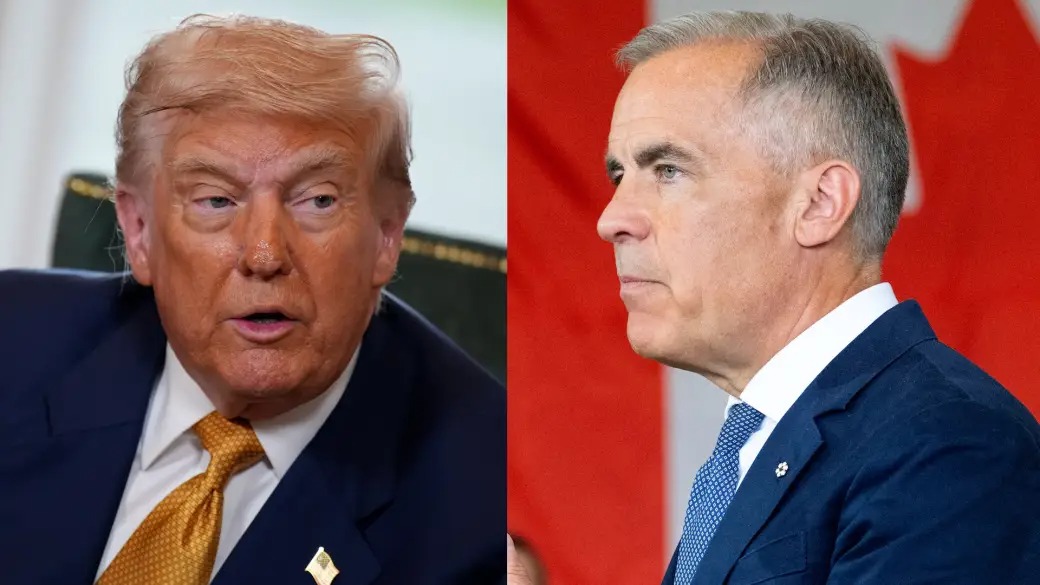
The United States has imposed 50% tariffs on about $20 billion worth of Canadian goods after the two countries failed to reach a new trade deal.
The new tariffs took effect early Saturday, August 22. Canada quickly said it would respond with matching measures. The move marks a sharp new turn in trade ties between the two close neighbors.
The dispute grew after last minute talks failed late Friday. US and Canadian officials had been trying to reach an agreement before the new tariffs began. The talks did not produce a deal.
The new US tariffs cover a wide range of Canadian products. The goods affected represent about $20 billion in trade. The measure adds to other tariffs already affecting some Canadian goods.
Canadian Prime Minister Mark Carney said Canada would respond with tariffs of its own. He said the country would match the US measures on about $28 billion worth of goods.
The decision has raised fears of a wider trade fight between the two countries. The US and Canada have one of the world’s largest trading links. Businesses on both sides depend on goods moving across the border each day.
The two countries exchanged more than $880 billion in goods and services last year. That makes the new tariffs important for both economies.
The latest move could raise costs for companies that depend on Canadian goods. Some firms may pass those costs on to customers. Others may look for new suppliers in the US or other markets.
Canadian companies could also face weaker demand from US buyers. Higher prices may make some Canadian goods less attractive in the American market.
The dispute could affect many types of products. Canadian exports to the US include food, energy, metals, machinery and many other goods.
The tariffs also come at a difficult time for businesses. Companies have already faced higher costs from changes in global trade. The latest US Canada dispute adds another layer of uncertainty.
For American consumers, the effect may depend on the goods covered by the tariffs. If companies face higher import costs, some of those costs could reach stores and other businesses.
Canada is also preparing its response. Officials want to protect Canadian firms while avoiding a larger economic shock.
The new tariffs have created fresh doubts about the future of the United States Mexico Canada Agreement. The trade deal has been a key part of North American trade for years.
The latest dispute could make future talks more difficult. Both governments are now facing pressure from businesses and voters at home.
President Donald Trump has made tariffs a major part of his trade policy. His administration has argued that tariffs can protect American businesses and push other countries to offer better trade terms.
Canada has rejected that approach. Its government has argued that the new tariffs will hurt businesses and consumers in both countries.
The breakdown in talks was especially important because the two sides had been working under a short delay. Washington had paused the new tariffs for several days to give negotiators more time.
That extra time was not enough to produce an agreement.
The US government has not closed the door on future talks. However, no new schedule for negotiations has been set.
The lack of a clear next step adds to uncertainty for companies. Businesses now have to work with the new tariffs while waiting to see if another deal can be reached.
Markets are also watching the dispute closely. Investors will be looking for signs that the tariffs could affect growth, prices and company profits.
Canada’s response could increase that pressure. If both countries keep raising tariffs, the cost of cross-border trade could rise further.
The two economies remain closely linked despite the dispute. American companies rely on Canadian supplies, while Canadian firms rely heavily on the US market.
That link could make a long trade fight costly for both sides.
For now, the tariffs are in place and Canada has promised retaliation. The next stage will depend on whether Washington and Ottawa return to serious talks.
Until then, businesses on both sides of the border face a new period of uncertainty. The latest measures show how quickly a trade dispute between two close allies can become a major economic problem.
