


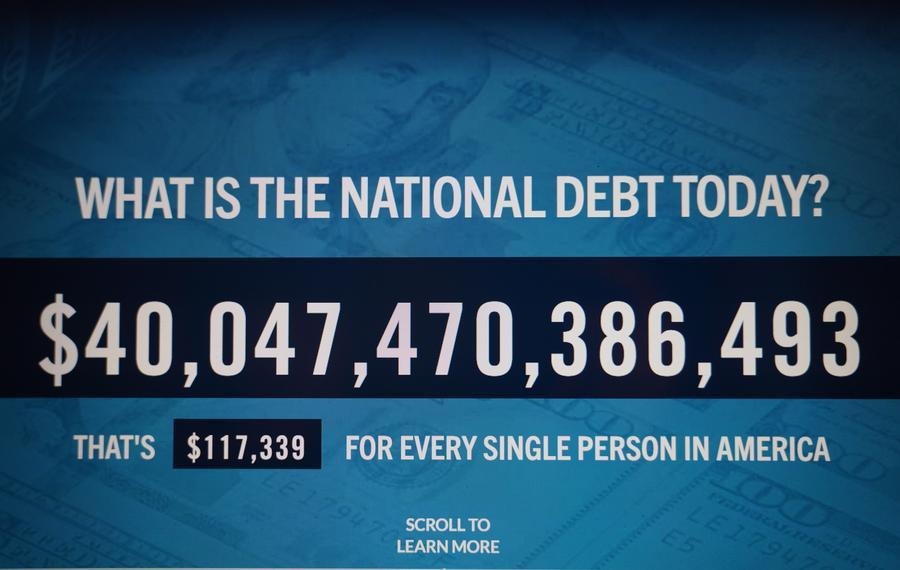
The United States now faces a major fiscal test after its national debt passed $40 trillion. The record level has renewed concern over government spending, rising interest costs and the long term health of the US economy.
Treasury data showed that total US debt reached about $40.047 trillion. The figure is the highest ever recorded.
The new level came less than five months after the debt passed $39 trillion. That fast rise has drawn fresh attention from economists and budget experts.
The debt has grown under both Republican and Democratic presidents. It has also risen through several major events. These include the COVID-19 crisis, large government aid plans, tax cuts, higher defense costs and rising spending on social programs.
Interest costs are now a key concern.
The US government must pay interest on its debt each year. As the debt grows, those payments can take more money from the federal budget. Higher interest rates can make the cost even larger.
That leaves less room for other needs.
The government must fund programs such as Social Security and Medicare. It also pays for defense, roads, health care and many other services. Rising debt costs can make those choices harder.
The debt is split into two main parts. One part is debt held by the public. The other is money the government owes to other parts of the government.
More than $32 trillion of the total is held by the public. The rest is held in government accounts.
The latest figure also shows how fast US debt has grown over the past decade. The total has more than doubled in that period.
The pace has raised concerns about the future. A large debt does not mean the US economy is in crisis today. The country still has a huge economy and the dollar remains a major global currency.
US government bonds are also widely held by investors around the world. They remain an important part of global financial markets.
But high debt can still create problems.
If investors demand higher returns to buy US bonds, the government may have to pay more to borrow money. Higher borrowing costs can also affect businesses and households.
Mortgage rates can rise. Business loans can become more costly. Consumers may also face higher costs when credit becomes more expensive.
The debt may also limit the government’s ability to respond to a future crisis.
A recession, war or major natural disaster could require new spending. A government with high debt may have less room to borrow more without adding to its interest burden.
The Trump administration has said it wants to reduce waste and improve economic growth. Treasury Secretary Scott Bessent has argued that stronger growth can help the country manage its debt.
But critics say growth alone may not be enough.
The main problem is the gap between government spending and government income. When spending remains above revenue, the government must borrow to cover the difference.
That means the debt can keep rising even when the economy is growing.
Social programs are a major part of the long term debate. An aging population means more Americans may depend on programs such as Social Security and Medicare. At the same time, the government must find enough revenue to support those programs.
Defense spending is another major factor. US military costs have increased as the country deals with conflicts and security risks around the world.
The war involving Iran has added more pressure to the federal budget. Military costs can rise quickly during a major conflict.
Tax policy is also part of the debate. Changes in tax rates can affect government revenue. Lower taxes can support spending and investment, but they can also reduce money flowing into federal accounts if spending is not cut.
The $40 trillion mark therefore points to a much wider issue.
The question is not only how large the debt is today. It is also how quickly it grows and how much the government must pay to service it.
For now, the US remains able to borrow at a huge scale. But the record debt has made the need for a long term fiscal plan harder to ignore.
As the total continues to rise, lawmakers will face growing pressure to balance spending, taxes and economic growth.
The $40 trillion milestone is a warning sign, but it is not an immediate collapse. The bigger test will be whether Washington can slow the growth of the debt before interest costs place even greater pressure on the economy.
