


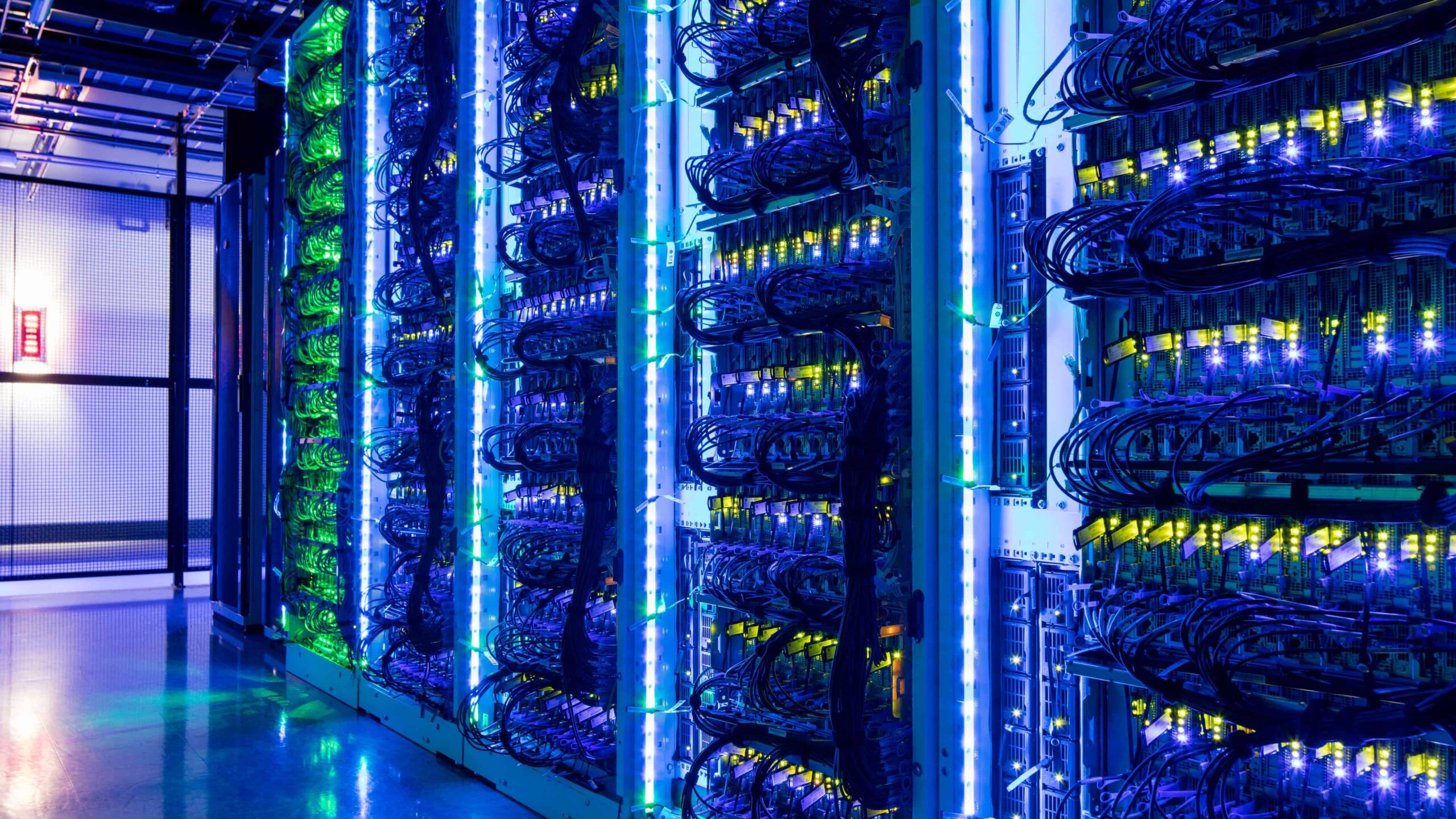
Amazon announced a major new commitment to communities that host its data centers, pledging to invest more than $1 billion over the next five years in local programs and projects.
The investment will support education, workforce training, water conservation, energy preservation, and other community priorities in areas where Amazon operates large data center facilities.
The announcement comes as data centers face growing public attention across the United States. As artificial intelligence and cloud computing continue to expand, technology companies are building larger facilities that require significant amounts of land, electricity, and water.
In a statement released Friday, Matt Garman, chief executive of Amazon’s cloud computing division, said the company plans to continue working closely with local communities while increasing transparency around its projects.
According to Garman, Amazon has already invested more than $1 billion in communities with major data center operations during the past three years. The company now plans to build on those efforts with additional funding and support.
The new investment program is expected to focus on projects that provide direct benefits to local residents. These efforts may include educational initiatives, job training opportunities, environmental programs, and community development projects.
Amazon said it is also making changes to how it communicates with local governments and residents.
Garman stated that the company is no longer using nondisclosure agreements with government agencies involved in data center projects. He said Amazon is also increasing public engagement by hosting community meetings and open house events to share information about planned developments.
The company believes that greater transparency can help address concerns and provide residents with a better understanding of how data centers operate.
Data centers have become one of the most important parts of the modern digital economy. These facilities support cloud computing services, artificial intelligence systems, online applications, and data storage for businesses and consumers.
While data centers have existed for decades, the rapid growth of artificial intelligence has increased demand for larger and more powerful facilities.
Many new data centers are significantly larger than earlier generations of technology infrastructure. Some facilities cover vast areas and require large amounts of electricity to power computer servers and cooling systems.
As construction activity increases, concerns have grown in many communities.
Residents, environmental groups, and some local officials have raised questions about the impact of data centers on energy use, water supplies, and local infrastructure. Concerns about rising electricity demand have become a major topic in several states.
According to a report released by the United Nations University in June, data centers are expected to account for nearly 3 percent of global electricity use by 2030. The report estimated annual electricity consumption could reach 935 trillion watt-hours as digital infrastructure continues to expand.
Garman argued that some information circulating about data centers does not fully reflect industry efforts to improve efficiency and reduce environmental impacts.
He also warned against proposals that could limit future data center construction. More than 100 measures affecting data center development have been considered in communities across the country.
Supporters of new facilities argue that they create jobs, attract investment, and strengthen technology infrastructure. Critics often point to environmental concerns and the pressure that large projects can place on local resources.
The debate has become increasingly important as artificial intelligence continues to drive demand for computing power.
Amazon remains one of the largest investors in digital infrastructure worldwide.
Earlier this year, the company announced that it expects capital expenditures to reach approximately $220 billion in 2026. The spending includes investments in data centers, cloud computing infrastructure, artificial intelligence technology, and related projects.
That figure represents an increase from a previous estimate of $200 billion.
Public opinion on data center growth remains mixed.
Recent surveys have shown that many Americans support limits on the number of new facilities built in their communities. Concerns about electricity prices and water availability remain common among both Democratic and Republican voters.
At the same time, supporters argue that data centers are essential for economic growth, technological innovation, and national competitiveness.
The Amazon Data Center Investment initiative reflects the company’s effort to address community concerns while continuing to expand its technology infrastructure. As demand for artificial intelligence and cloud services grows, the relationship between technology companies and local communities is expected to remain an important issue in the years ahead.
