


A series of technology failures affecting major American companies and government systems has raised fresh questions about the reliability of the country’s digital infrastructure. The latest disruption reached the National Security Agency on Tuesday, following earlier problems involving Microsoft, the Federal Aviation Administration, banks and United Airlines. The Trump administration has played down fears of a coordinated cyberattack, saying there is no evidence that the incidents are connected.
The NSA reported a temporary reduction in the performance of its internal communications network during routine maintenance. Officials said mission-critical services remained operational. The incident nevertheless attracted attention because the agency handles highly sensitive national security information. Any disruption to its communication systems can raise questions about the reliability of technology used by government institutions.
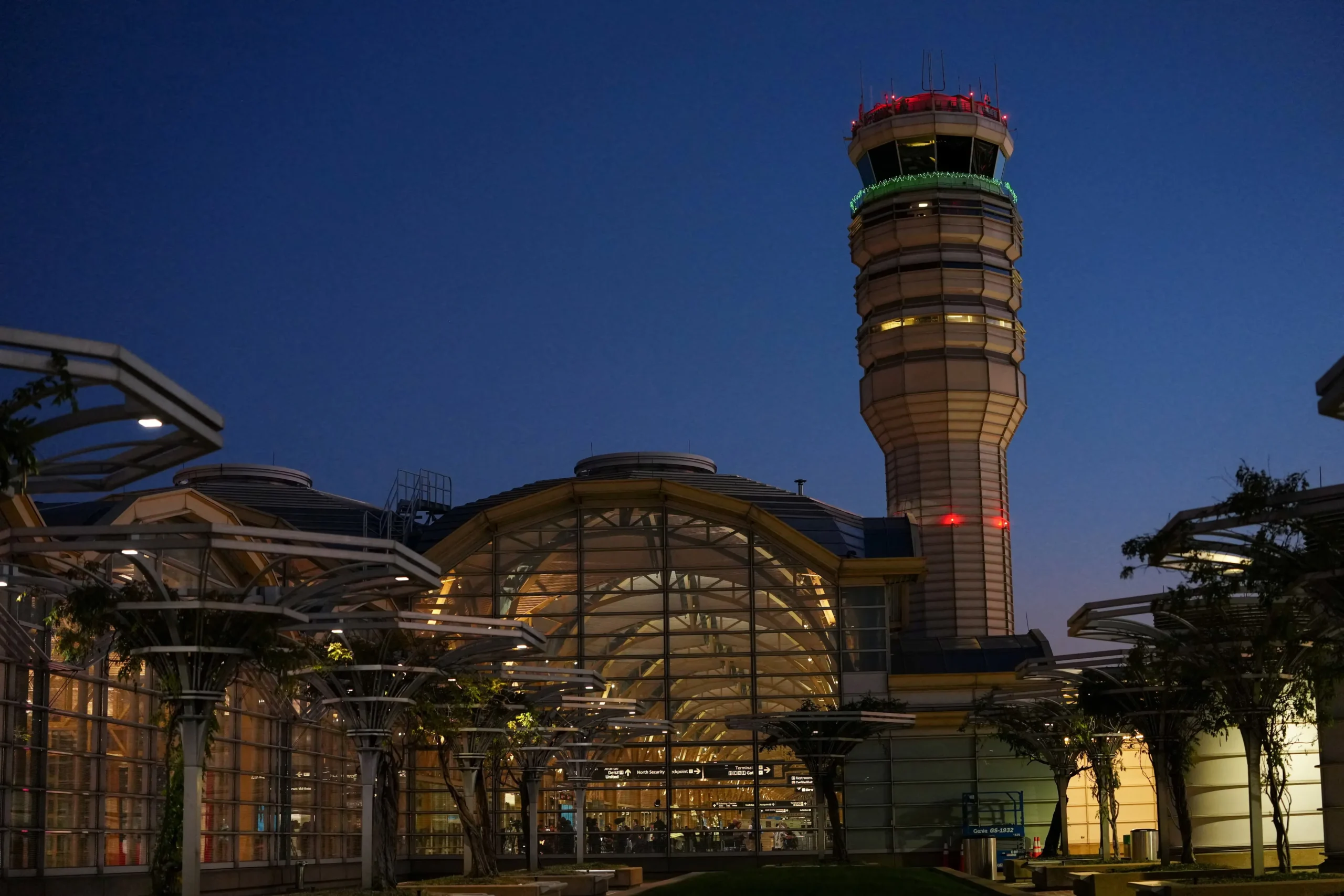
Earlier problems had already affected everyday services. Microsoft experienced a major outage involving workplace products such as Outlook and Teams. The FAA also ordered a nationwide ground stop after communication problems affected air traffic operations. JPMorgan Chase reported transaction difficulties linked to a software bug, while United Airlines experienced a separate technical issue that delayed departing flights.
The different incidents have caused concern among lawmakers and members of the public. Senator Josh Hawley questioned whether the events could reasonably be treated as unrelated coincidences. Other officials have asked for more information about the causes and the steps being taken to prevent similar problems.
The administration has said that investigators have found no evidence of a coordinated attack. Technology companies and government agencies have also described separate technical explanations for their disruptions. However, the number of failures in a short period has increased public interest in the security and stability of essential digital services.
The incidents have also raised questions about ageing computer systems. Many large organisations rely on technology that has been developed and updated over several decades. Replacing such systems can be expensive and complex. At the same time, regular software updates are necessary to address security weaknesses and maintain performance.
Experts warn that organisations must balance the need to install security updates with the risk of disrupting systems that are already in use. Careful testing, backup networks and clear emergency plans can help reduce the effects of unexpected failures. Businesses and public agencies also need to explain problems quickly so that customers and citizens receive accurate information.
The latest disruption has increased pressure on officials to provide a clearer account of what happened. The investigation will need to establish whether the incidents were entirely separate and whether weaknesses in older infrastructure contributed to them. For now, the government maintains that there is no confirmed evidence of a wider cyberattack.
The events show how dependent modern society has become on digital systems. Reliable technology is essential for banking, air travel, communication and national security. Improving that reliability will require continued investment, stronger maintenance and better planning across both the public and private sectors.
