


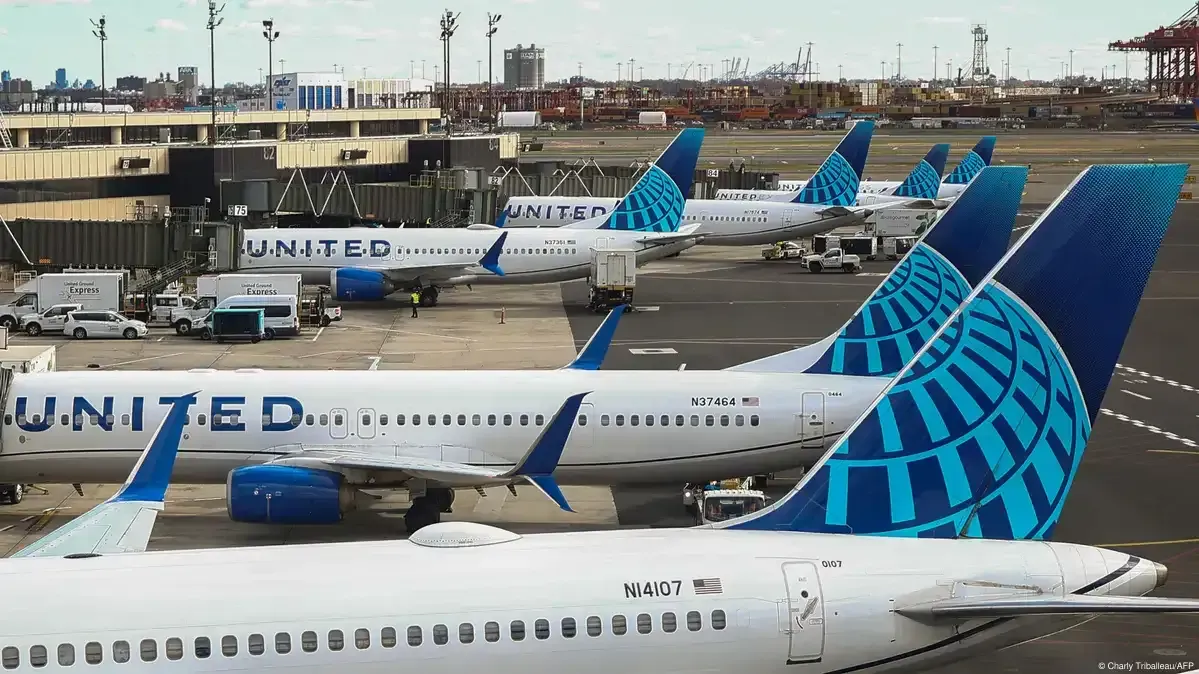
United Airlines faced a major operational problem after a technical outage disrupted hundreds of flights and created fresh difficulties for passengers travelling across the United States. The disruption affected departure operations and added pressure to an aviation network that was already recovering from a separate nationwide ground stop. The airline said the system problem had been resolved, but the incident caused delays for travellers and required changes to flight schedules.
The outage highlighted how strongly modern airline operations depend on digital systems. Airlines use computer networks to manage flight information, coordinate aircraft movements and support communication between different teams. When a key system stops working, the effects can spread quickly. Flights may be delayed even when aircraft and crews are available because airlines need reliable information to manage departures safely.
The disruption came at a difficult time for the American aviation industry. A nationwide ground stop on Friday had already caused widespread problems for airlines and passengers. The effects continued as carriers worked to restore normal schedules and move aircraft and crews back into position. The United Airlines outage created another challenge for travellers who were already dealing with changes to their journeys.
Passengers affected by technical problems may face missed connections, longer waiting times and changes to their travel plans. Airlines may also need to arrange alternative flights and provide assistance to customers. Even a short outage can create problems when it affects a large number of departures during busy travel periods.
The incident also raised wider questions about the resilience of airline technology. Airlines operate complex systems that must work together across airports, aircraft and customer services. They need backup plans that allow staff to continue essential work when digital tools fail. Strong testing and regular system maintenance are important because technical problems can affect both the customer experience and the safe operation of flights.
The airline’s response and the speed at which normal services return will be important for restoring passenger confidence. Customers want clear information about delays and realistic updates about departure times. They also expect airlines to provide support when disruptions affect their plans. Communication becomes especially important when several problems occur within a short period.
The latest incident shows that technology failures can have a major effect on the travel industry. Airlines have invested heavily in digital systems to improve efficiency, but they must also ensure those systems remain reliable. The aviation sector will need to examine the causes of such outages and strengthen its ability to respond.
For passengers, the main lesson is to check flight information regularly during periods of disruption. Airlines may restore their systems before every delayed flight has returned to its original schedule. The wider recovery may take longer because aircraft and crews must be moved back into the correct positions.
