


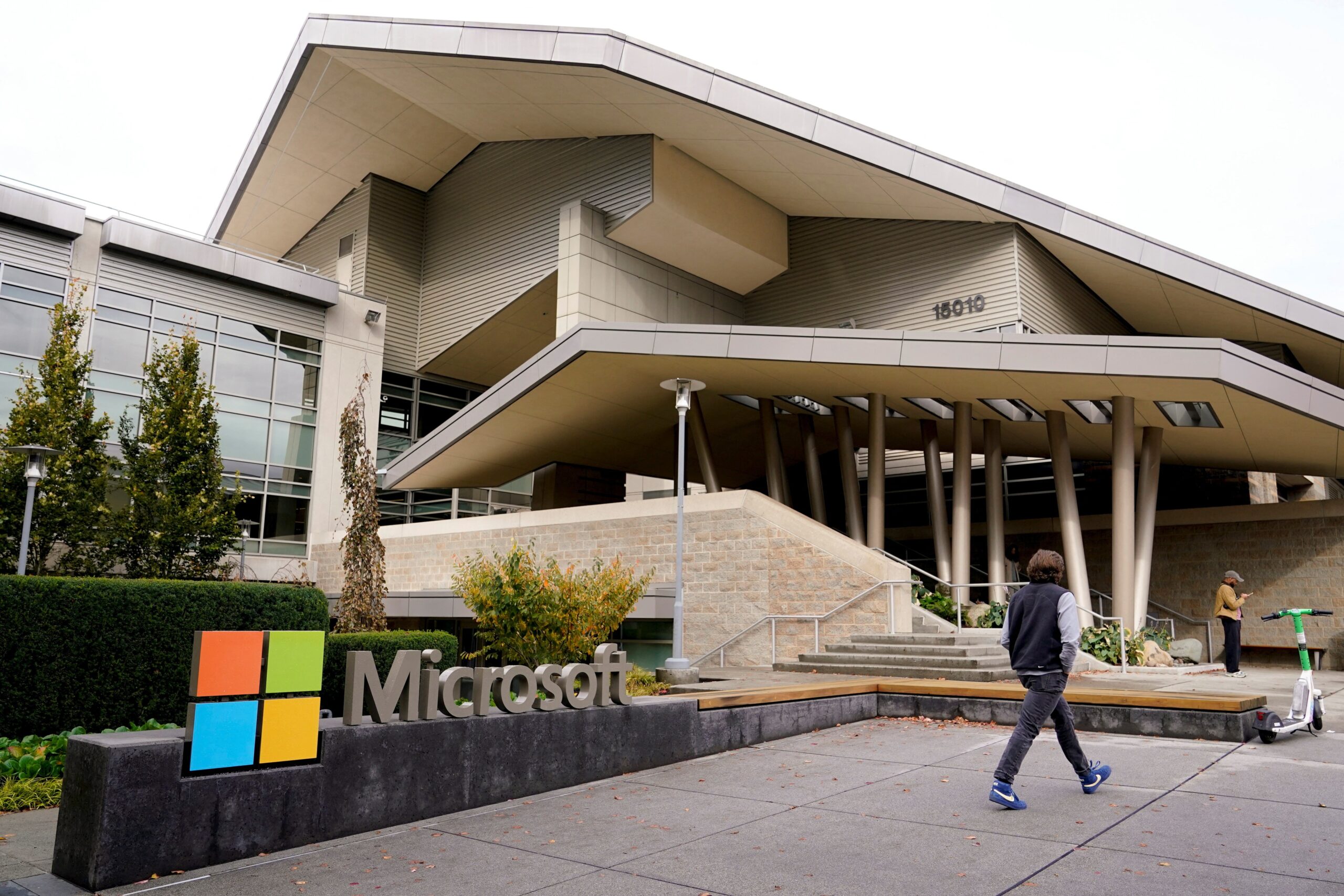
Microsoft has announced a new voluntary buyout plan for about 60,000 employees around the world. The technology giant wants to control costs as it spends huge sums on artificial intelligence. The offer could affect more than one-quarter of its global workforce.
The plan gives eligible workers a choice to leave the company with support. It covers staff in several major parts of the business, including Windows, Xbox, finance and human resources. Employees working on AI tools and Copilot may also qualify.
A source familiar with the matter said the offer would be open to selected teams in Canada, India, the United Kingdom and the United States. The program will cover employees at level 70 and below. The source asked not to be named because the details were private.
Microsoft Chief People Officer Amy Coleman explained the goal in a staff memo. She said the offer gives workers who are thinking about leaving a chance to make that move with support. It also gives teams another way to adjust their staff numbers as business needs change.
The company said the program is voluntary and will only be available for a limited time. Eligible employees will receive details about the offer. Microsoft also said the plan builds on lessons from an earlier voluntary retirement program.
The move comes as Microsoft and other major technology firms increase spending on AI. These companies are building data centers and buying advanced chips to support new services. The projects require large sums of money, raising questions about when the investments will produce enough returns.
Microsoft has forecast capital spending of $175 billion for the 2026 calendar year. Much of the wider technology industry is racing to build the computing power needed for AI services. The spending push has drawn close attention from investors, who want to know whether the costs will lead to lasting growth.
Microsoft reported 223,000 full-time employees worldwide as of June 30, 2026, according to its annual filing. A buyout offer covering 60,000 workers would therefore reach more than a quarter of that total workforce. However, not every employee will be eligible to take part.
Some business units will not be included in the plan. The source said marketing, commercial business and security teams would be excluded. Other groups, including AI experiences, Copilot, finance, human resources, Xbox and Windows + Devices, are among those expected to have eligible workers.
The announcement follows other efforts by Microsoft to reshape its workforce. Earlier in 2026, the company offered voluntary buyouts to about 9,000 employees, equal to around 7% of its US workforce.
In July, Microsoft also announced plans to cut 4,800 jobs worldwide. The changes were linked to a wider overhaul of its Xbox gaming business. The company planned to sell or close as many as five game studios as it worked to improve returns from years of major investment in gaming.
The latest buyout offer suggests Microsoft is still reviewing its workforce as its business priorities shift. Rather than relying only on direct job cuts, the company is offering eligible workers a chance to leave by choice. The approach may also help reduce costs while limiting the need for wider layoffs.
Microsoft shares rose about 1% on Monday, after gaining around 10% earlier in the year. Investors are watching how the company balances its AI spending with its need to protect profits and maintain growth.
The company is due to report its first-quarter results after markets close on Wednesday. Those results may offer more details about its business performance and spending plans. Investors will likely pay close attention to its AI investments and the costs linked to building new technology systems.
The buyout plan marks another major step in Microsoft’s effort to adjust its workforce during a period of rapid change. As AI becomes a larger part of its business, the company faces pressure to invest for future growth while keeping spending under control.
The program remains voluntary and applies only to eligible employees in participating teams and countries. Its final impact will depend on how many workers choose to accept the offer.
