


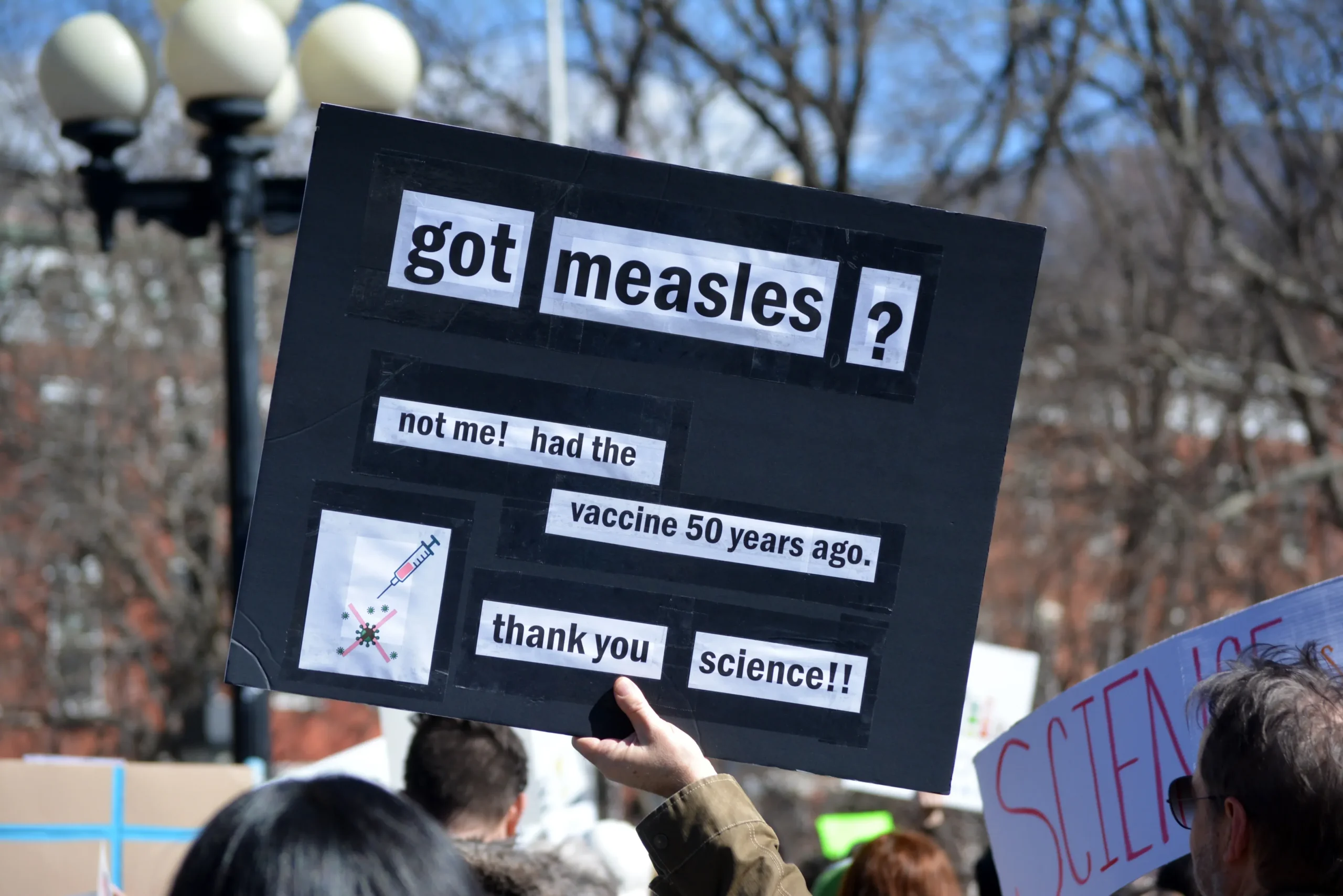
The United States is facing renewed concern over measles after losing its measles-free status, bringing attention to the spread of a disease that had once been considered under control. The development has raised questions about vaccination coverage, public health planning and the government’s response to outbreaks. Health officials now face the challenge of limiting further transmission and rebuilding public confidence in vaccination.
Measles is a highly contagious viral disease. It can spread through the air when an infected person coughs or sneezes. People who have not received protection through vaccination are especially vulnerable. Symptoms can include fever, cough, a runny nose and a rash. Some cases can lead to serious complications, particularly among young children and people with weakened immune systems.
The loss of elimination status reflects concerns about continued transmission. A country is generally considered to have eliminated measles when it can prevent sustained local spread for a specified period. When outbreaks continue for too long, that status can be lost. This does not mean the disease has spread to every part of the country, but it does show that public health efforts have faced serious challenges.
Vaccination remains the main tool for preventing measles. The measles, mumps and rubella vaccine provides strong protection and helps reduce the spread of infection within communities. Health experts say high vaccination rates are important because they protect people who cannot receive certain vaccines for medical reasons.
Health and Human Services Secretary Robert F. Kennedy Jr. has said the administration will work to regain the country’s elimination status. He has also continued to recommend the MMR vaccine as the most effective way to prevent measles. The statement comes amid wider debate about vaccine policy and public confidence in federal health guidance.
Public health officials must now focus on identifying outbreaks, improving access to vaccination and providing clear information to families. Schools and healthcare providers can play an important role by checking vaccination records and helping people understand the risks of infection. Early detection can also reduce the chance that outbreaks will spread to new communities.
The situation has implications beyond the immediate health risks. Outbreaks can place pressure on hospitals, public health departments and local healthcare workers. Families may also face disruption when schools or childcare services respond to infections. Preventing further spread is therefore important for both individual health and wider community stability.
The latest development is a reminder that diseases once brought under control can return when vaccination coverage falls or gaps in public health systems emerge. Rebuilding protection will require cooperation between government agencies, medical professionals and communities. The success of those efforts will depend on access to vaccines and public trust in reliable health information.
