


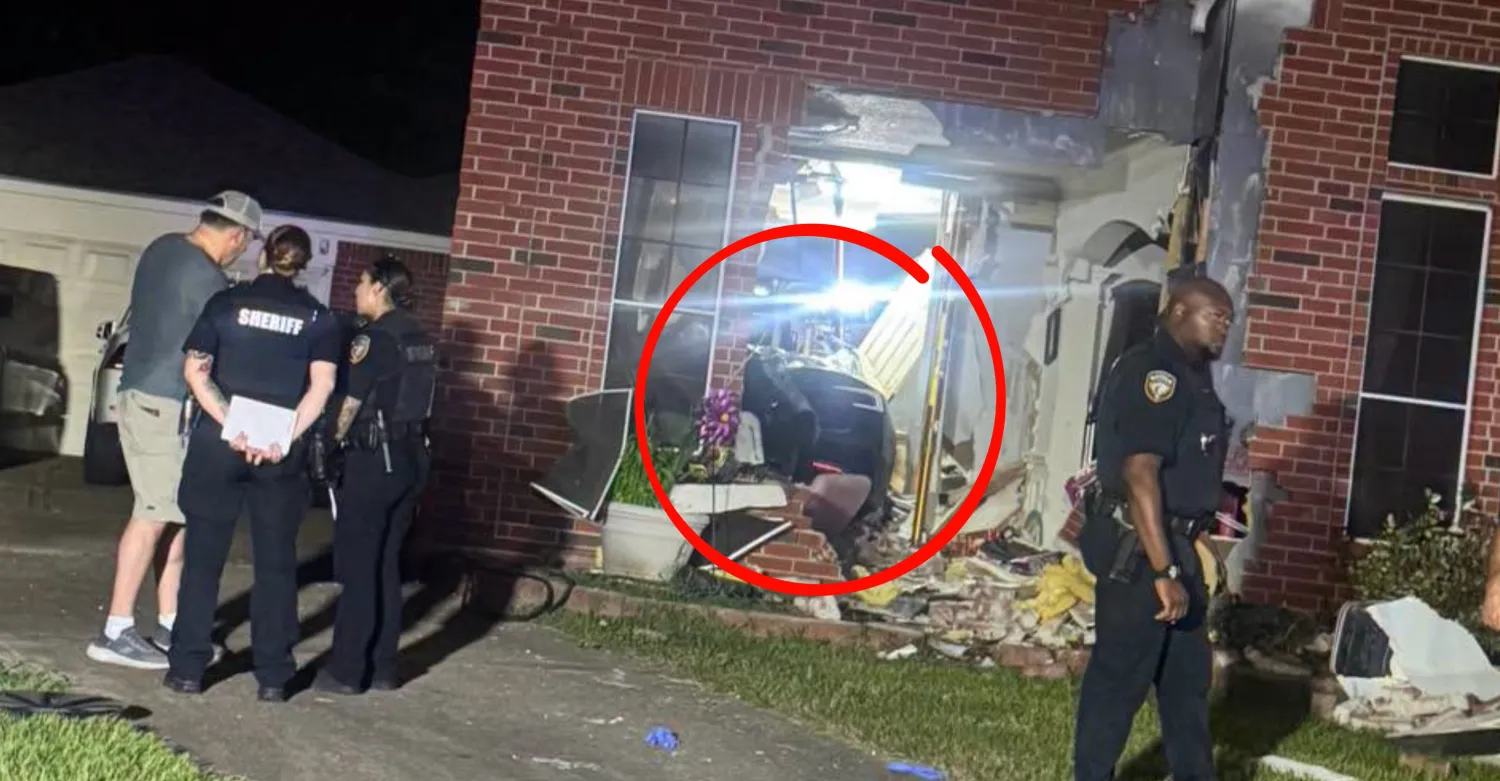
The United States government has launched a second federal investigation into a fatal Tesla crash in Texas that killed a 76-year-old woman after a vehicle reportedly using driver-assistance technology slammed into her home.
The Tesla Crash Investigation began to widen after the National Transportation Safety Board (NTSB) announced it would examine the June 19 crash in Katy, Texas. The move came just days after the National Highway Traffic Safety Administration (NHTSA) opened its own investigation into the incident.
The crash resulted in the death of Martha Avila, a resident of the Houston suburb. According to authorities, a Tesla Model 3 left the roadway and crashed through the front wall of her home. Avila later died from her injuries at a nearby hospital.
The incident has drawn national attention because the driver reportedly told law enforcement officers that a driver-assistance system was engaged before the collision occurred.
The Tesla Crash Investigation now involves both of the nation’s leading transportation safety agencies. Federal officials are expected to examine the circumstances surrounding the crash, the actions of the driver, and the role of Tesla’s technology.
At the same time, Avila’s family has filed a civil lawsuit seeking damages from Tesla and the driver involved in the crash. The complaint alleges that Tesla’s Autopilot and Full Self-Driving systems were defective and failed to provide adequate warnings regarding their limitations.
Family members said the driver, Michael Butler, allegedly informed investigators that he had activated Autopilot before the vehicle crashed into the house. The lawsuit claims the impact pinned Avila inside her home and caused fatal injuries.
The legal filing seeks more than $1 million in damages, along with additional punitive damages. Attorneys for the family argue that Tesla acted with reckless disregard for public safety by allegedly failing to address known risks associated with its driver-assistance technology.
The Harris County Sheriff’s Office confirmed that the driver reported using a driver-assistance feature at the time of the crash. However, investigators have not yet released final conclusions regarding the cause of the incident.
Tesla and its chief executive, Elon Musk, did not immediately respond to requests for comment following the lawsuit and the announcement of the federal investigations.
Musk publicly commented on the incident through social media. He argued that Full Self-Driving technology is designed to operate cautiously on neighborhood streets and suggested the crash involved excessive speed.
Tesla executive Ashok Elluswamy also stated that vehicle data indicated the driver allegedly pressed the accelerator pedal fully, overriding the self-driving system before the collision.
The Tesla Crash Investigation is the latest in a series of federal reviews involving the company’s advanced driving systems. Since 2016, the NHTSA has opened dozens of special investigations into crashes involving Tesla vehicles where driver-assistance technology may have been active.
According to federal records, nearly 50 such investigations have been launched over the past several years. Those incidents have been linked to multiple fatalities and serious injuries.
In March, regulators expanded a separate investigation covering approximately 3.2 million Tesla vehicles equipped with Full Self-Driving technology. Officials expressed concerns that the system may not always respond effectively in poor visibility conditions.
Tesla has maintained that both Autopilot and Full Self-Driving are driver-assistance systems rather than fully autonomous technologies. The company states that drivers must remain attentive at all times and keep their hands ready to control the vehicle.
The automaker previously recalled about 2 million vehicles in the United States to improve safeguards intended to ensure driver attention while using Autopilot.
The Texas crash has renewed debate over the safety and limitations of advanced driver-assistance technology. Safety advocates argue that clearer warnings and stronger safeguards may be needed as these systems become more common on public roads.
Federal investigators are expected to review vehicle data, driver actions, and system performance as part of the ongoing Tesla Crash Investigation. Their findings could influence future regulations governing driver-assistance technology and help determine whether additional safety measures are necessary.
As the investigations and lawsuit move forward, questions remain about the role of vehicle automation systems and the responsibilities of both drivers and manufacturers in preventing similar tragedies.
