


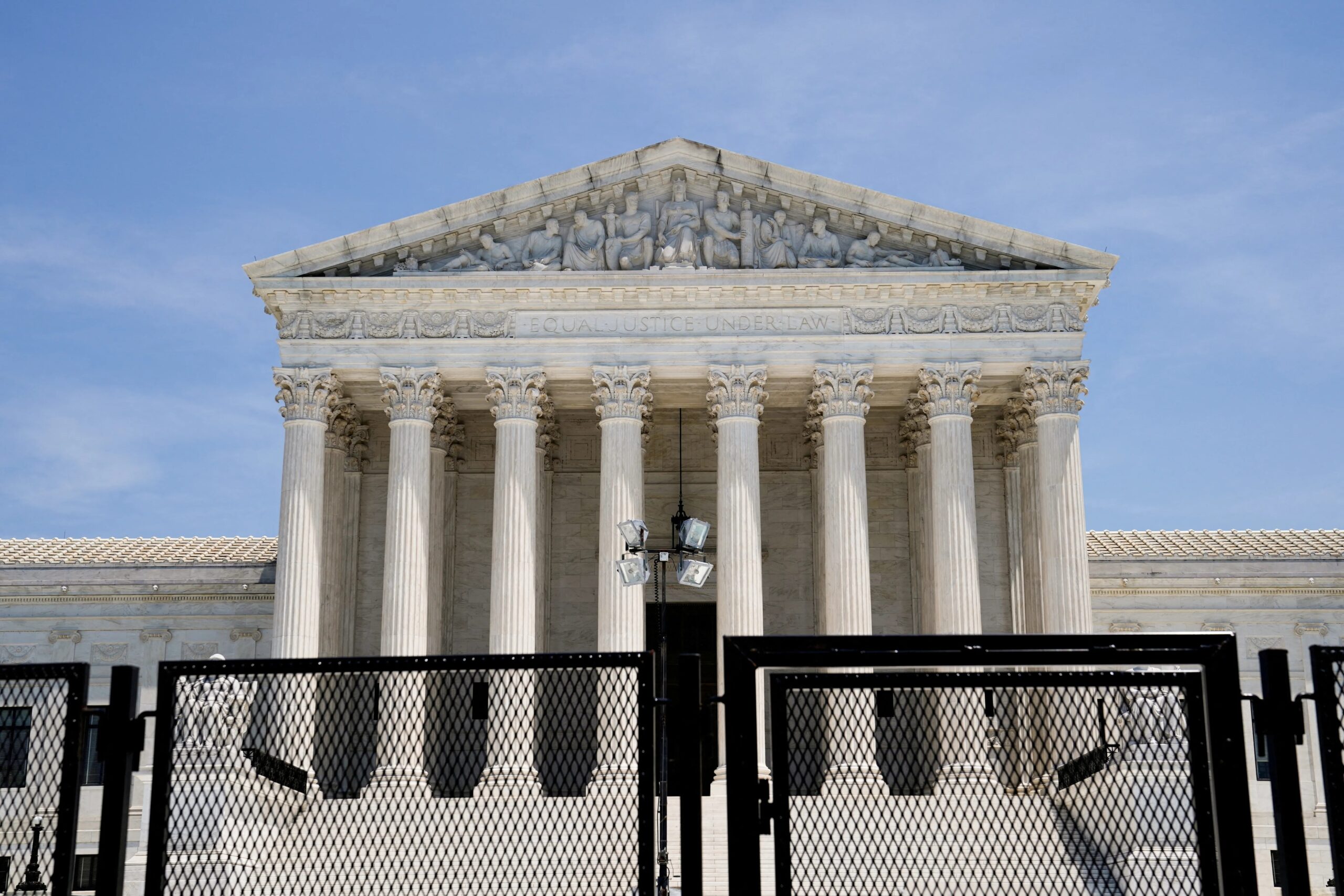
The U.S. Supreme Court handed Democrats a major legal victory on Thursday by blocking a Republican-backed congressional map in Missouri that was expected to improve the party’s chances of gaining an additional House seat.
The decision ended a dramatic week of legal battles and left Missouri election officials scrambling once again to adjust plans for the November election. By stepping into the dispute, the nation’s highest court effectively restored the congressional district map that has been in place since 2022.
The ruling came after opponents of the new map filed an emergency appeal. The Supreme Court granted the request without recording any public dissent from the justices.
The case has become one of the most closely watched redistricting disputes of the election cycle. At stake was control of congressional boundaries that could influence the balance of power in the U.S. House of Representatives.
Missouri Republicans supported a revised map that many analysts believed would strengthen GOP candidates in key districts. Democrats and voting rights advocates challenged the plan, arguing that it should not be used in the upcoming general election.
The legal fight intensified after Missouri held its primary elections using the newly drawn districts. Candidates campaigned, raised money, and won nominations under those boundaries. That created new complications when courts later questioned whether the map should remain in place.
Earlier in the week, U.S. District Judge Stephen Clark ruled that election officials should use the newer congressional map in November. His decision effectively overrode an earlier order from the Missouri Supreme Court that directed officials to return to the previous district lines.
The conflicting rulings placed election administrators in a difficult position. Local officials were forced to prepare for multiple possible outcomes while facing important ballot production deadlines.
Thursday’s Supreme Court order changed the situation once again. The ruling blocked Clark’s decision and restored the Missouri Supreme Court’s directive requiring use of the existing congressional map.
The outcome represents a significant win for Democrats, who spent months fighting the Republican-led redistricting effort in court. Several lawsuits were filed throughout the dispute as both sides argued over the legality of the congressional boundaries.
Republican officials warned that abandoning the new map could create confusion among voters and election workers. Missouri Secretary of State Denny Hoskins said repeated changes threatened to disrupt election preparations at a critical stage.
Supporters of the GOP-backed districts also pointed to candidates who had already competed in primary elections under the revised map. They argued that switching district lines after the primaries could create uncertainty for campaigns and voters alike.
Despite those concerns, the Supreme Court allowed the Missouri Supreme Court’s order to stand.
The decision arrived just before a hearing involving Hoskins and his compliance with state court instructions. Missouri’s highest court was considering whether he should be held in contempt for failing to follow its earlier order regarding district boundaries.
During the hearing, several judges questioned actions taken by the secretary of state after the federal court ruling. Members of the court expressed frustration and sought clear answers about whether election officials would now follow the state court’s directive.
Attorneys representing Hoskins argued that he had been caught between competing court orders. They said the secretary faced a difficult situation while trying to comply with both state and federal rulings.
Judges remained skeptical and repeatedly asked whether any uncertainty still existed after the Supreme Court intervened.
Following the hearing, Hoskins released a statement confirming that local election authorities would use the 2022 congressional map for the November election.
That announcement helped provide clarity for election offices across Missouri as ballot preparation continues ahead of voting.
Later in the day, Chief Justice W. Brent Powell ruled that Hoskins had previously acted in contempt of court. However, the court concluded that his decision to follow the Missouri Supreme Court’s order had corrected the issue.
Redistricting opponents welcomed the outcome and said the legal fight had effectively reached its conclusion. Supporters of the challenge argued that the Supreme Court’s action settled the dispute and removed uncertainty about which congressional map voters will see on Election Day.
With the ruling now in place, Missouri will move forward using its existing district boundaries, closing a lengthy political and legal battle that carried major consequences for both Republicans and Democrats.
