


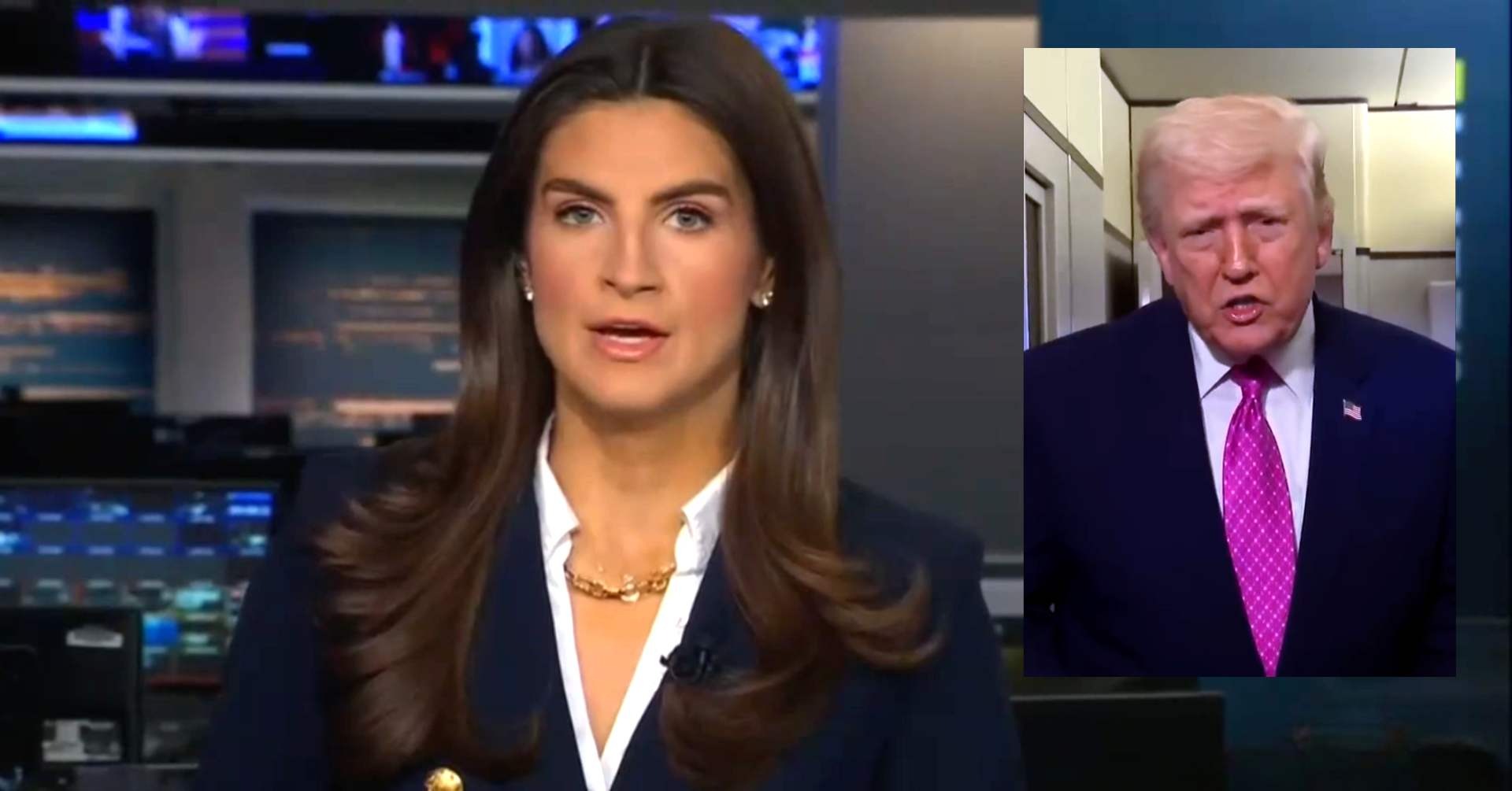
CNN anchor Kaitlan Collins has questioned President Donald Trump’s decision to cancel two campaign rallies just days before the US midterm elections. The move marks a change in his recent campaign strategy, which has included frequent public appearances across the country.
Trump canceled planned rallies in Kansas and Iowa on Thursday, October 29. The Kansas event had been scheduled for Saturday, while the Iowa rally was set for Sunday. Instead, the president plans to take part in virtual campaign events before voters head to the polls on November 3.
The cancellations came after a busy month on the campaign trail. Trump held numerous rallies in October, including two events in Texas on Tuesday. During these appearances, he sought to promote his record and appeal to voters concerned about the rising cost of living and the economic effects of the war with Iran.
Speaking with Anderson Cooper on CNN’s 360°, Collins described the decision as unusual. She noted that Trump often takes pride in the number of rallies he holds and the time he spends traveling to meet voters.
Collins said Trump had held around 25 rallies during October. She also pointed out that his final planned in-person campaign event was scheduled for Friday in Daytona Beach, Florida.
That appearance would mark the end of his public rallies before Election Day, leaving the campaign to rely on remote events during the final stretch.
The timing has raised questions because the midterm elections could have a major effect on the remainder of Trump’s presidency. The results will determine which party controls Congress and may influence the administration’s ability to pass legislation during its final two years.
Collins compared Trump’s current campaign schedule with his approach during the 2018 midterm elections. At that time, she said, he continued holding rallies at a rapid pace right up to Election Day.
Trump sometimes appeared at two or three events in a single day during the final days of the 2018 campaign. Collins said the difference between that campaign and the current one was striking, given the importance of the upcoming vote.
The White House has defended the decision to replace some in-person appearances with telephone-based events. A White House official said Trump would participate in more than 20 virtual campaign rallies before Election Day.
According to the official, these events would allow the president to discuss his achievements and connect with voters across the country. The format could also help him reach several groups in different states without spending hours traveling between locations.
Collins acknowledged that telephone rallies offer greater flexibility. Trump can join several events in one evening, allowing his campaign to communicate with voters in multiple areas within a short period.
However, she stressed that these events are not the same as traditional rallies. In-person appearances draw crowds to large venues, where supporters may wait in long lines for a chance to see the president and hear him speak.
Trump’s live rallies often last around 90 minutes or longer. His telephone events, by contrast, generally last between 10 and 15 minutes. During these calls, he usually speaks over the phone and follows prepared remarks.
Collins also reported that some Republican officials had welcomed the decision to end the in-person rallies. During a later appearance on CNN’s The Source, she described reactions from two senior party figures.
One official reportedly said the president had not improved the party’s position in the areas he visited. Another suggested that supporters who wanted to see Trump had already attended his events.
The reported comments suggest that some Republicans may be questioning whether the president’s appearances are helping candidates gain support. While his rallies can energize loyal voters, party officials may also be weighing their impact on undecided voters and closely contested races.
Trump’s campaign schedule has also drawn attention following a tense exchange with a reporter over his health.
On Thursday, Reuters journalist Jacob Bogage asked the president about his health after weeks of travel and public appearances. Trump responded angrily, saying he felt well and criticizing the reporter’s appearance.
Collins defended the journalist, describing the question as straightforward. She said Bogage had not suggested that Trump was ill and argued that asking about his health was reasonable given his age and demanding schedule.
She also noted that the exchange came as the reporter asked whether health concerns had played a role in the rally cancellations.
The White House had not provided a detailed public explanation for the change in the president’s campaign plans in the reports discussed on Thursday.
With Election Day approaching, Trump’s decision has created a notable shift in the final phase of the campaign. Whether virtual events will help Republicans reach more voters or deepen concerns about the party’s strategy remains uncertain.
