


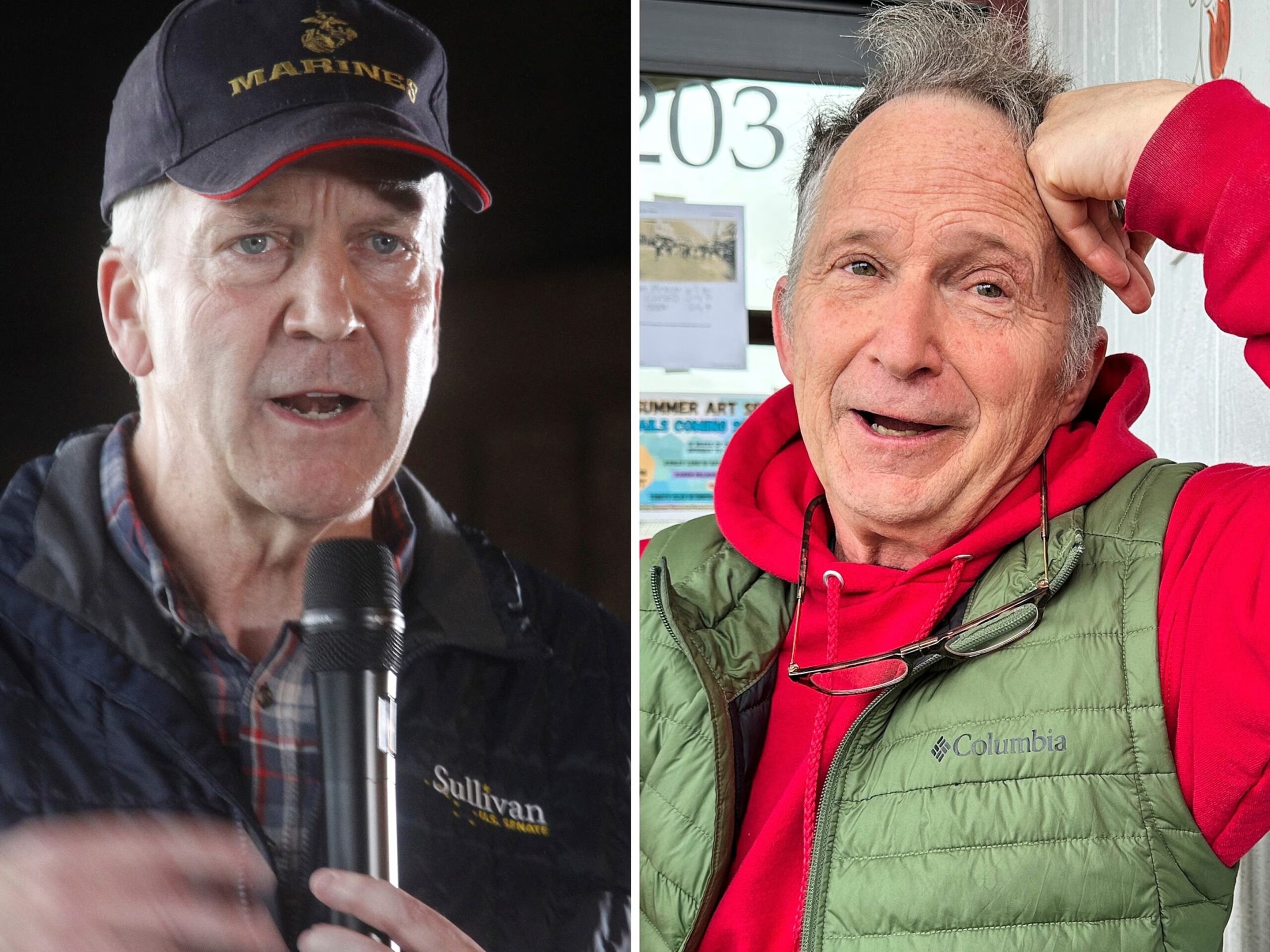
The US Department of Justice has reportedly issued subpoenas as part of an investigation into an alleged effort to confuse voters in Alaska’s closely watched Senate race. The inquiry focuses on claims that Democratic candidate Mary Peltola’s campaign worked with party operatives to recruit another candidate named Dan Sullivan, the same name as Republican Senator Dan Sullivan.
The reported subpoenas came on Thursday, October 29, just days before the midterm elections on November 3. ABC News and the Associated Press reported the development, citing sources familiar with the investigation.
The allegations gained fresh attention after a report published on Wednesday said Peltola’s campaign had led efforts to recruit the second candidate. Her campaign had denied involvement in the plan for months.
The reported strategy was allegedly intended to confuse voters who wanted to support the Republican incumbent. With the Senate contest potentially affecting control of the chamber, the claims have raised concerns about election conduct and the role of federal investigators in a highly sensitive political race.
Alaska Republican Governor Mike Dunleavy announced a separate criminal inquiry into the matter earlier on Thursday. His announcement followed the latest reporting about the alleged effort to place a second candidate with the same name on the ballot.
The federal investigation adds another layer to a dispute that has drawn attention from state and national political figures. However, the exact scope of the inquiry remains unclear, including who may be targeted by the subpoenas and what possible federal offenses investigators are examining.
The Department of Justice has not publicly established that Peltola or her campaign committed a crime. The allegations remain under investigation, and any legal conclusions will depend on the evidence and the laws that apply.
The case has also prompted questions about the timing of the federal action. The Justice Department has traditionally been cautious about taking visible investigative steps against political candidates in the weeks before an election. Such actions can raise concerns that law enforcement may influence voters or affect the outcome of a contest.
Justin Levitt, a former Justice Department official under President Joe Biden, questioned what federal law might support the investigation. He said he did not know which possible federal violations were involved or whether they fell within the department’s jurisdiction.
Levitt also raised concerns that the investigation itself could become a major political story. His comments reflect broader questions about the legal basis for the inquiry and whether the timing could affect public perceptions before voters cast their ballots.
President Donald Trump has already taken a strong interest in the Alaska race. Last week, he said he had directed the Justice Department to file a lawsuit seeking to block certification of the Senate election if Dan Sullivan does not win. The lawsuit is pending.
Earlier this week, Trump also called for Peltola and her campaign to face criminal prosecution over the alleged effort. Those demands have increased political pressure surrounding the investigation, even as key details about the evidence and potential charges remain unknown.
The Alaska inquiry is unfolding alongside a separate dispute over election administration in California. On Thursday, the Justice Department issued subpoenas to California officials as part of its scrutiny of the state’s election procedures.
A federal judge in California also appointed a special master to examine the Trump administration’s claims that about 20,000 noncitizens appeared on the state’s voter rolls. The decision came less than a day after the judge rejected a Justice Department request to set aside ballots until voters’ citizenship could be verified.
The department immediately appealed that ruling, adding to the growing legal conflict over election oversight and voter eligibility.
The California case and the Alaska investigation involve different allegations, but both highlight the Justice Department’s increased involvement in politically charged election disputes. Their timing has raised questions about how federal investigations and court proceedings may affect public confidence in the electoral process.
In Alaska, the stakes are particularly high because the Senate contest is among a small group of races expected to help determine control of the chamber. A change in party control could affect the administration’s ability to advance legislation and confirm nominees.
The reported subpoenas mark a significant development in the investigation, but many details remain unresolved. Authorities have not publicly clarified the full list of potential targets or explained which federal laws may have been violated.
As Election Day approaches, the central questions are whether investigators can establish evidence of illegal conduct and whether any findings will affect the legal process surrounding the Senate race. The pending lawsuit over certification adds another possible dispute after votes are counted.
For now, the allegations remain unproven. The investigation is likely to remain under close scrutiny as voters prepare to decide one of the country’s most consequential Senate contests.
