


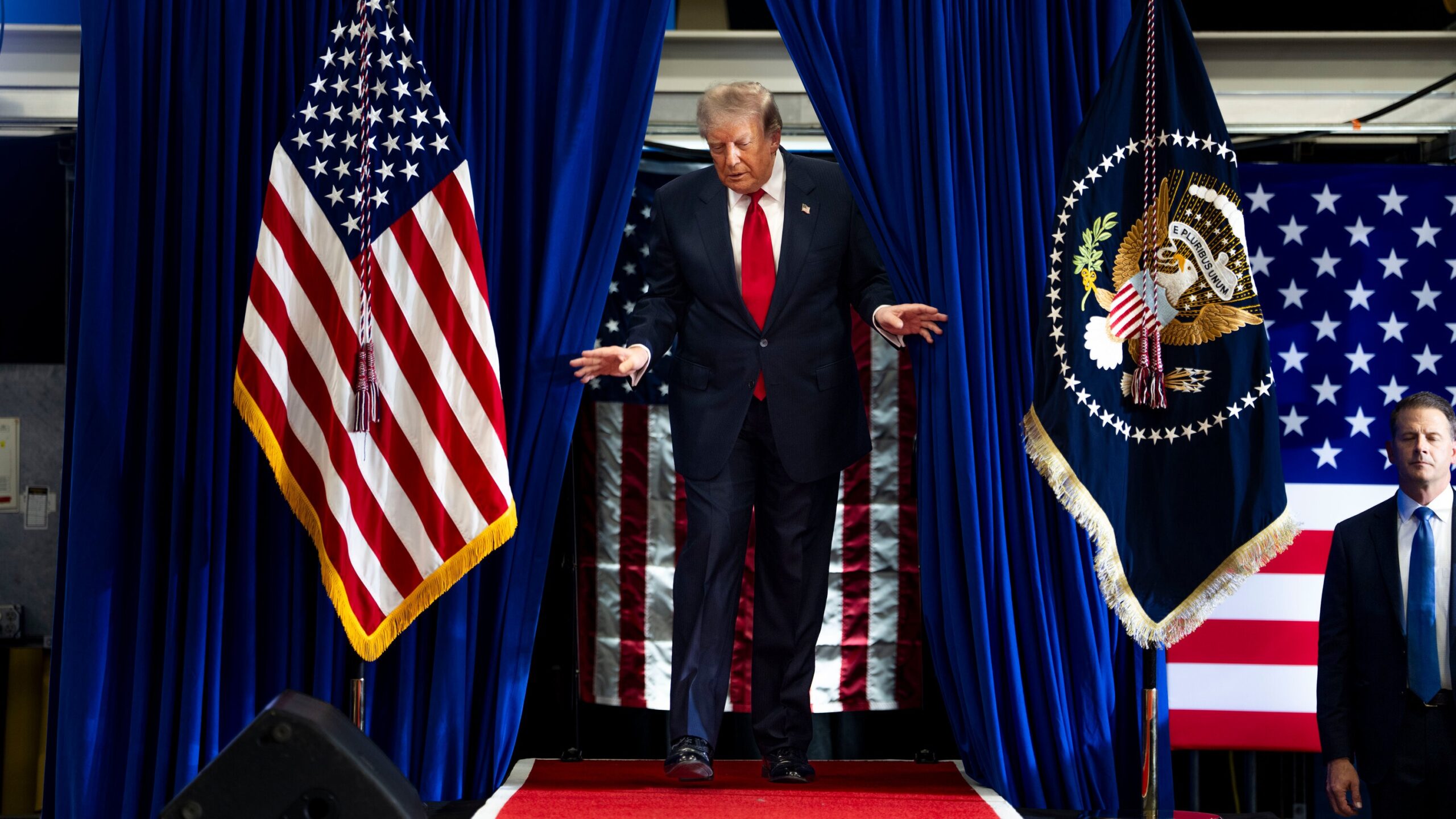
President Donald Trump signed a new Russia sanctions bill into law on Friday, marking a major step in the United States response to the war in Ukraine. The law allows the administration to impose new sanctions and tariffs on countries that continue to buy large amounts of Russian energy or help Moscow avoid existing restrictions.
The legislation received strong support in Congress. Lawmakers from both parties backed the measure, saying it could increase pressure on Russia as the conflict in Ukraine continues. Supporters believe the law will reduce the revenue Russia uses to support its military operations.
The bill was named in honor of late Senator Lindsey Graham of South Carolina. Senator Richard Blumenthal of Connecticut worked with Graham on the measure. Both lawmakers said the goal was to target key sources of income that help fund Russia’s war effort.
Under the new law, the president can place tariffs of up to 100 percent on the five largest buyers of Russian energy. The legislation also allows action against countries that help Russia bypass sanctions. Some provisions extend pressure on Iran by strengthening existing restrictions connected to energy and trade activities.
Ukrainian President Volodymyr Zelensky welcomed the move shortly after the signing. He thanked Trump and members of Congress for supporting what he described as an important piece of legislation.
In a public message, Zelensky said the law could play a significant role in increasing pressure on Russia. He also praised lawmakers who voted for the bill and said its full and quick implementation would be the best way to honor Graham’s legacy. Zelensky added that lasting peace remains the ultimate goal for Ukraine and its partners.
The measure passed both chambers of Congress with comfortable margins. Despite broad support, several lawmakers raised concerns about certain parts of the bill. Debate focused mainly on the authority it gives the president to impose tariffs.
House Minority Leader Hakeem Jeffries opposed the legislation. He argued that Americans are already facing economic challenges and warned that additional tariffs could create new costs for consumers and businesses. Jeffries said he could not support a bill that grants broad tariff powers to the president.
Supporters of the law responded that strong economic measures are needed to increase pressure on Russia. They argued that limiting energy revenue remains one of the most effective ways to influence Moscow’s actions. Backers also said the law provides tools that can be adjusted as conditions change.
Trump delayed signing the legislation for several months. During that period, he said he wanted to maintain flexibility in diplomatic talks with Russian President Vladimir Putin. The president argued that negotiations could still produce progress toward ending the conflict.
Efforts to find a diplomatic solution continued through the summer. In September, special envoys Steve Witkoff and Jared Kushner traveled to both Moscow and Kyiv. The visits were aimed at supporting discussions between key parties involved in the conflict.
Following those meetings, Witkoff expressed optimism about future negotiations. He said the United States believed trilateral discussions could lead to a positive outcome. A temporary ceasefire was announced during the diplomatic visits, raising hopes that talks might move forward.
Those hopes were later tested as fighting resumed. Reports indicated that Russian forces launched new attacks against targets in Kyiv and other major Ukrainian cities earlier this week. Ukrainian officials said more than 20 people were injured during the strikes.
The renewed violence highlighted the challenges facing peace efforts. While negotiations continue, both sides remain far apart on several major issues. The conflict has now entered another critical phase, with economic pressure and diplomatic engagement moving forward at the same time.
The new law is expected to become an important part of Washington’s strategy toward Russia. Supporters believe it will increase pressure on Moscow by targeting energy-related income and trade networks. Critics continue to watch closely for possible economic effects. As the war continues, the impact of the legislation will be closely monitored by governments, businesses, and international partners around the world.
