


Divisions within the Republican Party over the war with Iran are becoming more visible as the conflict continues and concerns grow about its political and economic impact ahead of the 2026 midterm elections.
Several Republican lawmakers have recently broken with party leadership on votes related to the conflict, signaling unease over a military campaign that has stretched on for months. The disagreements come as Democrats continue to challenge the administration’s handling of the war and argue that Congress should play a larger role in decisions involving military action.
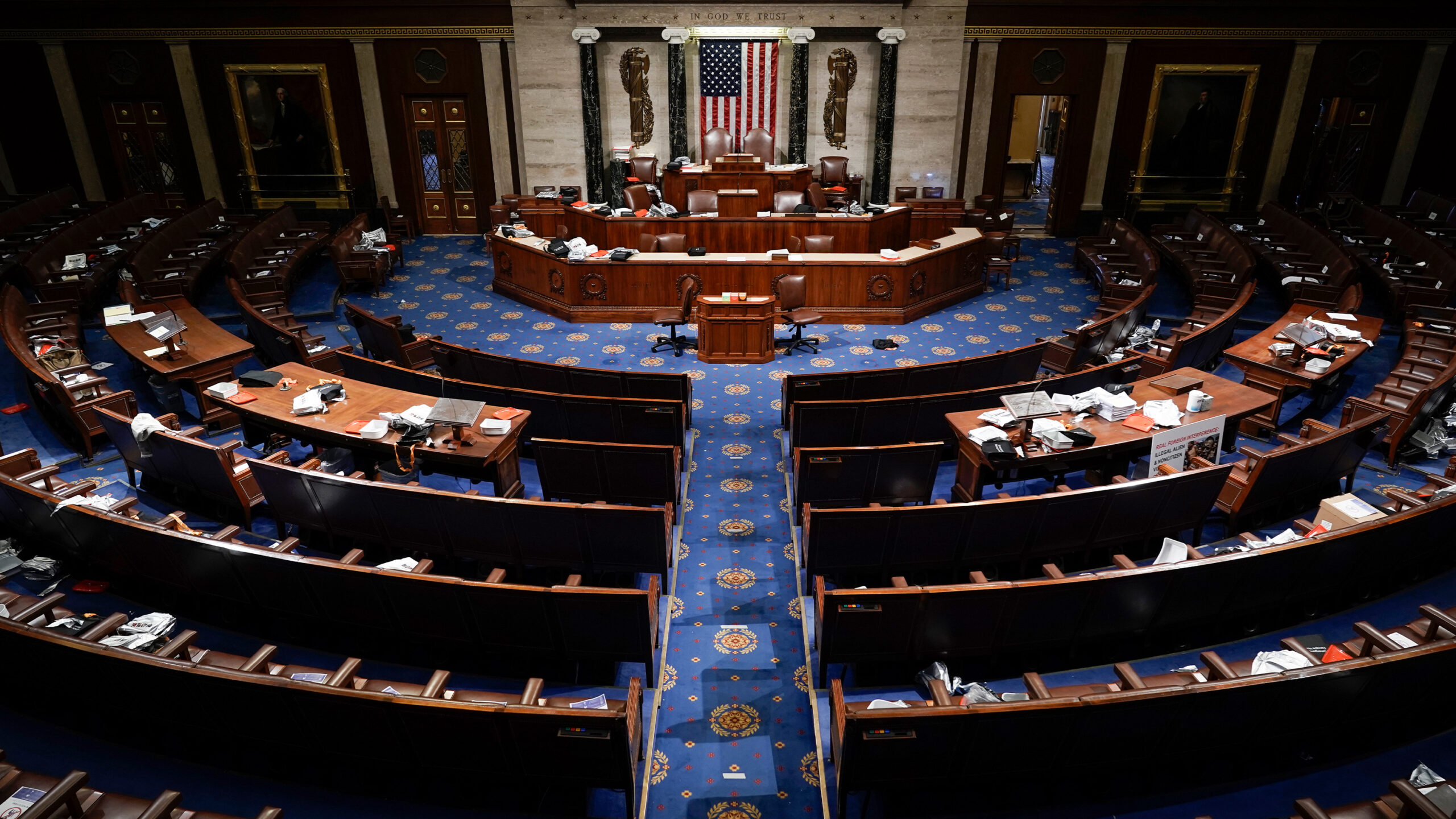
The latest sign of Republican unrest came when the House of Representatives approved another war powers resolution intended to require President Donald Trump to withdraw U.S. forces from the conflict. Three Republicans who had not supported earlier efforts joined the measure, helping it pass the House.
Among them was Representative Mariannette Miller-Meeks of Iowa. She said she had warned earlier in the year that the mission should remain limited and focused. Miller-Meeks argued that Americans do not want another long military conflict and said she would not support an open-ended war.
Representative Zach Nunn of Iowa also backed the resolution. Nunn pointed to the human cost of the conflict and noted that two Iowa service members were among the U.S. troops killed during Iranian attacks at the start of the war.
Nunn said Congress has a responsibility to provide clear objectives and constitutional oversight when military operations continue beyond their initial scope. Drawing on his military experience, he added that he does not support another prolonged conflict in the Middle East.
Representative Nancy Mace of South Carolina also joined the latest effort, expanding the number of Republicans supporting war powers measures related to Iran.
While the votes highlight growing concern inside the Republican Party, their practical impact remains limited. President Trump has already declined to follow an earlier war powers resolution that passed both the House and Senate. As a result, the conflict has continued despite congressional objections.
Another sign of Republican frustration emerged when former Representative Thomas Massie called for the impeachment of Defense Secretary Pete Hegseth. Massie argued that the administration had exceeded constitutional limits by continuing military operations without formal congressional authorization.
The proposal has uncertain prospects, but it added to the debate over how the war is being conducted and whether Congress should have a greater role in approving military action.
Democrats have repeatedly used war powers resolutions to force votes on the conflict. Party leaders believe the issue places pressure on Republicans, especially in competitive districts where voters are concerned about military involvement overseas and the economic effects of the war.
Public opinion surveys have indicated that support for the conflict remains limited among many voters. Rising fuel prices and broader economic concerns have also increased scrutiny of the administration’s strategy.
The political pressure is especially strong in Iowa. Miller-Meeks and Nunn are considered among the most vulnerable Republican incumbents heading into the November midterm elections. Both represent districts where election margins have been narrow and where economic concerns play a major role in voter decisions.
Farmers in Iowa have faced higher costs for diesel fuel, gasoline and fertilizer. Many of those increases have been linked to market disruptions caused by the conflict and broader international tensions. Additional trade policies have also added pressure to agricultural communities.
Democrats see Iowa as one of several states where changing political conditions could create new opportunities in 2026. Party strategists believe competitive congressional races, statewide contests and economic concerns could make the state a key battleground.
Republican leaders continue to defend the administration’s approach, arguing that military pressure on Iran is necessary to protect U.S. interests and regional stability. However, the growing number of Republican lawmakers willing to publicly question the conflict reflects a widening debate within the party.
As the war enters another phase, disagreements over military strategy, congressional authority and economic consequences are expected to remain central issues in Washington. The continued passage of war powers resolutions, even if largely symbolic, shows that concern about the conflict is no longer limited to one party.
With the midterm elections approaching, the Iran War Republicans debate is becoming an increasingly important political issue, shaping discussions about foreign policy, government authority and the costs of prolonged military engagement.
