


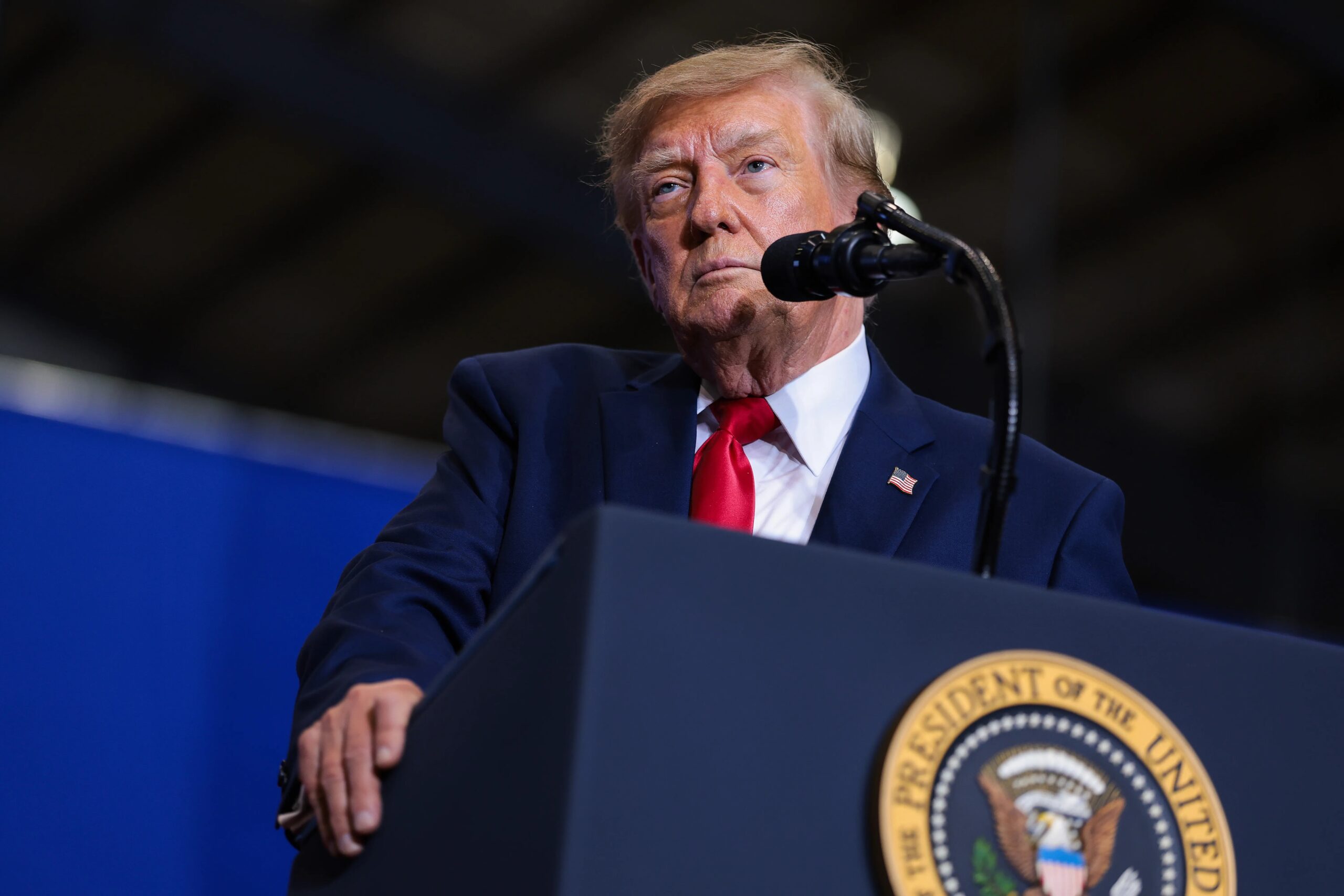
President Donald Trump is stepping up his campaign efforts as the November 3 midterm elections draw near. He held a rally in Daytona Beach, Florida, on Friday evening. He has also put planned campaign stops in Kansas and Iowa back on his schedule for Sunday.
With only days left before voting ends, Trump is working to increase Republican turnout. His main goal is to help his party keep control of Congress for the next two years. However, new election ratings and polls suggest that Republicans face a tough fight in several key races.
Democrats are gaining ground in their effort to win back the House of Representatives. An analysis of ratings from the Cook Political Report, Inside Elections and Sabato’s Crystal Ball points to better chances for Democrats. The combined outlook suggests the party could win enough seats to take control of the chamber.
Democrats are also improving their chances of gaining seats in the Senate. Recent polls show that some Republican candidates are facing close races in states that usually support the GOP. Kansas and Texas are among the states where Republicans are under pressure.
The latest trends have added urgency to Trump’s campaign schedule. His planned visits to Kansas and Iowa are aimed at helping Republican candidates and encouraging voters to support the party. The events had been in doubt but were back on the schedule for Sunday.
Trump’s campaign message has focused on the need for Republicans to vote. Strong turnout could help the party protect its seats, especially in states where Republican voters make up a large share of the electorate. Democrats, meanwhile, hope to benefit from close contests and growing support in key areas.
During his Friday rally in Florida, Trump also turned his attention to Alaska’s Senate race. He called for Democratic candidate Mary Peltola to be prosecuted and removed from the ballot. His comments followed claims that people linked to her campaign helped recruit a candidate with the same name as Republican Senator Dan Sullivan.
The Alaska race has become the center of a legal and political dispute. The ballot lists incumbent Senator Daniel S. Sullivan and retired teacher Daniel J. Sullivan. Critics claim that the retired teacher’s candidacy could confuse voters and affect the result.
The US Justice Department is investigating allegations that Democrats helped recruit the retired teacher. Federal officials have also asked a judge to stop Alaska from certifying the results if the incumbent senator loses by a narrow margin.
The case remains unresolved. The Democratic Senatorial Campaign Committee has denied involvement in the alleged effort. Daniel J. Sullivan has also denied coordinating with Peltola’s campaign. No decision has been announced on whether criminal charges will be filed.
The dispute has raised questions about election rules and the power of federal officials. Legal experts have argued that the US Constitution gives states the main role in running elections. This could make it harder for the federal government to control how Alaska handles its results.
The Alaska contest could matter beyond the state. If the Senate race is close, its outcome could affect which party controls the chamber. That makes the dispute important for both Republicans and Democrats as they work to secure enough seats.
The House battle is also a major focus in the final days of the campaign. Democrats need to gain enough seats to take control of the chamber. Recent ratings suggest their chances have improved, but the result will depend on turnout and votes across many districts.
Republicans face added pressure in Senate races where they had expected strong support. Polls showing close contests in Kansas and Texas have raised concerns about the party’s position. Losses in these states could make it harder for Republicans to keep their majority.
Trump’s return to the campaign trail shows how much is at stake for his party. He is using rallies to reach voters and support Republican candidates in states that could help shape the final result.
Both parties are now making their final push before Election Day. Republicans hope Trump’s visits will increase turnout and protect their control of Congress. Democrats see a chance to win the House and make gains in the Senate.
The November 3 results will set the balance of power in Congress for the next two years. They will also shape Trump’s ability to advance his plans and work with lawmakers during the rest of his term.
