


European troops arrive as security concerns mount
Military personnel from several European countries have begun arriving in Greenland, signaling a stronger NATO presence in the Arctic. France, Germany, Sweden and Norway are taking part in a reconnaissance and training mission in and around the capital, Nuuk. Officials say the deployment is aimed at improving coordination and preparedness in a region that is gaining strategic importance.
France has already sent an initial group of troops and plans to reinforce them with additional land, air and maritime assets in the coming days. Germany has also dispatched a small reconnaissance team at Denmark’s invitation. Greenland’s government has confirmed that NATO forces will be more visible, with increased military flights and ships expected as part of the exercises.
Washington unmoved by allied deployment
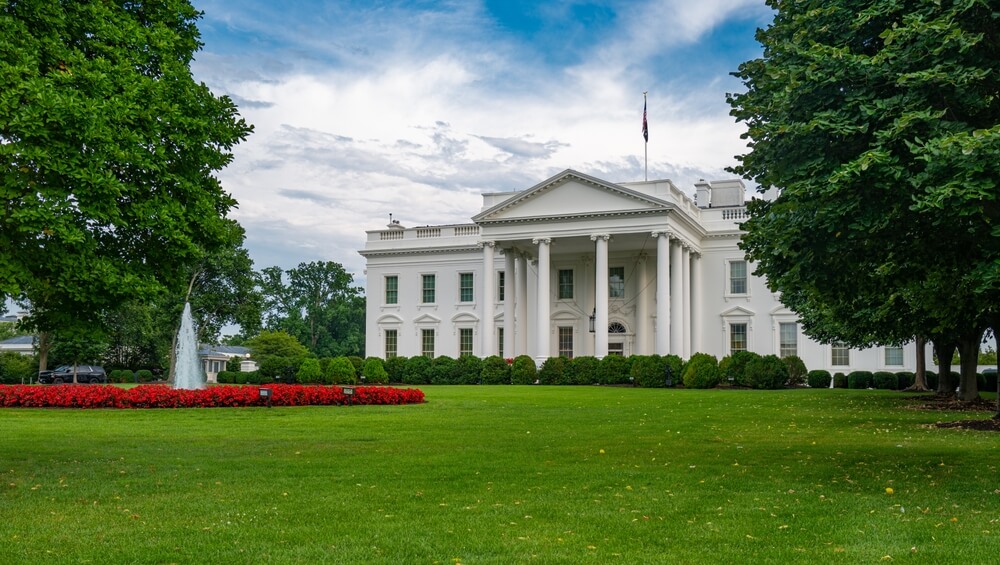
Despite the arrival of European forces, the White House said the deployments would not influence President Donald Trump’s long-stated ambition to take control of Greenland from Denmark. US officials insisted that troop movements by allies do not factor into the president’s decision-making or his broader objective regarding the island.
Those remarks came after talks in Washington between US, Danish and Greenlandic officials failed to ease tensions. Danish Foreign Minister Lars Løkke Rasmussen said the meetings exposed a “fundamental disagreement,” adding that a US takeover of Greenland was “absolutely not necessary.” He acknowledged that Denmark had not succeeded in shifting the American position, but said both sides had agreed to continue dialogue despite their differences.
Strategic stakes in the high north
The dispute highlights Greenland’s rising importance as Arctic competition intensifies. The island’s location, vast natural resources and proximity to key shipping routes have made it a focal point for global powers. European governments say their involvement is driven by concerns about long-term security and the need to deter potential threats from outside the region.
Trump has repeatedly argued that Greenland is vital to US security and has warned that Denmark would be unable to defend it alone in the event of pressure from rival powers. After the Washington meetings, he struck a more conciliatory tone, saying he had a good relationship with Denmark and believed “something will work out,” while still refusing to rule out any options.
For Denmark and Greenland, the priority remains maintaining sovereignty and managing security through cooperation with NATO allies rather than unilateral control by another country. As military exercises continue and diplomatic tensions simmer, Greenland has become a clear symbol of the shifting balance of power in the Arctic and the challenges facing long-standing alliances in a changing geopolitical landscape.
