


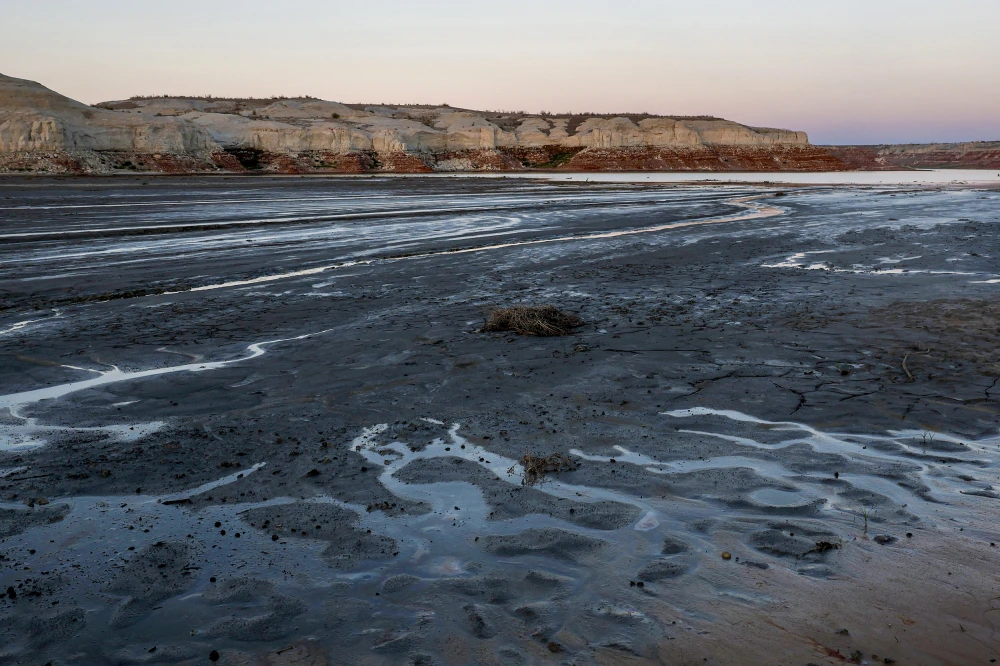
The U.S. government has proposed major Colorado River water cuts for Arizona, California and Nevada as drought conditions continue to affect the western United States. The new plan aims to manage water supplies from the river through 2036.
The proposal was released after seven western states failed to reach an agreement on how to share the river’s limited water supply. The states have spent more than three years negotiating a replacement plan for existing rules that expire this year.
The Colorado River provides water for millions of people across the western U.S. It supports homes, farms, energy production and local economies in seven states. The river also helps produce food and provides power through major reservoirs.
The seven states that depend on the river include Colorado, New Mexico, Utah, Wyoming, Arizona, California and Nevada. They are known as the Colorado River Basin states.
The U.S. Bureau of Reclamation stepped in after negotiations between the states did not produce a final agreement. The agency’s 10-year plan focuses on managing water levels at Lake Powell and Lake Mead, two major reservoirs that provide electricity and water supplies.
Officials said the plan is designed to create flexibility during changing weather conditions. The proposal would allow water managers to adjust operations as drought conditions and river flows change.
Interior Secretary Doug Burgum said the plan would help protect the river system while allowing states to continue working toward a long-term agreement.
Under the proposal, Arizona, California and Nevada could face water shortages of up to 3 million acre-feet each year during severe dry periods. The cuts are almost double the reduction suggested earlier by the three Lower Basin states.
In May, Arizona, California and Nevada proposed reducing water use by about 1.6 million acre-feet per year through 2028. The federal proposal would require deeper reductions if drought conditions continue.
Arizona officials criticized the plan and called the proposed Colorado River Water Cuts unacceptable. State water officials said the reductions could seriously affect water users and the state’s economy.
Arizona also raised concerns that the proposal does not require similar reductions from the four Upper Basin states. Officials said they hope future federal operating rules will better reflect the earlier state proposal.
California officials said the new plan is an important step but not the final solution. State representatives said future river management decisions should be flexible and adjusted as water conditions change.
The Bureau of Reclamation said creating new rules has been difficult because of long-term drought and continued pressure on the river system. Officials said the past 25 years have brought some of the driest conditions ever recorded in the region.
The current water crisis follows decades of declining river levels. A study found that the western U.S. is experiencing one of its worst drought periods in more than a thousand years. Scientists say rising temperatures linked to climate change have reduced Colorado River flows significantly since 2000.
Water levels at Lake Powell and Lake Mead have dropped to concerning levels. Officials have warned that continued declines could affect hydroelectric power production at both reservoirs.
The impact of Colorado River Water Cuts is expected to be strongest in Arizona because of the state’s position under existing water priority rules. These rules generally give stronger protection to users who began using river water earlier.
Experts say the situation requires major changes to how the region manages water. The Colorado River supports communities, agriculture and industries that contribute heavily to the western economy.
The river stretches about 1,450 miles and is one of the most important water sources in the United States. However, climate change and warmer temperatures are increasing water losses and creating more pressure on the system.
Scientists expect Colorado River flows could continue declining in the coming decades. Some climate models suggest further reductions by 2050 and even larger decreases by the end of the century.
The federal proposal is now expected to face review and possible legal challenges from states. Any lawsuits could create more uncertainty about how the river will be managed in the future.
Officials will continue discussions as they work toward a long-term solution. The challenge remains finding a balance between protecting water supplies, supporting communities and adapting to a changing climate.
