


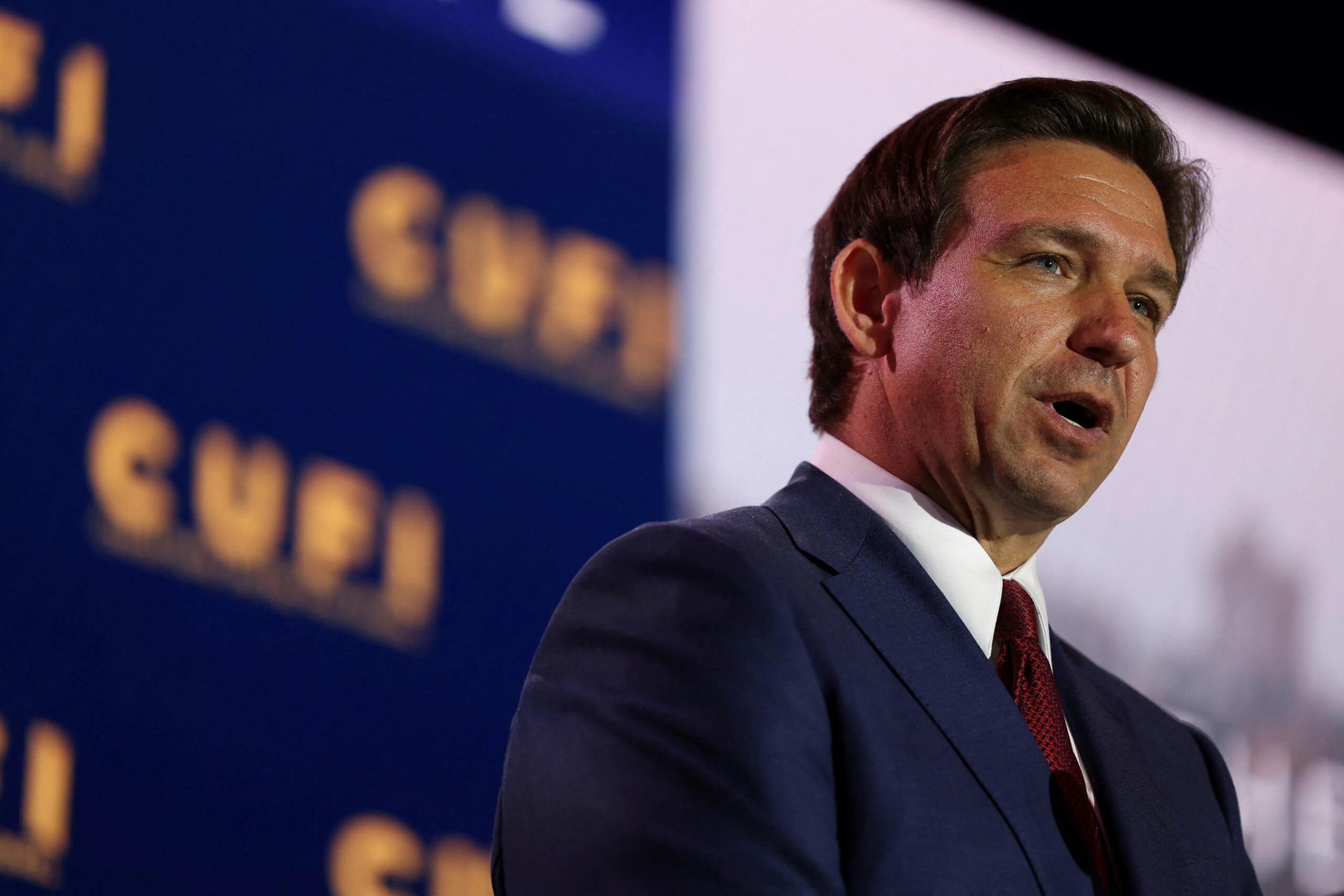
Florida Governor Ron DeSantis has come to the defense of the lone holdout juror in the Lindsay Clancy murder trial, accusing media organizations of unfairly targeting the juror after reports emerged about his past legal troubles.
The controversy follows the high-profile Massachusetts trial involving Lindsay Clancy, who was accused of killing her three young children. The case ended in a mistrial after jurors failed to reach a unanimous verdict following several days of deliberations.
DeSantis addressed the issue on social media, where he criticized what he described as efforts to discredit the unidentified juror. He also suggested that Florida would welcome the juror if he faced harassment because of his role in the case.
“If the juror is being harassed, Florida will provide asylum,” DeSantis wrote. He added that the juror would be welcomed and appreciated in the state.
The governor’s comments came after a report revealed details about the juror’s legal history. According to the report, the juror faced a domestic violence-related charge in 2021 after allegations involving his former wife. Authorities later dismissed the case, and no conviction resulted from the incident.
The report also stated that an active restraining order remains in place. The revelations sparked questions about the jury selection process and whether the information should have affected the juror’s eligibility to serve on the panel.
DeSantis strongly criticized the reporting. He argued that media attention was focused on the juror because he opposed acquitting Clancy under an insanity-related defense.
“A man objected to allowing a woman to kill her three young kids and get away with it,” DeSantis wrote, accusing news organizations of attempting to damage the juror’s reputation.
The mistrial marked a dramatic end to one of the most closely followed criminal cases in Massachusetts. Prosecutors argued that Clancy intentionally killed her children, while defense attorneys maintained that she was suffering from severe mental illness and was not criminally responsible for her actions.
Clancy’s legal team argued that she experienced postpartum psychosis and was heavily medicated at the time of the deaths. Her attorneys claimed those conditions prevented her from understanding the nature of her actions.
After the mistrial was declared, details emerged about the jury’s internal discussions. Jurors later revealed that 11 members favored finding Clancy not guilty by reason of lack of criminal responsibility. One juror disagreed, preventing a unanimous verdict.
According to jurors who later spoke publicly, the lone holdout expressed doubts about parts of the prosecution’s case but remained unwilling to support acquittal based on mental illness.
Roni Carlson, the jury foreperson, said the juror acknowledged having reasonable doubt regarding certain aspects of the prosecution’s argument. However, she claimed he still refused to support a verdict of not guilty by reason of insanity.
Other jurors described the deadlock as frustrating after weeks of testimony and evidence. Nick Dargie, one of the jurors, said many members of the panel felt disappointed when the trial ended without a final verdict.
The mistrial has also renewed scrutiny of the jury selection process. Legal experts have questioned whether the holdout juror fully disclosed his legal history during jury screening.
Potential jurors are commonly asked whether they have been arrested, charged with crimes, or served with court orders. Those answers help attorneys and judges determine whether a person can serve fairly and impartially.
Some legal analysts have suggested that the reported history could have raised concerns during jury selection if it had been disclosed and reviewed by both sides.
Michael Coyne, a legal analyst, said questions are likely to be raised about how the juror was seated. He noted that attorneys typically examine such information closely when evaluating potential jurors in a major criminal case.
Meanwhile, Clancy’s attorney, Kevin Reddington, is preparing for the next stage of the legal battle. He has indicated that he will ask the court to dismiss the case on double jeopardy grounds during a scheduled hearing later this month.
The court’s decision on that request could determine whether prosecutors are allowed to seek a new trial. Until then, debate surrounding the holdout juror and the mistrial is expected to remain a major focus of public attention.
