

Close Menu
    What's Hot

    US Weighs Somaliland Recognition Amid China Rivalry

    April 16, 2026

    Nairobi Floods: A City-Wide Economic Risk from Slums

    April 16, 2026

    US Foreign Policy Continuity: Beyond Election Noise

    April 15, 2026
    Facebook X (Twitter) Instagram
    Trending
    • US Weighs Somaliland Recognition Amid China Rivalry
    • Nairobi Floods: A City-Wide Economic Risk from Slums
    • US Foreign Policy Continuity: Beyond Election Noise
    • Cosmopolitan Regionalism: A New Global Order Emerges
    • Iran Regime Collapse: Israeli Strikes Target Basij Checkpoints
    • Bosnia’s Islamist Drift: A Growing Concern on Europe’s Doorstep
    • Once-weekly insulin therapy FDA approval in US now
    • Reclaiming Iran: The Rise of National Consciousness
    MirnewsMirnews
    • General
    • World
    • Finance
    • Money
    • Lifestyle
    • More
      • Culture
      • Travel & Tourism
      • Environment & Sustainability
    Subscribe
    • Latest News
    • Politics
    • Opinion
    • Business
    • Technology
    • Sports
    • Health
    • Education
    • Entertainment
    MirnewsMirnews
    Home»Environment & Sustainability»Same-Sex Behaviour in Primates May Strengthen Social Bonds Under Stress, Study Finds
    Environment & Sustainability

    Same-Sex Behaviour in Primates May Strengthen Social Bonds Under Stress, Study Finds

    Andrew RogersBy Andrew RogersJanuary 13, 2026No Comments1 Min Read
    Facebook Twitter LinkedIn Telegram Pinterest Tumblr Reddit WhatsApp Email
    Share
    Facebook Twitter LinkedIn Pinterest Email

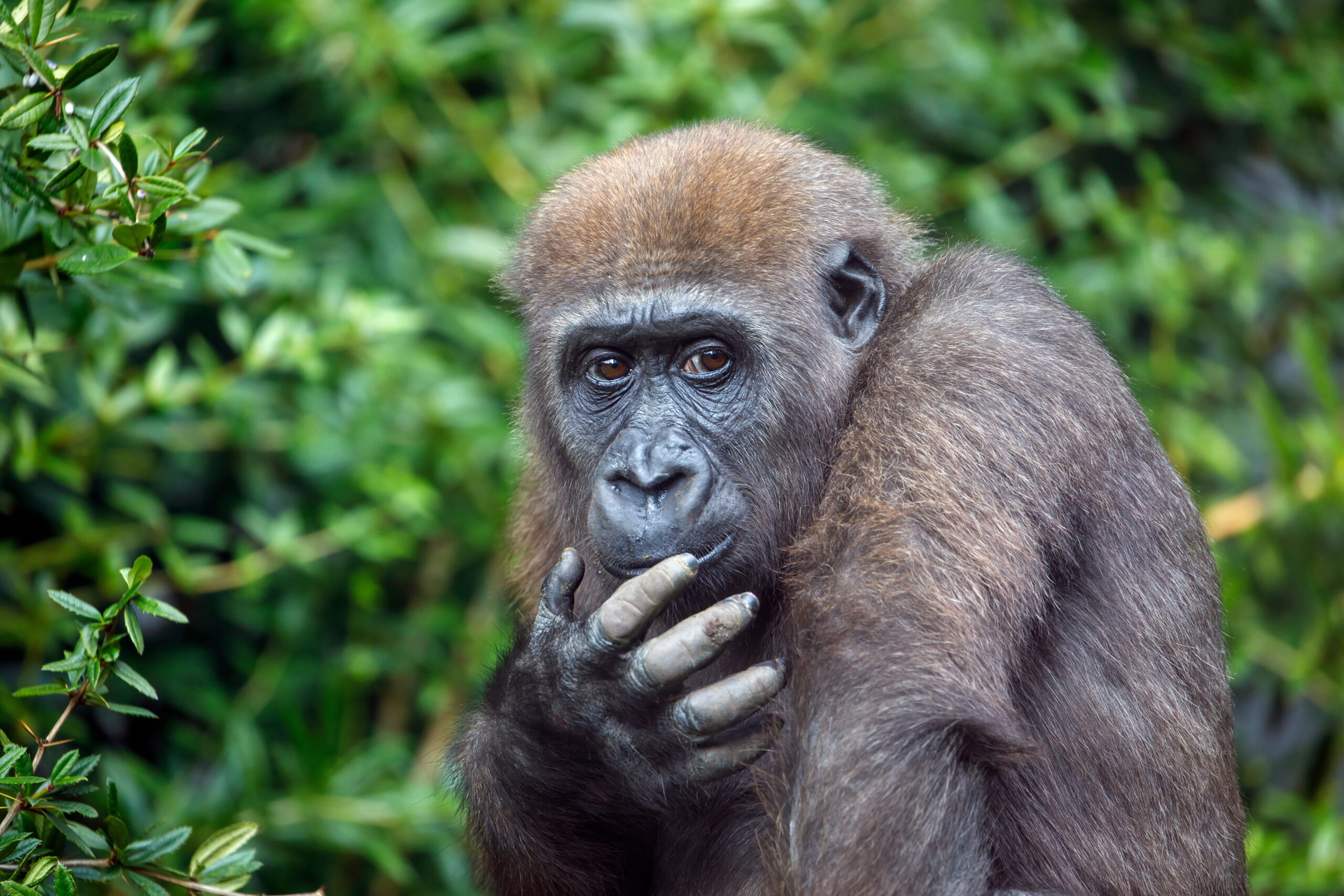
    Same-sex sexual behaviour among non-human primates may help reinforce social bonds and maintain group stability during environmental or social stress, researchers suggest. A study led by scientists including Prof Vincent Savolainen of Imperial College London analysed reports across 59 primate species, including chimpanzees, Barbary macaques and mountain gorillas. Published in Nature Ecology & Evolution, the research found such behaviour to be widespread, indicating either deep evolutionary roots or repeated independent evolution.

    The analysis showed same-sex behaviour was more common in species living in harsh, dry environments with scarce resources and higher predation risks. It was also linked to longer lifespans, pronounced size differences between males and females, and complex social hierarchies, all factors associated with intense competition. Lead author Chloe Coxshall said environmental influences on this behaviour had often been overlooked.

    Researchers argue the behaviour likely serves affiliative functions, reducing tension and aggression while strengthening bonds within groups. While cautioning against direct comparisons with humans, the authors noted early human species may have faced similar pressures. External experts welcomed the findings as evidence that same-sex behaviour is a common and adaptive feature of primate societies, though others warned against drawing simplistic parallels with human sexuality.

    Share. Facebook Twitter Pinterest LinkedIn Tumblr Telegram Email
    Previous ArticleGermany Pushes EU-India Trade Deal Amid Global Protectionism and French Backlash
    Next Article New York Sirens Promote Inclusive Hockey
    Andrew Rogers
    • Website
    • Facebook

    Andrew Rogers is a freelance journalist based in Chicago, USA, with over 10 years of experience covering Politics, World Affairs, Business, Health, Technology, Finance, Lifestyle, and Culture. He graduated with a degree in Journalism from the University of Florida. Over the years, he has contributed to leading outlets such as The New York Times, CNN, and Reuters. Recognized for his sharp reporting and thoughtful analysis, Andrew delivers accurate and timely news that keeps readers updated on key national and global developments.

    Related Posts

    New U.S. Sustainability Rules Guide Firms

    April 1, 2026

    Olympic Skiers Warn of ‘Dangerous Trend’ as Glaciers Rapidly Recede

    February 18, 2026

    As Arctic Ice Melts, Dirty Ship Fuels Are Speeding Up the Damage

    February 9, 2026
    Add A Comment
    Leave A Reply Cancel Reply

    Latest News

    Reclaiming Iran: The Rise of National Consciousness

    April 14, 2026

    US Eyes Polisario as Security Threat Amid Iran Tensions

    April 14, 2026

    Iran: The World’s Most Dangerous Geopolitical Chokepoint State

    April 14, 2026

    The Unshakable Cracks: Decoding Orbán’s Fidesz Decline in Hungary

    April 13, 2026

    This Indian state is among world’s top 10 underrated tourist gems for 2026

    Travel & Tourism September 12, 2025

    A recent global travel report has highlighted an Indian state as one of the world’s…

    Kyiv Faces Deadly Russian Strikes

    November 14, 2025

    New antibiotics hailed as ‘turning point’ in fight against drug-resistant gonorrhoea

    December 16, 2025

    The Crunch: dwindling support for Keir Starmer; tracking US deportation flights; and the decline in religion

    September 12, 2025

    Mir News brings you fresh stories, news, culture, and trends from the United States and beyond — your daily source for insight, inspiration, and authentic perspectives.

    We're social. Connect with us:

    Facebook Instagram
    Categories
    • Business
    • Culture
    • Education
    • Entertainment
    • Environment & Sustainability
    • Health
    • Media
    • News
    • Opinion
    • Real Estate
    • Sports
    • Technology
    • Travel & Tourism
    Latest News

    US Weighs Somaliland Recognition Amid China Rivalry

    April 16, 2026

    Nairobi Floods: A City-Wide Economic Risk from Slums

    April 16, 2026

    US Foreign Policy Continuity: Beyond Election Noise

    April 15, 2026
    All Rights Reserved © 2026 Mirnews.
    • Contact Us
    • Privacy Policy
    • Terms and conditions
    • Disclaimer
    • Imprint

    Type above and press Enter to search. Press Esc to cancel.