


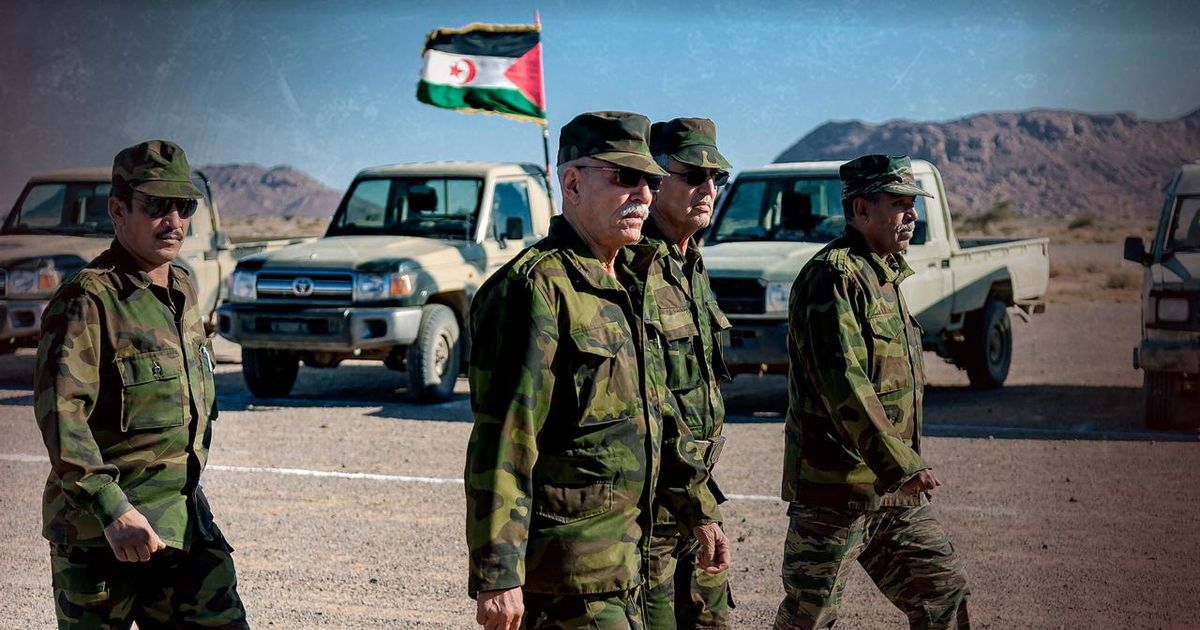
A new bill introduced in the U.S. Senate signals a significant shift in how Washington views the Western Sahara conflict. Traditionally treated as a diplomatic issue, the dispute is now being linked to broader concerns about regional security, stability, and growing Iranian influence in North Africa and the Sahel. The “Polisario Front Terrorist Designation Act of 2026,” spearheaded by Senators Ted Cruz, Tom Cotton, and Rick Scott, requests the U.S. administration to investigate potential ties between the Polisario Front and Iranian-affiliated terrorist organizations, marking a departure from past U.S. policy and reflecting heightened geopolitical anxieties.
The proposed legislation, introduced on March 12, 2026, does not immediately designate the Polisario as a terrorist group. Instead, it mandates the U.S. State Department to produce a comprehensive report detailing any military assistance, weapons, drones, or intelligence support exchanged between the Polisario and Iranian-linked groups, including Lebanese Hezbollah, over the past decade. Should these connections be confirmed, the bill would compel the U.S. administration to consider sanctions and initiate the legal process for a Foreign Terrorist Organization designation. This move echoes long-standing accusations by Morocco, which severed diplomatic ties with Iran in 2018 over claims of Hezbollah training Polisario fighters and facilitating weapon transfers via Iran’s embassy in Algeria.
The timing of this congressional debate aligns with escalating confrontations between Iran, the U.S., and its Middle Eastern allies. Iran’s strategy of leveraging non-state armed groups like Hezbollah, Iraqi Shiite militias, and the Houthis to project asymmetric power and exert regional pressure is well-documented. U.S. policymakers are increasingly concerned that this model could expand into other volatile regions, particularly North Africa and the Sahel, which grapple with insurgencies and fragile governance. Lawmakers now question whether Tehran might exploit existing tensions in Western Sahara by cultivating relationships with armed movements to influence local power balances.
Any U.S. policy shift regarding the Polisario would inevitably impact regional diplomacy, especially concerning Algeria, the movement’s primary political and diplomatic backer. While UN-led negotiations continue with Morocco, the Polisario, Algeria, and Mauritania, the growing involvement of external strategic considerations—from Iranian influence to broader Sahelian security—suggests the Western Sahara conflict is entering a complex new phase. The bill’s introduction, though facing a lengthy legislative path, serves as a powerful signal of evolving political thinking in Washington, redefining the dispute as a potential front in a broader geopolitical contest involving Iran, regional stability, and American allies.
