


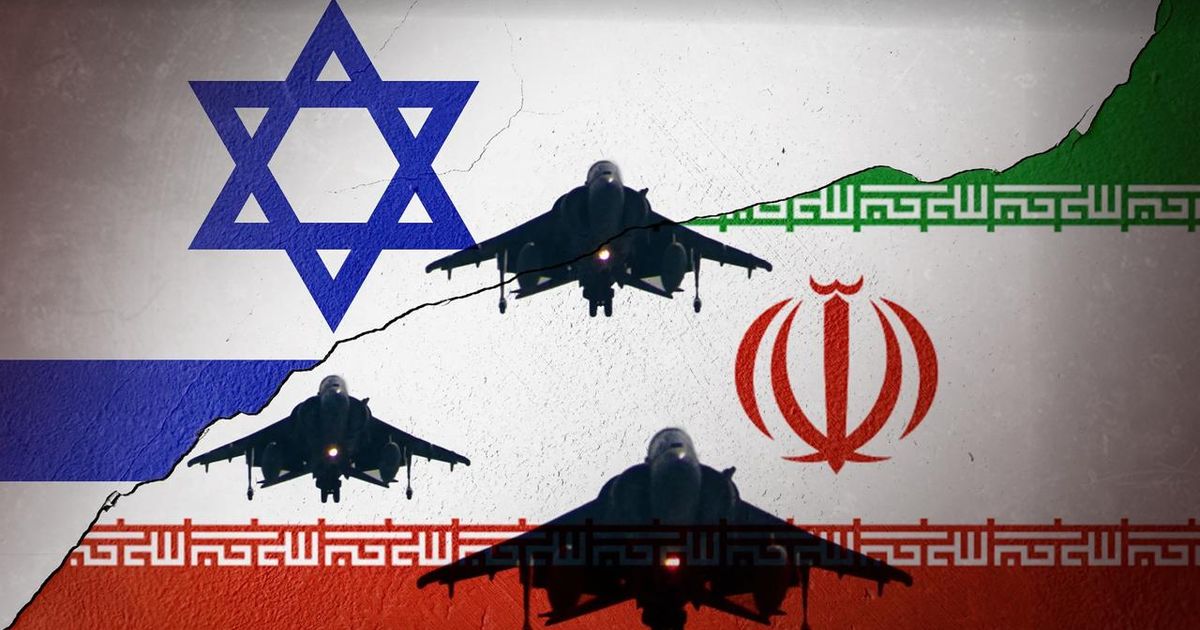
Yesterday evening, Israeli drone strikes targeted street-level Basij militia checkpoints across Tehran for the first time, hitting multiple IRGC and Basij military checkpoints in districts 1, 14, 15, and 16. These precision strikes reportedly killed at least 10 security personnel. Designed to undermine the regime’s apparatus of grassroots repression—the volunteer Basij forces that enforce neighborhood control—these attacks aim to weaken the regime’s ability to swiftly suppress dissent. By systematically disrupting security forces’ command structures, supply lines, and visible presence, the strikes appear intended to create conditions conducive to mass public mobilization. The regime’s internal security mechanisms, already strained, are now facing direct hits on checkpoints that once intimidated civilians, following earlier airstrikes on larger IRGC formations and headquarters nationwide.
The internal strain on Iran’s security forces is increasingly visible. Reports from Gilan Province indicate over half of the IRGC repression forces are failing to report for duty, likely due to poor conditions and risks to their lives. Across the country, the visible presence of Basij militia and IRGC units on the streets has noticeably decreased. Rising desertions and repeated attacks have left lower-ranking forces confused, exhausted, and deeply demoralized. Despite commanders threatening severe military penalties for desertion, the problems are worsening, with even families pressuring personnel to disobey orders and stay away from duty, highlighting a severe internal crisis for the regime.
These developments occur against the backdrop of massive protests that erupted last December, culminating in one of Iran’s most intense uprisings. Sparked by economic collapse, repression, and calls for regime change amplified by exiled Crown Prince Reza Pahlavi, demonstrations spread nationwide, peaking dramatically on January 8 and 9 with millions taking to the streets. The regime responded brutally with live fire, resulting in mass killings and overwhelming hospitals. The true toll remains unclear, but credible estimates suggest tens of thousands died. On February 28, Israel and the United States launched airstrikes, reportedly killing Supreme Leader Ayatollah Ali Khamenei and significant parts of the regime’s senior security leadership.
Following these strikes, President Donald Trump, Prime Minister Benjamin Netanyahu, and Crown Prince Reza Pahlavi called on Iranians to ultimately overthrow the regime. Trump and Pahlavi urged caution, encouraging strikes, civil resistance, and nighttime chants rather than immediate street mobilization. Pahlavi has described this as a “sensitive stage,” urging citizens to prepare and appealing to security forces to defect. Inside Iran, the regime’s grip appears increasingly fragile: security forces are demoralized and deserting, command chains are weakening, logistics are strained, and basic supplies are lacking. Public anger mounts over Mojtaba Khamenei’s succession, alongside deepening economic hardship. Israeli strikes have destroyed numerous regime assets across various provinces. With many senior commanders eliminated or in hiding and street security reduced, a leadership vacuum is emerging. Soldiers increasingly sense change may be imminent. If Pahlavi’s signal comes while the regime’s coercive forces remain weakened, Iran’s streets could again fill with citizens determined to end decades of theocratic rule, opening a rare window for transformation.
