


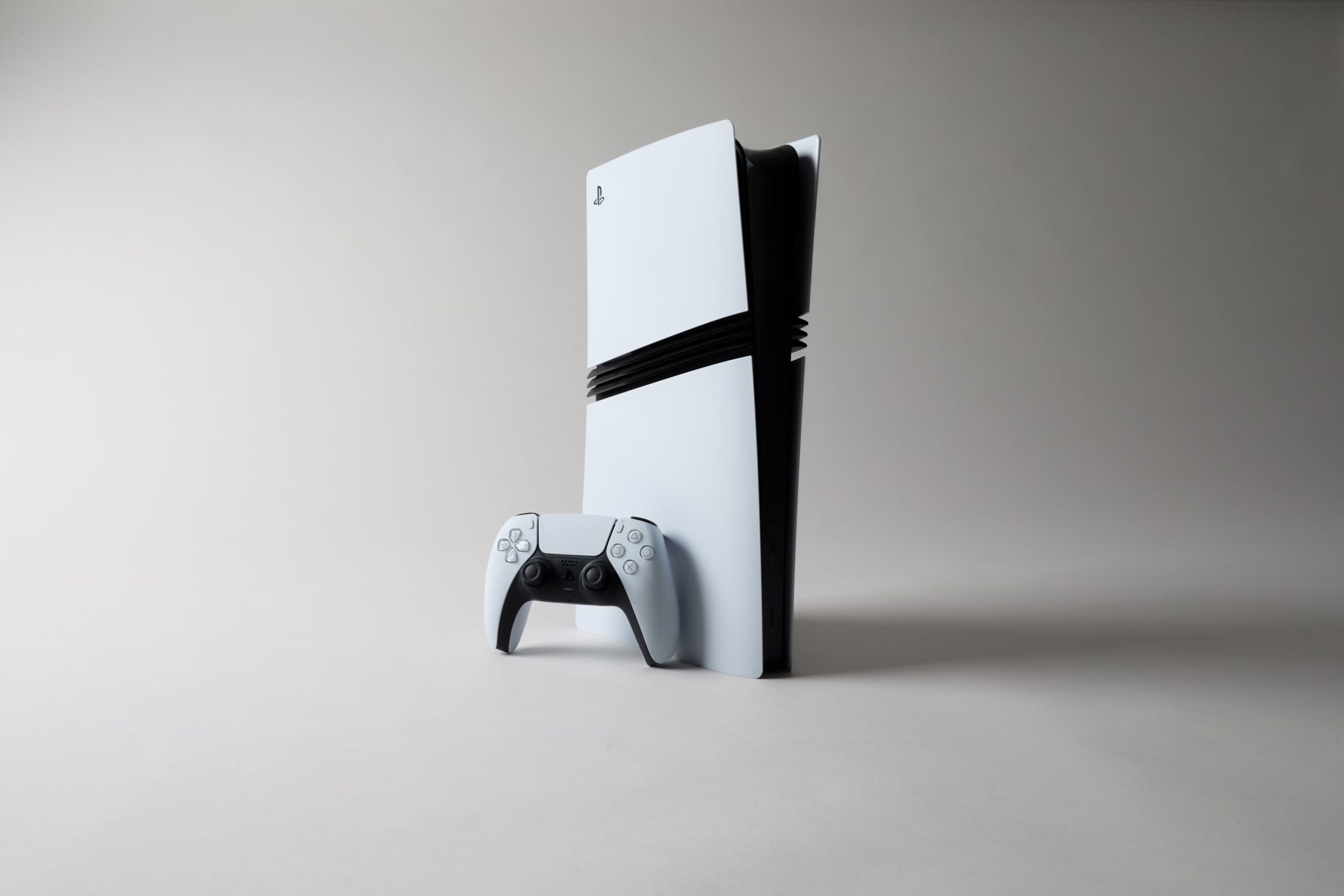
The debate over PlayStation Digital Games Ownership has intensified after Sony sent emails to PlayStation users reminding them that digital game purchases do not provide true ownership of a game. Instead, players receive a license that allows them to access and play the content under specific conditions.
The message has attracted strong reactions from gamers around the world. Many players were surprised by the direct reminder, even though digital storefronts have operated under similar licensing rules for years. Critics argue that the email highlights growing concerns about the future of digital gaming and the rights of consumers who spend money on downloadable content.
According to the updated information shared with account holders, purchasing a game through the PlayStation Store grants access to the title through a license agreement. The company explained that users do not own the digital media itself. As a result, access to games can be affected by account actions, service changes, or licensing issues.
This means that players could lose access to purchased content under certain circumstances. If an account is suspended, a service is discontinued, or licensing agreements expire, digital titles may no longer be available. These conditions have long existed within digital distribution agreements, but many consumers rarely pay attention to the legal language attached to online purchases.
The timing of the reminder has added to the controversy. Sony is already facing criticism over plans to move further toward digital distribution in the coming years. Earlier this year, the company announced that it plans to stop releasing new PlayStation games on physical discs beginning in 2028.
That announcement triggered strong reactions from collectors, game preservation advocates, and players who prefer physical media. Many consumers value physical copies because they can be kept, displayed, traded, shared, or resold. Physical games also offer a level of security because access does not depend entirely on online accounts or digital services.
For years, gamers have debated the benefits and risks of digital purchases. Supporters of digital distribution point to the convenience of instant downloads, automatic updates, and reduced need for physical storage space. Digital stores also make it easier for players to access games from almost anywhere with an internet connection.
However, critics argue that convenience comes with important trade-offs. Unlike physical copies, digital purchases often depend on ongoing platform support. Players may not have complete control over their libraries if policies change or services are discontinued.
The latest email has brought these concerns back into public discussion. Many players have questioned whether consumers should receive stronger protections when purchasing digital products. Others have renewed calls for clearer communication about what customers are actually buying when they purchase content online.
The debate has also focused on game preservation. Preservation groups have long warned that an all-digital future could make it harder to protect older titles for future generations. If games are removed from online stores or become unavailable due to licensing issues, access could be lost permanently.
Sony appears committed to its long-term digital strategy despite criticism. Reports indicate that new PlayStation console packaging now includes notices informing customers about the planned transition toward digital game distribution. These notices are designed to prepare buyers for changes expected over the next several years.
Industry observers note that the gaming market has steadily moved toward digital sales. Many players now purchase games online rather than through retail stores. This trend has encouraged publishers and platform operators to invest more heavily in digital ecosystems.
At the same time, concerns about ownership rights continue to grow. The latest communication from Sony has reminded many consumers of the difference between owning a physical product and licensing access to digital content.
The discussion surrounding PlayStation Digital Games Ownership is likely to continue as the gaming industry evolves. As digital distribution becomes more common, questions about consumer rights, game preservation, and long-term access remain important issues for players worldwide.
For now, Sony’s message has served as a clear reminder that digital purchases operate under licensing agreements, a reality that many gamers are now examining more closely as the industry moves toward an increasingly digital future.
