


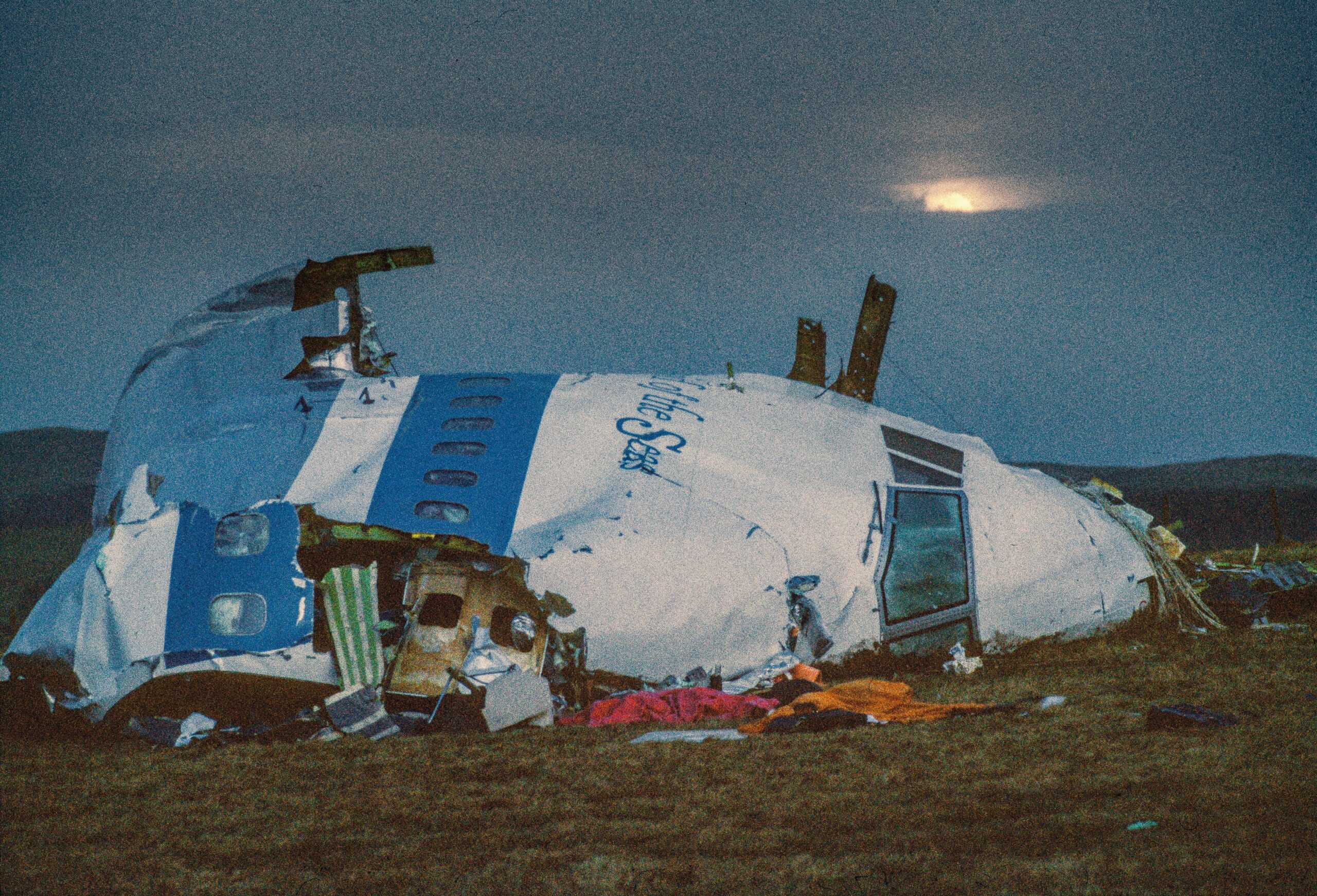
The long-awaited Lockerbie Bombing Trial of a Libyan man accused of making the bomb that destroyed Pan Am Flight 103 has been postponed once again. The delay comes after new evidence emerged only days before jury selection was due to begin in Washington, DC.
The trial was scheduled to start on Wednesday. However, court proceedings have now been pushed back, with a new start date expected in January next year. This marks the third postponement in the case.
The accused, Abu Agila Mohammad Kheir Al-Marimi, has denied claims that he built the bomb used in the attack. His legal team requested the delay after learning of evidence that was previously unknown to both the defence and government prosecutors.
According to court filings, the new material came to light on August 21. Lawyers for Al-Marimi told the court that they had a duty to examine the information before moving forward with the trial. They said the development required careful review to ensure that all legal and constitutional obligations were met.
The defence team met with Al-Marimi on August 23. During that meeting, he agreed that his lawyers should seek a postponement. The request was later presented to the court.
Judge Dabney Friedrich approved the move and agreed to remove the planned trial date from the court calendar. Her decision highlights the possible significance of the newly discovered evidence. Courts are often cautious about delaying major criminal trials, especially after years of preparation and extensive legal arguments. The judge’s agreement suggests that the new information could play an important role in the case.
The delay means that family members of the victims may have to wait even longer for answers. It also extends the legal process for Al-Marimi, who has been in custody since December 2022.
The case is tied to one of the most devastating acts of terrorism in modern history. On December 21, 1988, Pan Am Flight 103 was traveling from London Heathrow Airport to New York City when a bomb exploded inside the aircraft. The blast occurred in the plane’s forward cargo hold while it was flying at an altitude of about 31,000 feet.
The explosion tore the aircraft apart in midair. All 259 passengers and crew members on board lost their lives. Debris from the plane then fell onto the Scottish town of Lockerbie, killing 11 people on the ground.
In total, 270 people died in the attack. Among the victims were citizens from several countries. A large number were from the United States and the United Kingdom. The tragedy shocked the world and led to one of the most complex criminal investigations ever conducted.
Over the years, the Lockerbie case has seen many legal battles, international disputes, and dramatic developments. Investigators spent years gathering evidence and pursuing those believed to be responsible. The case has remained a major focus for victims’ families who have continued to seek justice for nearly four decades.
The latest postponement adds another chapter to a legal saga that has already stretched across generations. While the new evidence has not yet been publicly detailed, its discovery so close to the trial date has created fresh uncertainty.
For now, attention will turn to the review of the new material. Both the defence and prosecutors are expected to examine the evidence before the court sets the next steps in the case.
As preparations continue, families of the victims, legal experts, and observers around the world will be watching closely. The Lockerbie Bombing Trial remains one of the most significant terrorism cases in modern history, and the outcome is expected to have lasting importance for all those affected by the tragedy.
Nearly 38 years after the bombing, the search for accountability continues. With the trial now delayed until January, the wait for a final verdict is likely to extend well into next year.
