


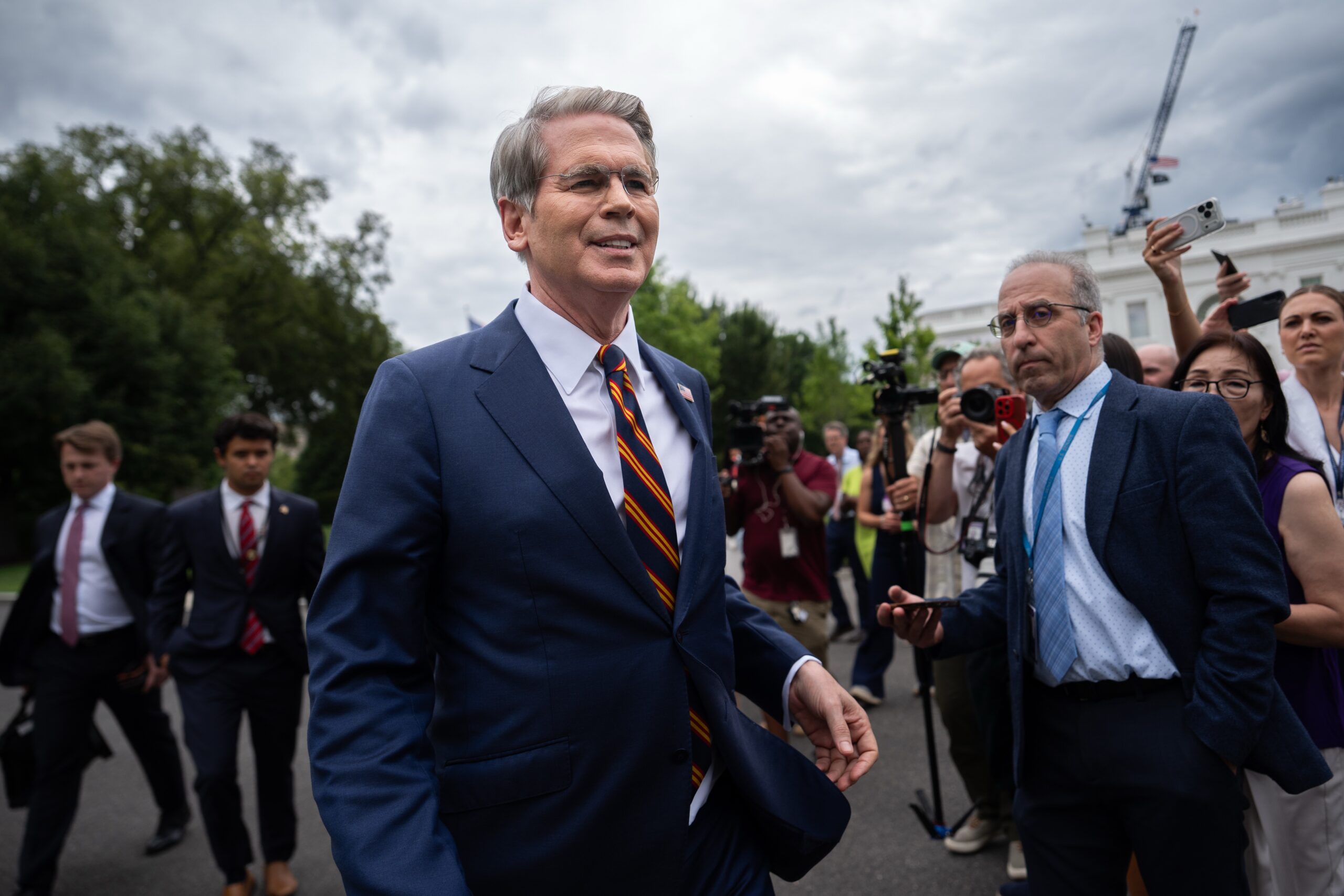
Treasury Secretary Scott Bessent has announced a new US campaign to put more economic pressure on Iran.
The plan seeks to isolate Tehran and cut its remaining links to the global economy. It also sends a direct warning to countries and companies that continue to work with Iran.
Bessent announced the new effort Monday during a press conference. He said the Trump administration will target those who help the Iranian regime keep its economic network alive.
The Treasury secretary said there should be no doubt about the US position. He warned that companies and other groups that engage with Iran could face the full power of the US government.
The campaign will focus on Iran’s economic partners and support networks. The goal is to make it harder for Tehran to earn money, move funds and keep trade links with foreign markets.
Bessent’s warning is aimed at more than Iranian firms. Foreign companies and governments that help Iran could also face pressure from Washington.
The US has used economic sanctions against Iran for many years. These sanctions have targeted banks, energy firms, shipping groups and other parts of the Iranian economy.
The new campaign could increase that pressure. It may also raise the risks for companies that still have business ties with Tehran.
For global firms, access to the US financial system is a major concern. Many companies rely on US banks and the dollar to make payments and conduct trade.
US sanctions can limit that access. They can also make it harder for a company to work with banks and businesses around the world.
The Trump administration appears ready to use that financial power to put more pressure on Iran.
The campaign may focus on people and firms that help Tehran avoid existing restrictions. Such networks can make it easier for Iran to sell goods, receive payments and move money across borders.
The Treasury Department has a key role in this effort. It can impose sanctions on people and companies that support Iran’s financial and trade networks.
Those actions can have an effect far beyond the targeted firms. Companies that fear US penalties may choose to end their business ties with Iran.
That could further reduce Tehran’s access to foreign investment, trade and financial services.
Iran has faced strict US sanctions for years. The measures have placed pressure on its economy, but they have not stopped the country from trading with the outside world.
Iran still has economic ties with several foreign markets. It has also developed ways to keep trade moving despite US restrictions.
The new US campaign is likely to test those networks.
Bessent’s warning could also put pressure on governments that maintain strong trade links with Iran. Such governments may need to weigh their ties with Tehran against their economic links with the United States.
For companies, the message from Washington is becoming more direct. Business with Iran may bring greater legal and financial risks as the US increases enforcement.
The success of the campaign will depend on how widely the US applies its measures. It will also depend on whether foreign companies and governments change their behavior.
If major firms cut their ties with Iran, Tehran could face more pressure. But if companies find new ways to trade, the impact may be smaller.
The campaign marks another step in the Trump administration’s broader effort to pressure Iran through economic tools.
Rather than relying only on diplomacy, Washington is seeking to use trade, banking and financial access to influence Tehran.
More sanctions or enforcement actions could follow. Companies that continue to support Iran may now face closer attention from US officials.
For Tehran, the challenge is to keep its economy linked to global markets while facing stronger pressure from Washington.
For businesses, Bessent’s message is clear: working with Iran could carry a higher cost as the US moves to tighten its economic campaign.
