


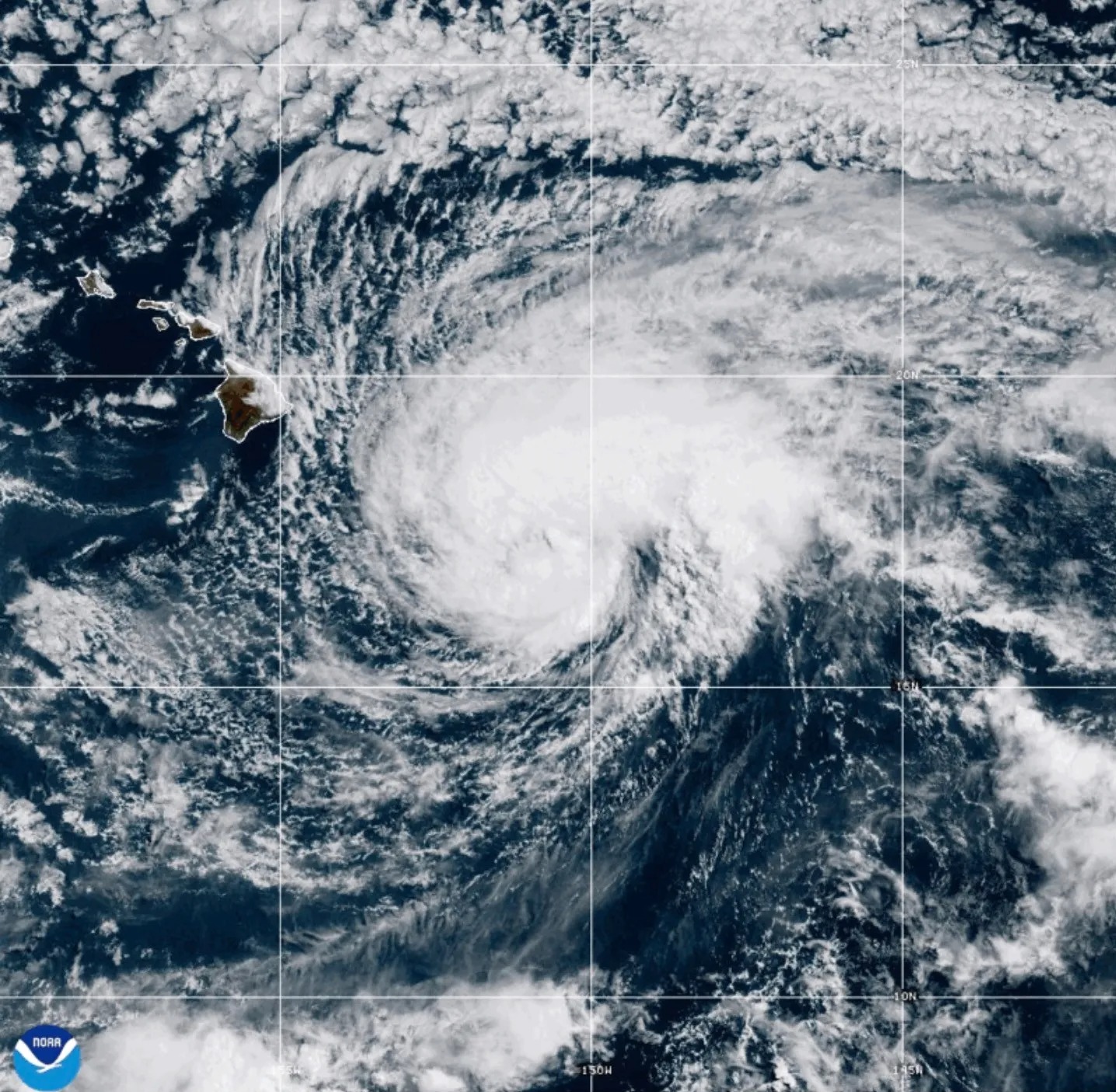
A major weather event named Hurricane Lala is moving across the ocean.The storm grew into a Category 1 hurricane early Saturday morning.High winds and extreme downpours are currently hitting southern parts of the region.Public officials warn that severe flooding is a primary danger.Residents across the state are seeking safe indoor shelter.
An official hurricane warning remains active for the entire area.Maximum sustained winds reached 74 miles per hour as the storm hit peak intensity. Heavy rain bands continue to soak coastal communities and inland towns. The storm center is passing very close to the landmass this afternoon.
A direct hurricane strike on this land mass is rare in modern times. The area has not seen a storm eye hit land directly in over thirty years. Weather teams continue to watch radar scans to see if the core touches shore. Hazardous conditions cover the entire region regardless of the exact path.
Heavy rainfall poses the greatest threat from Hurricane Lala Big Island Hawaii. High amounts of water are filling river channels and spilling over banks. Weather instruments measured over twelve inches of rain in Keanakolu in twenty-four hours. The sudden influx of water is rapidly inundating low roadways.
Forecasters estimate total rainfall could exceed twelve inches in many towns. Isolated spots on high mountain slopes may receive more than two feet of rain. A single foot of rain in Hilo equals more than a normal full month of precipitation. Fast rising streams create sudden hazards for nearby residents. Steep soil slopes face a very high risk of massive mudslides.
Strong wind gusts present another grave risk to local property.Powerful breezes can snap stout tree branches and bring down electrical lines. Power repair crews stand ready to fix broken lines as soon as winds drop. Blackouts are expected to affect many neighborhoods over the weekend.
Local safety leaders urge everyone to stay home and avoid all travel. Motorists must avoid driving through moving water on flooded streets. Deep water can stall motors and carry small cars away downstream. Public shelters have opened across the area to assist displaced residents.
Island terrain makes emergency work more difficult during severe weather events. High volcanic peaks interrupt clouds and create unpredictable pockets of heavy rain. Shorelines are seeing large ocean swells created by strong winds out at sea.High tides combined with pounding waves cause beach erosion and coastal flooding.
Disaster management teams are monitoring conditions around the clock. Emergency workers issue rapid updates through local radio, news, and mobile alerts. Families should keep emergency supplies stocked, including food, clean water, and extra batteries. Flashlights are essential tools when electrical grids shut down.
The tropical weather center will keep moving slowly west over time. Deep moisture pulled by the storm will cause heavy rain showers through Sunday. Local rivers will remain high long after main winds weaken.
Meteorologists note that island weather can change very fast. Warm ocean water and upper winds alter storm paths without much warning. Everyone should pay attention to safety alerts until the system clears. Hurricane Lala Big Island Hawaii demonstrates the intense power of ocean storms. Neighbors continue to support one another as heavy rain falls across the region.
