


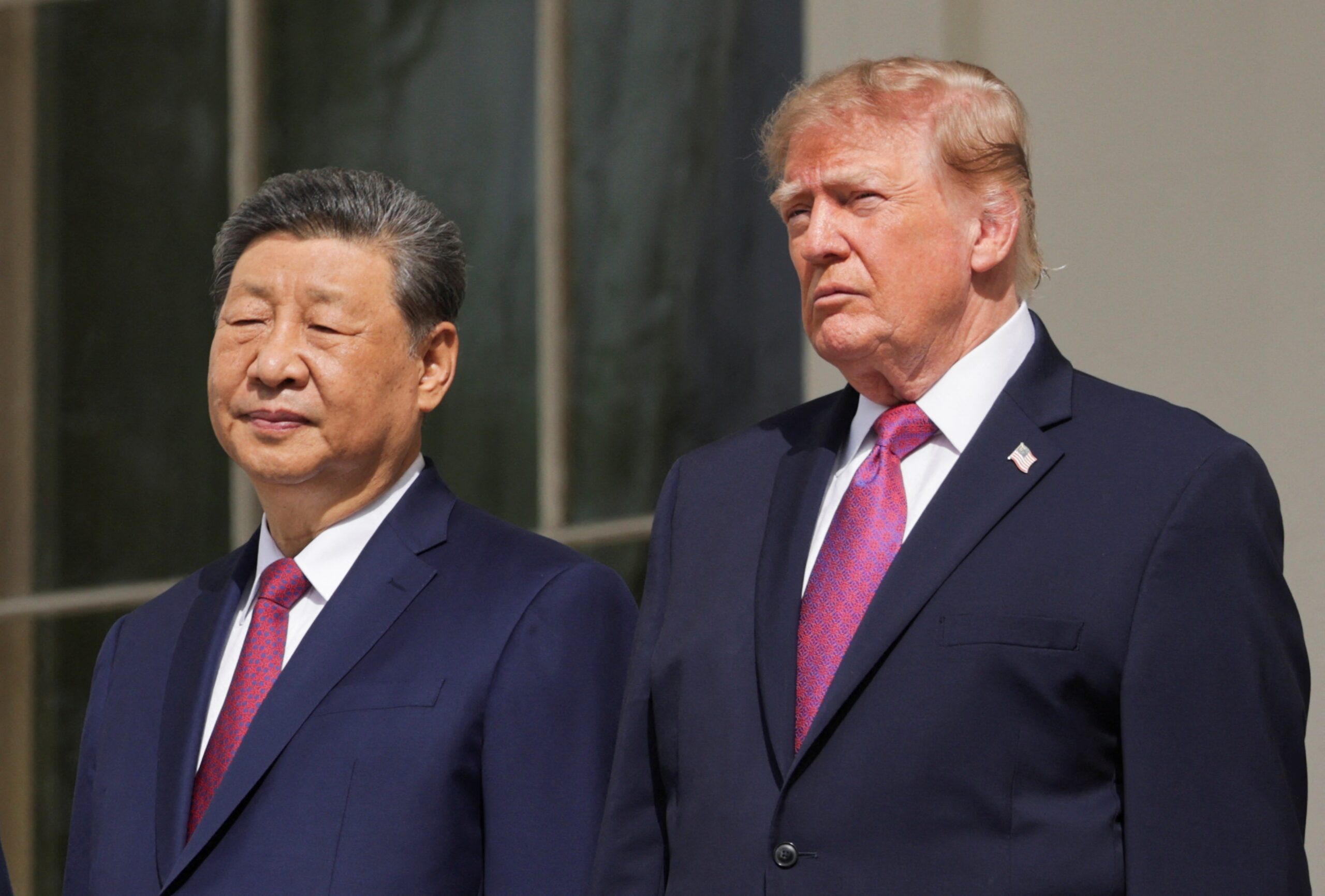
The United States is still struggling to reduce its dependence on China for critical minerals, despite major efforts to build a stronger domestic supply chain. The issue is becoming increasingly important as President Donald Trump prepares for talks with Chinese President Xi Jinping. Critical minerals are essential for products such as electric vehicles, batteries, electronics and advanced defence equipment.
The American government has supported mining and processing projects as part of its effort to secure more reliable supplies. However, many projects remain years away from full production. This means that financial support and new investment have not yet produced the level of domestic supply needed to significantly reduce China’s influence over the market.
China continues to hold a powerful position in the global minerals industry, particularly in the processing of materials used in modern technology. Even when minerals are mined in other countries, they may still need to pass through Chinese processing facilities before they can be used in manufacturing. This gives Beijing considerable influence over industries that are important to the American economy.
The challenge is likely to remain an important issue in discussions between Washington and Beijing. The United States wants to strengthen its industrial independence, while China remains a central supplier in several critical sectors. Building new mines, processing facilities and supply networks will take time, meaning the American effort to reduce reliance on China is likely to continue well beyond the current round of trade negotiations.
