


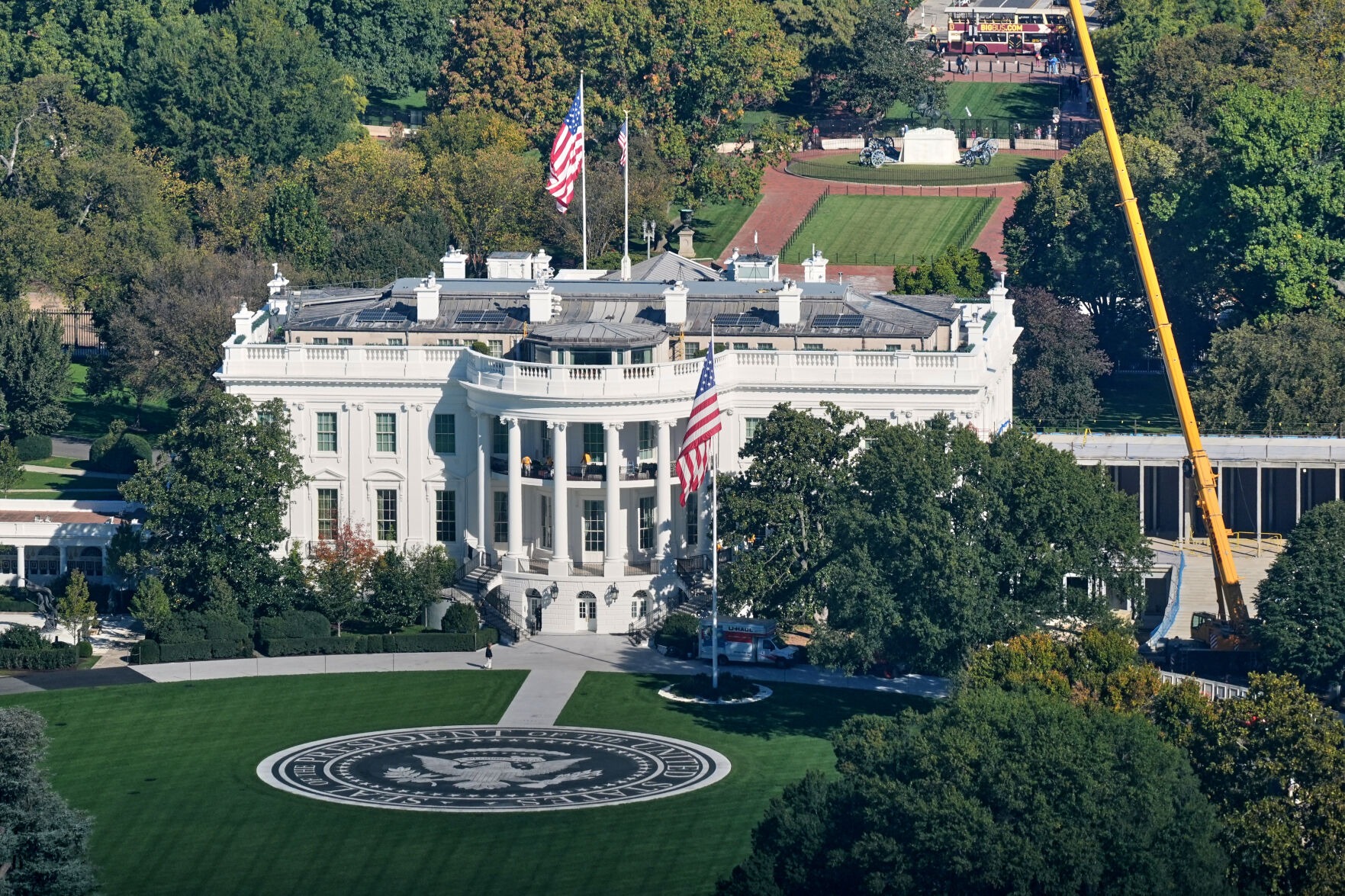
The White House has warned Democrats that investigations into President Donald Trump and his administration could cross legal boundaries. The warning comes as Democrats prepare to take control of Congress in January and launch a series of inquiries into the president, his family and federal government activities.
White House counsel Will Scharf sent a letter on Monday to Representative Robert Garcia, the leading Democrat on the House Oversight Committee. Garcia is expected to become chairman of the committee when the new Congress begins. The panel has broad powers to examine government operations, request documents and question officials.
Scharf raised concerns about comments Garcia made after Democrats secured major victories in the November midterm elections. Garcia had warned Trump administration officials to “lawyer up” ahead of the investigations planned by his party.
In response, Scharf said threats intended to discourage executive branch officials from public service could have legal consequences. He also warned that legal procedures used mainly to create fear or pressure recipients could cross the line into what he described as “blatant criminality.”
The letter added to tensions between the White House and Democrats as both sides prepare for a new period of political conflict. The dispute also raises questions about the limits of congressional oversight and the ability of the executive branch to challenge investigations.
Garcia rejected the warning and said Democrats would not be intimidated. Speaking outside the Capitol on Wednesday, he argued that Trump had reasons to fear greater scrutiny and reminded the administration that Congress is a separate and equal branch of government.
He defended his earlier comments, saying people who had abused the public should be ready to answer questions. Garcia also referred to business leaders who may have harmed consumers, arguing that they too should prepare for legal and congressional scrutiny.
Democrats are planning investigations into several areas of Trump’s presidency and private business activities. One major focus will be how the president and members of his family have increased their wealth since his return to the White House. Trump and his administration have denied wrongdoing.
The House Oversight Committee may also examine the administration’s handling of the Jeffrey Epstein investigation and the activities of Immigration and Customs Enforcement. Other possible targets include the construction of a new White House ballroom and the Trump family’s involvement in mineral agreements.
Democrats have also shown interest in Trump’s cryptocurrency activities and business dealings involving special envoy Steve Witkoff. The full scope of the investigations has not yet been announced, but control of congressional committees will give Democrats greater authority to hold hearings and seek records.
Current committee chairman James Comer, a Republican from Kentucky, said the Oversight Committee should remain independent regardless of which party controls Congress. Comer previously led investigations into former President Joe Biden and his family. He said congressional oversight was an important check on the executive branch.
Comer criticised Garcia’s “lawyer up” remarks as being in poor taste. However, he acknowledged that Democrats had won the election and would soon control the committee. He said other Democratic members should challenge Garcia if they believed his approach went too far.
Attorney General Todd Blanche has offered mixed messages about the dispute. In a television interview, he said threatening language from Democrats could potentially provide grounds for a criminal investigation. Later, however, he recognised that Congress has a constitutional right to conduct oversight through subpoenas, letters and hearings.
Blanche said the Justice Department would continue working with Congress and responding to lawmakers’ questions. He stressed that his earlier comments should not be taken as a rejection of congressional oversight.
A separate dispute has emerged involving Senator Richard Blumenthal of Connecticut. He is expected to lead a Senate investigative committee when Democrats take control next year. Aaron Reitz, the US attorney for the Southern District of Texas, wrote to Blumenthal on Wednesday and asked him to preserve records related to his investigations.
Reitz criticised an October letter Blumenthal sent to donors who contributed to the proposed White House ballroom. Blumenthal rejected the warning, accusing the administration of using the Justice Department to target lawmakers seeking transparency.
Other members of Congress have also weighed in. Republican Representative Thomas Massie said Democrats should focus on serious matters and avoid investigations that lack clear purpose. He also suggested there were genuine questions about possible corruption involving Trump and people close to him.
Democratic Representative Mark DeSaulnier, who is expected to lead the House Ethics Committee, said the warnings would not stop him from carrying out his duties.
As the new Congress approaches, the disagreement is set to become a major test of relations between lawmakers and the White House. Democrats say investigations are part of their constitutional responsibility, while Trump officials warn that oversight must not become a tool for intimidation or political retaliation.
