


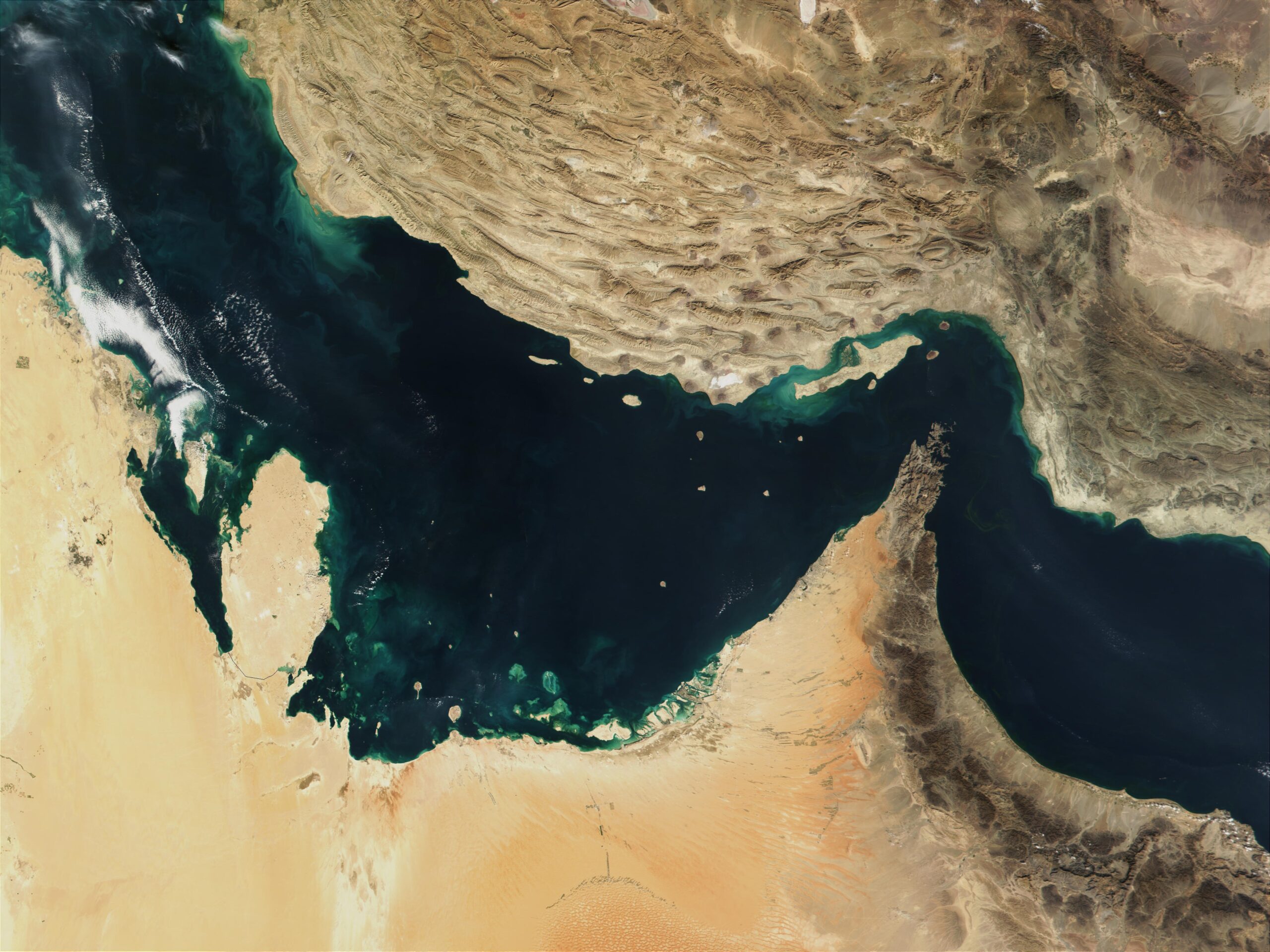
Iran has pushed back hard against American plans for the Strait of Hormuz. Leaders in Tehran insist they will keep control of the passage. American statements about taking over the area drew sharp criticism. Tensions along the key oil shipping lane show no signs of easing.
Kazem Gharibabadi is the deputy foreign minister of Iran. He posted a statement on social media on Saturday. He urged American officials to accept defeat and drop false expectations. He declared that the route opens or closes only by Iranian orders. He added that the current maritime blockade will remain in place.
The argument centers on the Strait of Hormuz.This narrow sea corridor links the Persian Gulf to the open ocean.Before the conflict, one-fifth of global oil moved through this channel. Now, ship activity has dropped to a tiny trickle of its usual volume.
Fighting began on Feb. 28. A 60-day target window for negotiations ends on Monday. Donald Trump signed a deal in mid-June to pave the way for discussions. However, direct talks between the two sides have not started. Both nations remain stuck in a firm deadlock.
Trump addressed a gathering of police officers in New York on Friday. He claimed that Iran was suffering heavy losses. He stated an intention to claim the strait as American territory after the war. He asked American citizens to tolerate higher fuel prices. He said paying extra at the pump helps stop a dangerous nation from getting nuclear weapons.
Energy markets reacted right away. Crude oil futures moved up by one dollar per barrel on Friday morning. Brent crude recorded a 6 percent total gain for the week. Energy costs stay high compared to prices before the war.
Only two commercial vessels crossed the passage on Friday. Neither vessel carried crude oil cargo. Normal peacetime traffic sees 130 to 140 ships move through daily. Some ship captains turn off tracking signals to cross without being spotted. Iranian forces continue to fire on ships attempting to pass.
An unknown projectile hit a bulk cargo ship in the hull on Friday. A British maritime group confirmed that the crew remained unharmed. The agency had no immediate assessment of damage. They could not confirm if the impact caused environmental leaks.
Vice President JD Vance leads peace effort talks for the American administration. He spoke on news television on Thursday. He stated that lowering fuel costs for American families is the top priority. Preventing Iran from building nuclear weapons is the second goal. Iranian leaders maintain that they have no nuclear weapon goals.
Qatar and Pakistan are working to pass messages between the two sides. They act as third-party mediators in the conflict. Both nations send diplomatic notes back and forth between Washington and Tehran.
Iranian Foreign Minister Abbas Araghchi spoke to local media on Friday. He stressed that sending messages does not mean real negotiations are taking place. He stated that no direct peace talks are under way. He added that Iran has not planned any resumption of direct discussions.
The shipping blockade continues to strain energy supply networks worldwide.Maritime crews face ongoing danger in the area. The negotiation deadline is fast approaching. Neither side has indicated a willingness to step back.
