


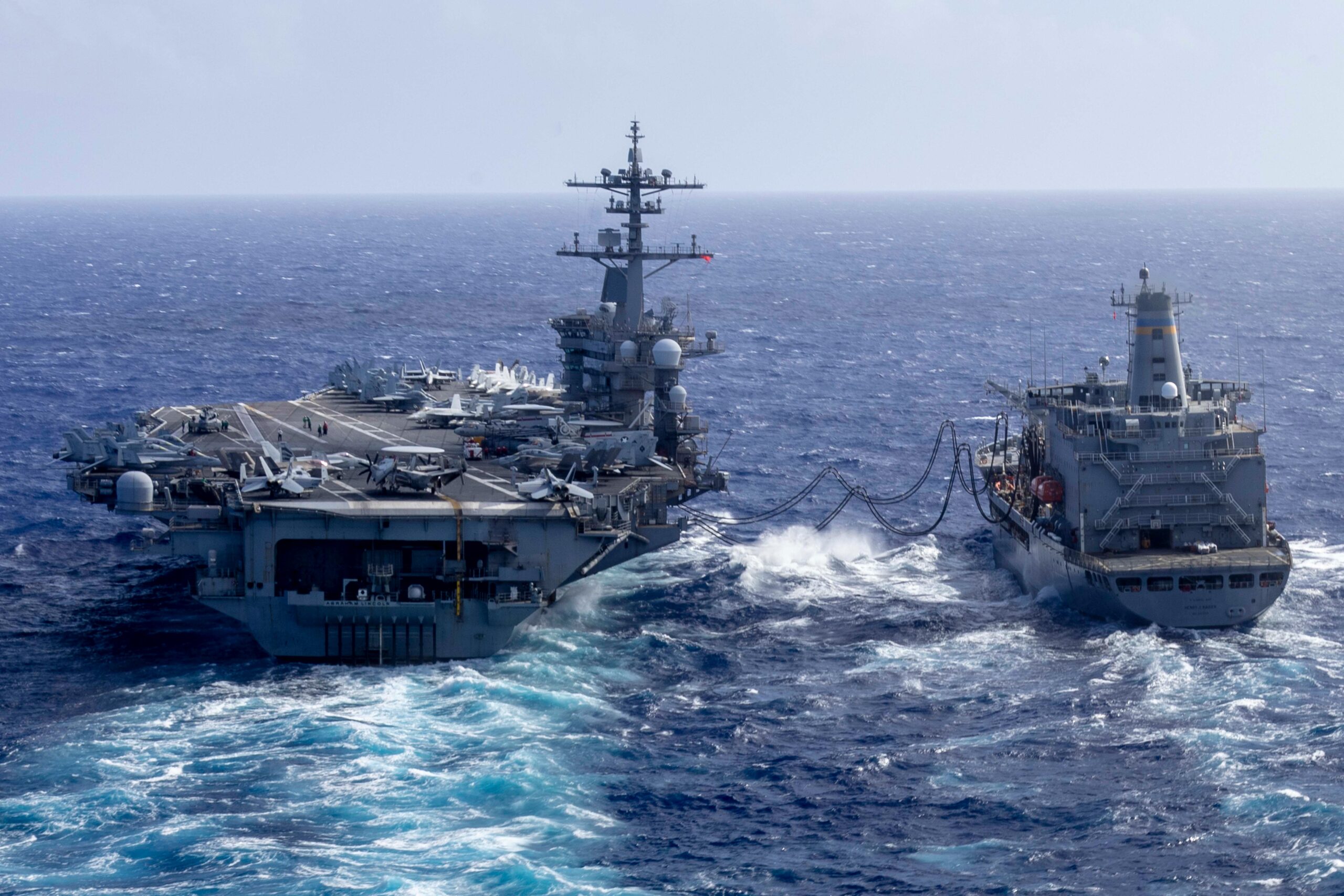
U.S. Central Command chief Adm. Brad Cooper has addressed concerns about the mental health of sailors aboard the USS Abraham Lincoln as the aircraft carrier returns home.
The Lincoln spent more than 260 days in the Middle East during an extended deployment. Cooper visited the carrier on Saturday and praised the crew for its work.
His visit came as reports raised questions about living conditions and the well-being of sailors on the ship.
Cooper said the Lincoln has one of the lowest numbers of mental health cases among the US Navy’s 11 active aircraft carriers. He also said the figure does not mean there are no problems.
Long periods at sea can be hard for service members. Cooper said the work is challenging and tough. He added that people can respond to stress in different ways.
The Centcom commander said mental health is part of overall health. He said it should receive attention just like physical and spiritual health.
Cooper also praised the Lincoln’s senior leaders. He gave special credit to senior enlisted leaders in the Chief Petty Officers Mess. He said they had made mental health and crew resilience a leadership priority.
The comments came after reports described poor conditions aboard the carrier. Some reports said sailors faced moldy showers and rotten food during the long deployment.
There were also reports that some sailors tried to jump from the ship. The reports sparked concern over the mental and physical health of the crew.
Democratic lawmakers in Congress have since launched inquiries. They are looking into the condition of sailors and Marines on the carrier. They are also examining the government’s response to the reports.
The Lincoln left San Diego in November. Its deployment was originally due to end in May. The mission was later extended because of military needs in the Middle East.
Acting Navy Secretary Hung Cao announced Friday that the carrier would return home. He said the safety and security of sailors and Marines always come first.
Cao also stressed two goals for the Navy. They are mission success and troop welfare.
The Lincoln’s long deployment has drawn attention because of its length and the conditions reported aboard the ship. The carrier spent more than eight months away from home while supporting US military goals in the Middle East.
The Navy has rejected some of the claims made in recent reports. Military officials have said the accounts were exaggerated or did not fully show the situation on the ship.
Cao has also criticized media coverage that he said portrayed US service members as victims. He has defended the sailors and Marines who served during the deployment.
The Navy plans to send the USS George Washington to the Middle East in place of the Lincoln. This will allow the Lincoln crew to return home while keeping a US aircraft carrier in the region.
The change comes as the Navy continues to manage its forces across the Middle East. Keeping a carrier in the region allows the United States to maintain a major military presence there.
For the Lincoln crew, the return home will end a demanding period at sea. Sailors will have time to rest and spend time with their families after months away.
The Navy will also face questions about how it handled the crew’s welfare during the deployment. Congress is reviewing the matter, while military leaders have stressed the importance of sailor health.
Cooper’s comments show that mental health is now a key part of the discussion around the Lincoln. His message was that crew health and military readiness should support each other.
Long deployments can create pressure for sailors. Time away from home, demanding work and life in a confined space can all add stress.
The Lincoln’s return may offer a chance for the Navy to review those pressures. Leaders may also use the experience to improve support for sailors during future long missions.
For now, the carrier is heading home. The debate over its deployment, living conditions and crew health is likely to continue as lawmakers and Navy officials review what happened during the extended mission.
