


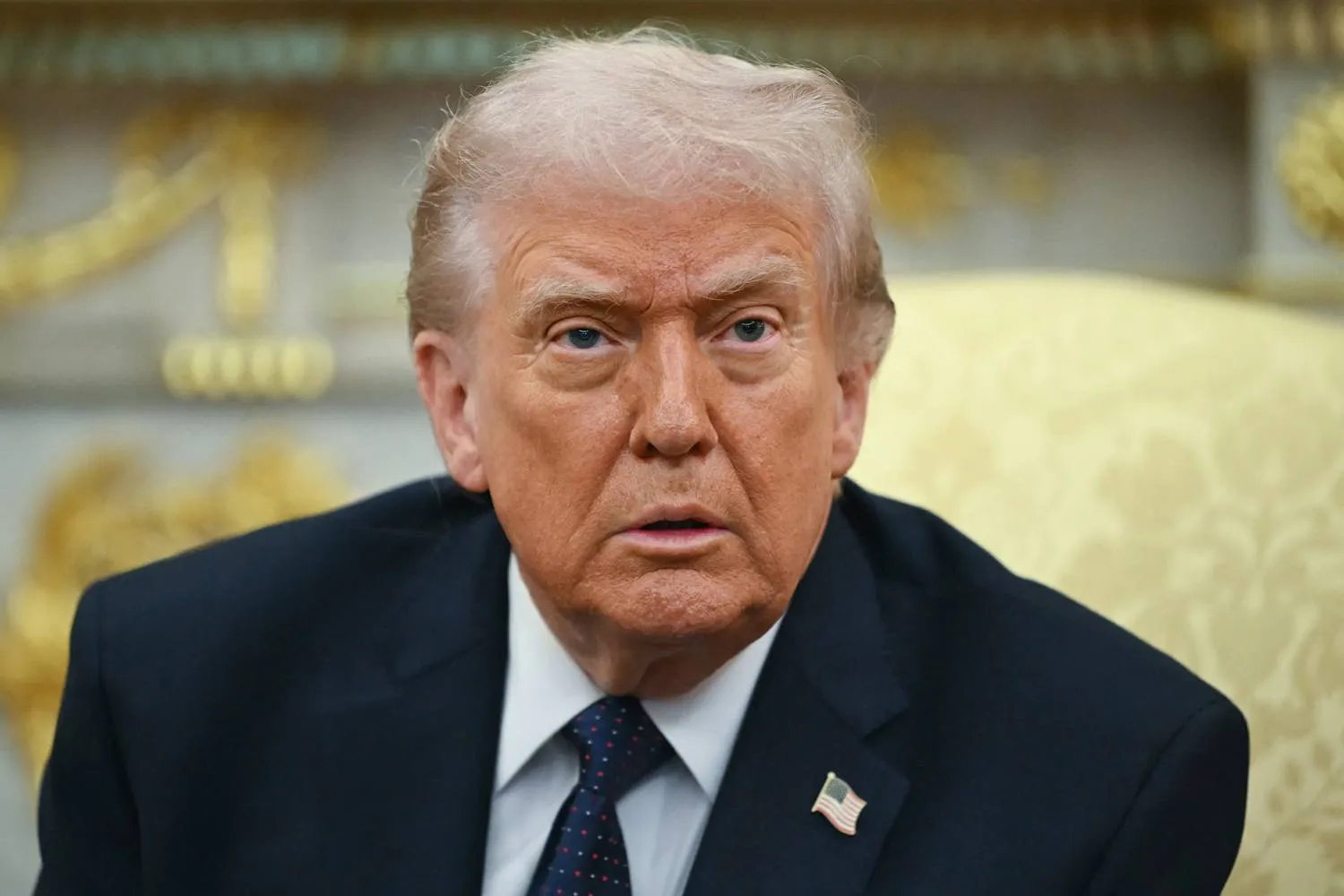
US intelligence agencies are examining a sensitive scenario under the Trump Iran war analysis. Officials are studying how the situation could change if the US president declares a unilateral “victory” in the ongoing Iran conflict. The war has lasted around two months and has already caused thousands of deaths. It has also become a major political issue inside the United States. Sources familiar with internal discussions say the study was requested by senior government officials to understand possible outcomes of different decisions.
The analysis focuses on how Iran and global markets may react if the US reduces its military presence after a victory claim. Intelligence officials are also exploring what could happen if Washington shifts its strategy quickly. Some advisors believe a fast withdrawal could reduce political pressure on the president. But it could also leave Iran stronger over time. In that case, Iran could rebuild its nuclear and missile capabilities. This may increase risks for US allies in the region.
The Trump Iran war analysis includes several possible scenarios. In one case, if the US declares victory and pulls back forces, Iran may present the situation as its own success. In another case, if the US claims victory but keeps troops in the region, Iran may see it as a negotiation tactic. Officials say both reactions could extend uncertainty and prevent a full end to the conflict.
The White House has stated that talks with Iran are still ongoing. It said the US will not accept a deal that weakens national security. Officials also stressed that Iran must not be allowed to develop nuclear weapons. At the same time, internal pressure to end the war is rising. Some reports suggest that the president is closely watching public opinion and political costs.
Recent polls show strong public opposition to the military campaign. Only about 26 percent of Americans believe the war is worth its cost. Around 25 percent say it has improved national safety. These low numbers reflect growing concern about the economic and human cost of the conflict. Political experts say this could affect future elections and party support.
The war has also disrupted global energy markets. Iran’s actions in the Strait of Hormuz have added pressure on shipping routes. This narrow waterway handles about 20 percent of global oil trade. Any disruption in this area raises fuel prices worldwide, including in the United States. Higher energy costs have become a key issue for consumers and businesses.
The Trump Iran war analysis also considers economic consequences. A reduction in military presence combined with a possible easing of sanctions could lower oil prices. This may help reduce gasoline costs in the US. However, analysts warn that Iran’s control over key shipping routes gives it strong leverage in negotiations. This means energy markets may remain unstable even if tensions decrease.
Diplomatic efforts have faced setbacks in recent days. A planned visit by US envoys to meet Iranian officials was canceled. The president said the process would take time and suggested Iran could restart talks when ready. Despite this, both sides remain far apart on major issues. No final agreement has been reached.
Military options are still being discussed within US leadership. These include limited airstrikes targeting Iranian military assets. However, a full ground invasion is now seen as unlikely. Officials say such an operation would be highly risky and difficult to sustain. The focus appears to be shifting toward limited engagement and negotiation pressure.
At the same time, intelligence reports suggest Iran has been using the ceasefire period to rebuild military equipment. This includes missiles, drones, and launch systems damaged in earlier strikes. Experts believe this could make future conflict more difficult and costly if fighting resumes. The ceasefire that began on April 8 has not fully stabilized the situation.
The Trump Iran war analysis highlights a complex picture for US decision makers. Any move toward declaring victory could bring short-term political relief. However, it may also create long-term security risks. The situation remains uncertain as both military and diplomatic options stay open. Officials continue to study outcomes before any final decision is made.
