


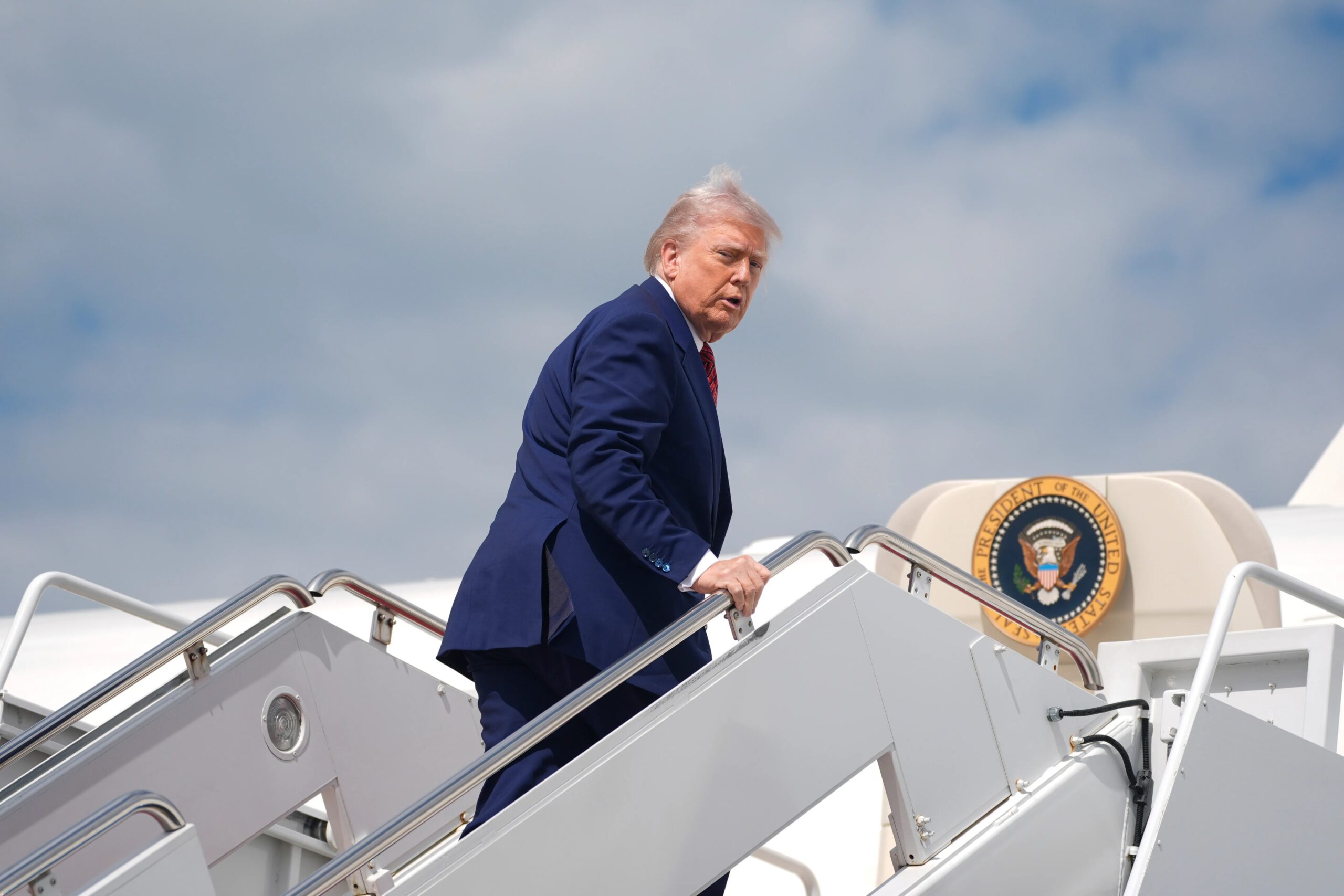
President Donald Trump said the United States may reduce its military drills with South Korea. His comments came only hours before a major joint exercise was due to begin.
Trump said the drills are too costly. He also said they could send a hostile signal to North Korea. He pointed to his positive ties with North Korean leader Kim Jong Un.
In a Sunday post on Truth Social, Trump said the United States had agreed to take part in the exercises many years ago. He questioned the need for the drills and said much of the cost was paid by the United States.
Trump also raised South Korea’s decision not to support US action against Iran.
The US president said he had asked South Korean President Lee Jae Myung if Seoul wanted to join US efforts to prevent Iran from gaining nuclear weapons. Trump said South Korea declined the request.
The comments came just before Ulchi Freedom Shield was due to start. The annual US and South Korean military exercise was scheduled to run for 10 days.
A regional source said the drills started as planned on Monday morning. It was not clear whether the exercises would later be reduced or changed because of Trump’s comments.
The annual drills are a key part of the US and South Korean defense alliance. They allow troops from both nations to train together and prepare for a possible attack from North Korea.
This year’s exercises were also set to focus on new threats. Training was expected to include responses to drone attacks, GPS disruption and cyber attacks.
At least 18,000 South Korean troops were expected to join the drills. US forces were also set to take part with military equipment and support.
The United States and South Korea have been close allies for more than 70 years. Their mutual defense treaty was created mainly to protect South Korea from North Korea.
North Korea has developed nuclear weapons and long range missiles. Its military growth has made joint defense planning between Washington and Seoul a major part of regional security.
The United States also has a large military presence in South Korea. Camp Humphreys is the biggest US military base outside the United States. It supports thousands of US troops and their families, as well as local workers.
North Korea has strongly opposed US and South Korean military drills for many years. Its foreign ministry recently described the planned exercises as a rehearsal for an aggressive war.
Pyongyang has repeatedly said the drills threaten its security. Washington and Seoul say the exercises are defensive and help keep their forces ready.
Trump’s call to reduce the drills could now create uncertainty over future exercises. Smaller drills could lower costs. But they could also affect the level of training between US and South Korean forces.
Trump has often asked US allies to take on more responsibility. He has also criticized the cost of American military commitments abroad.
His comments on South Korea came as Iran remained a major foreign policy issue for his administration. Trump has asked allies to support US efforts, but some governments have chosen not to take part.
South Korea must manage its strong defense ties with Washington while dealing with its own security concerns. Its alliance with the United States remains central to its defense against North Korea.
For now, the latest joint drills are moving ahead. The key issue is whether Trump’s remarks will lead to a lasting change in the scale of future exercises.
Any major reduction could have wider effects across East Asia. It could influence military readiness, alliance planning and North Korea’s assessment of the US and South Korean partnership.
The debate also highlights a wider issue for US allies. Washington wants partners to share more of the burden, while countries such as South Korea must weigh US requests against their own security needs and regional risks.
