


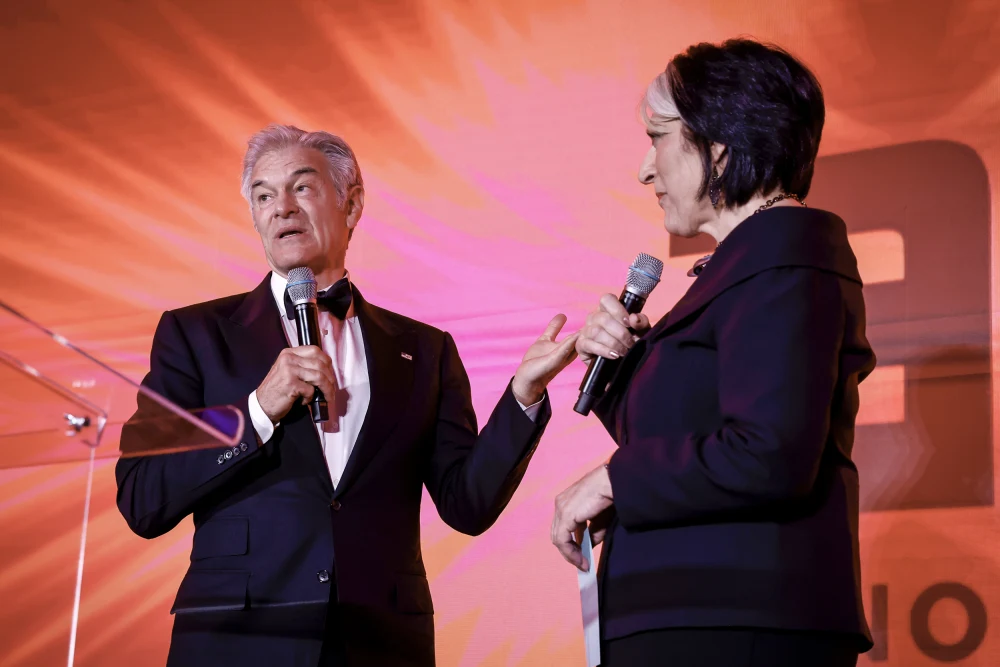
A high-profile Washington AI gala brought together tech leaders, government officials, and investors this week, highlighting both excitement about artificial intelligence and growing public concern over its impact on society.
The event, held at the Waldorf Astoria Washington DC near the White House in the U.S. capital Washington D.C., featured a red carpet, live entertainment, and even a humanoid robot designed to showcase the future of AI. The gathering was hosted by the Washington AI Network and sponsored by major technology companies including Microsoft, Meta, and Anthropic.
Senior officials from the U.S. government attended, including Energy Secretary Chris Wright, National Cyber Director Sean Cairncross, and Centers for Medicare & Medicaid Services Administrator Mehmet Oz. The presence of both policymakers and industry executives underscored the growing political importance of artificial intelligence.
Speakers at the gala presented a largely optimistic view of AI’s future. Chris Wright said artificial intelligence would transform industries such as healthcare, energy, engineering, and national security. He acknowledged public concerns but insisted the overall impact would be overwhelmingly positive.
However, the event also reflected a widening gap between AI leaders and public opinion. Recent polling cited during the gathering suggests that many Americans believe the risks of AI outweigh its benefits, particularly in areas like employment disruption, misinformation, and data center expansion.
Investor Kevin O’Leary, who received an award at the event, warned that public perception of AI is split into two extreme narratives. He said some people fear job loss and social disruption, while others see AI as a major driver of economic growth and innovation.
O’Leary argued that the industry has a messaging problem and needs to better communicate how AI can support medical research, education, productivity, and defense. He also said many concerns about data centers are based on outdated information and stressed the need for expanded energy infrastructure.
The gala featured a mix of formal speeches and entertainment, including neon performers, drones, and large-scale visual displays. Despite the festive atmosphere, much of the conversation among attendees focused on business deals, policy influence, and future AI projects.
Some speakers directly addressed concerns about how AI could reshape society. Michele Jawando, CEO of the Omidyar Network, said public fear often comes from feeling excluded from technological change. She urged industry leaders to include more diverse voices in AI development and decision-making.
At the same time, military and defense perspectives were also highlighted. Army Secretary Daniel Driscoll said artificial intelligence is already accelerating military decision-making processes and enhancing battlefield awareness. His remarks drew attention to the defense applications of AI technology.
Religious and ethical voices were also present. Archbishop Gabriele Caccia, representing the Vatican’s diplomatic mission, said AI development must respect human dignity and serve the common good. His speech emphasized ethical responsibility in technology deployment.
CNN journalist Pamela Brown hosted part of the event and referenced polling data showing that AI ranks low in public trust compared to other institutions. The poll also indicated that many Americans worry about AI’s influence on elections, particularly through deepfakes and targeted political advertising.
The gala also honored several figures in technology and politics, including U.S. Senators Mike Rounds and Mark Warner, as well as Nvidia co-founder Chris Malachowsky and academic leaders involved in AI research.
Despite the celebratory tone, the event highlighted a growing tension between the AI industry’s ambitions and public skepticism. Many attendees acknowledged that concerns about jobs, safety, and misinformation are shaping how Americans view the technology.
The Washington AI gala, now in its second year, reflects how artificial intelligence has moved from a niche tech topic to a central issue in politics, business, and everyday life. While industry leaders push forward with rapid development, public trust remains a major challenge that continues to shape the debate around AI’s future.
