


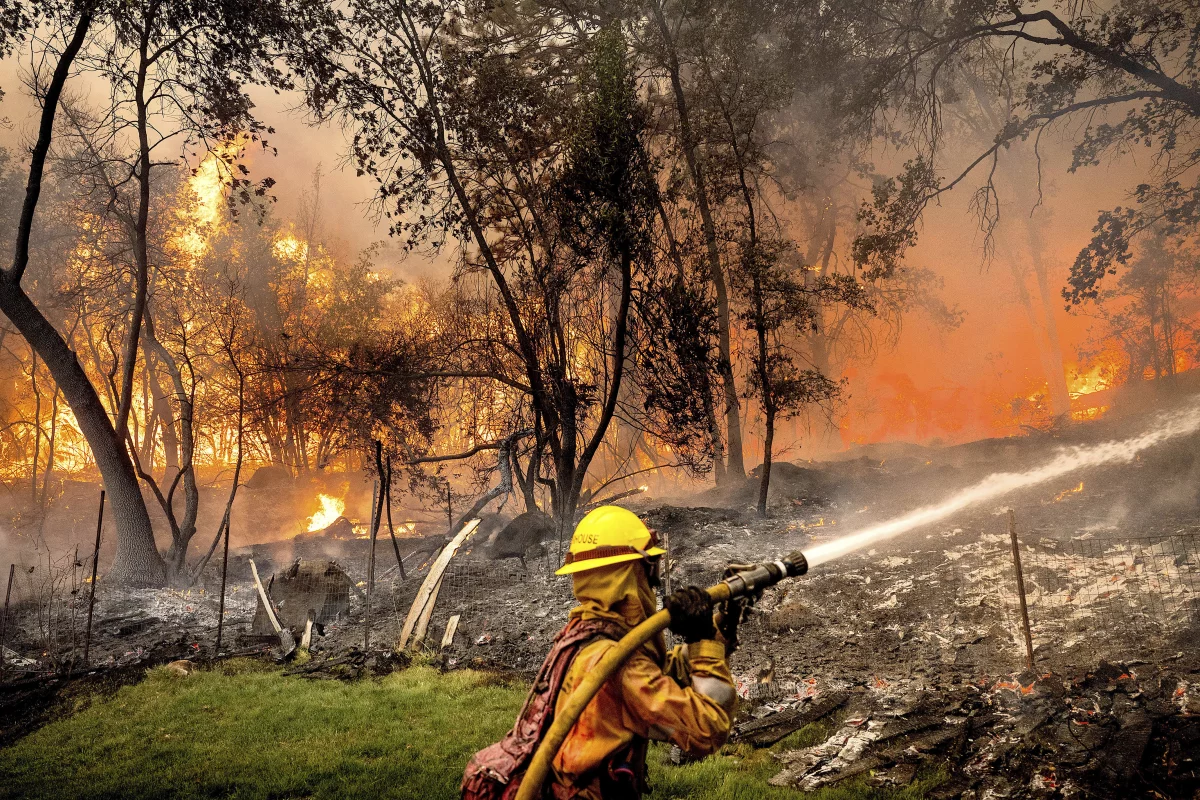
California Wildfire Damage Drop is being reported in several parts of the state after years of severe wildfire seasons. New data shows that some regions have seen less destruction compared to previous years. Officials say improved forest management, early warning systems, and controlled burns are key reasons behind the change.
State agencies have increased efforts to reduce dry fuel in forests. This includes removing dead trees, clearing dry brush, and improving land management practices. These steps help slow down the spread of fires when they start. Experts say this makes wildfires easier to control in many areas.
Controlled burns are also playing a major role in reducing wildfire risk. These planned fires remove excess vegetation under safe conditions. This helps prevent larger, uncontrolled wildfires in the future. Fire teams carefully monitor weather and wind before using this method.
California Wildfire Damage Drop is also linked to better early warning systems. New technology helps detect fires faster than before. Satellite tools and ground sensors can spot smoke and heat in early stages. This allows fire crews to respond quickly and reduce damage.
Officials say faster response times have helped protect homes and communities. Firefighters can reach danger zones earlier and control fires before they spread widely. This has reduced large-scale destruction in some high-risk regions.
Experts note that climate conditions still remain a major challenge. Hot temperatures and dry weather continue to increase fire risks. However, improved preparation is helping reduce the worst impacts.
Local governments are also investing in community safety programs. Residents are being trained on evacuation plans and fire safety steps. Public awareness campaigns help people prepare during high-risk fire seasons.
Insurance companies are closely watching wildfire trends in California. Lower damage in some areas may reduce long-term financial risks. However, risks remain high in many parts of the state.
Forest experts say long-term management is essential. Without regular maintenance, dry fuel can build up again. This could increase future wildfire risks. Continuous funding and planning are needed to keep progress stable.
Technology is also improving wildfire prediction models. Scientists use data from weather patterns, soil conditions, and vegetation growth. These models help identify high-risk zones earlier.
Fire response teams are now better equipped with advanced tools. Drones, satellite images, and mobile systems help track fire movement. This improves coordination during emergency situations.
California Wildfire Damage Drop does not mean wildfire risk is gone. Experts warn that extreme fire events can still happen. Climate change continues to make conditions more unpredictable.
Controlled burns are expanding across more regions in the state. These programs are carefully planned with environmental experts. They aim to restore natural fire cycles in forests.
Environmental groups support many of these prevention efforts. They say proactive management is better than reacting to large disasters. However, they also stress the need to protect wildlife habitats during burns.
Some rural areas still face high fire risk due to dense forests and limited access roads. Authorities are working to improve infrastructure in these regions. This includes better roads and water supply systems for firefighting.
Public cooperation is also important in reducing wildfire damage. Residents are encouraged to clear vegetation near homes. This creates buffer zones that slow fire spread.
Experts say the combination of science, technology, and management is showing results. But they also warn that continued effort is needed every year.
California Wildfire Damage Drop highlights progress, but it is part of a longer battle. Officials say long-term planning will decide future outcomes. The goal is to reduce destruction while adapting to a changing climate.
