

Close Menu
    What's Hot

    US Weighs Somaliland Recognition Amid China Rivalry

    April 16, 2026

    Nairobi Floods: A City-Wide Economic Risk from Slums

    April 16, 2026

    US Foreign Policy Continuity: Beyond Election Noise

    April 15, 2026
    Facebook X (Twitter) Instagram
    Trending
    • US Weighs Somaliland Recognition Amid China Rivalry
    • Nairobi Floods: A City-Wide Economic Risk from Slums
    • US Foreign Policy Continuity: Beyond Election Noise
    • Cosmopolitan Regionalism: A New Global Order Emerges
    • Iran Regime Collapse: Israeli Strikes Target Basij Checkpoints
    • Bosnia’s Islamist Drift: A Growing Concern on Europe’s Doorstep
    • Once-weekly insulin therapy FDA approval in US now
    • Reclaiming Iran: The Rise of National Consciousness
    MirnewsMirnews
    • General
    • World
    • Finance
    • Money
    • Lifestyle
    • More
      • Culture
      • Travel & Tourism
      • Environment & Sustainability
    Subscribe
    • Latest News
    • Politics
    • Opinion
    • Business
    • Technology
    • Sports
    • Health
    • Education
    • Entertainment
    MirnewsMirnews
    Home»News»Nairobi Floods: A City-Wide Economic Risk from Slums
    News

    Nairobi Floods: A City-Wide Economic Risk from Slums

    Mir NewsBy Mir NewsApril 16, 2026No Comments3 Mins Read
    Facebook Twitter LinkedIn Telegram Pinterest Tumblr Reddit WhatsApp Email
    Share
    Facebook Twitter LinkedIn Pinterest Email

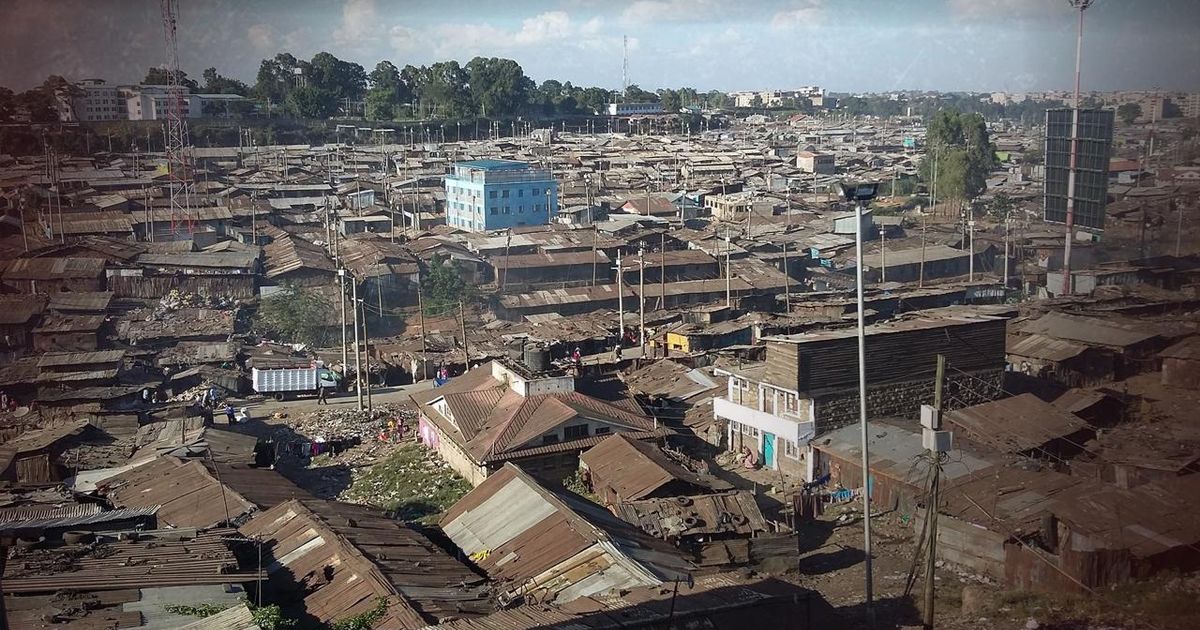
    Nairobi’s informal settlements are on the front lines of a worsening climate crisis, as extreme rains transform localized floods into a national economic threat. With over half of Nairobi’s population residing in tightly packed homes along flood-prone rivers or low-lying areas—locations once deemed ‘cheap’ but now deadly traps—the city is experiencing a profound shift. The increased unpredictability and intensity of rainfall, a direct consequence of climate change, means families in Mathare, Kibera, and Kawangware frequently wake to water-filled homes, losing vital possessions, businesses, and weeks of school for their children. This is no longer merely bad weather; it’s a systemic failure threatening the very fabric of Nairobi’s burgeoning economy and its people.

    The catastrophic floods of 2024, still fresh in memory, saw rivers like the Nairobi and Athi overflow, causing hundreds of deaths nationwide and displacing tens of thousands in Nairobi alone. Informal settlements bore the brunt, with homes washed away, livelihoods destroyed, and the spread of diseases like cholera due to contaminated floodwaters. Early 2026 continues this pattern, with flash floods crippling daily life and local businesses. The informal sector, which drives 50-80% of jobs in cities across the Global South and significantly contributes to Kenya’s urban economy, is particularly vulnerable. When street vendors, small traders, and mechanics cannot operate, the ripple effect is immense: families can’t pay rent, children miss school, and the nation faces an estimated 5.5% GDP loss every seven years due to flood-related damages, with urban areas taking the largest hit. Women and children in these settlements are disproportionately affected, facing increased health risks, educational disruption, and vulnerability to violence.

    The worsening situation is a confluence of climate change and inadequate urban planning. Heavier, more intense rainfall is now the norm, yet Nairobi’s drainage systems are outdated, designed for a much smaller population. Blocked waterways, accumulation of plastic waste, and unchecked construction on wetlands leave water with nowhere to go but into homes. While communities in Kibera and Mathare are demonstrating incredible resilience through grassroots efforts—planting trees, using sandbags, and advocating for better planning—these initiatives require significant government support to scale effectively. Official responses have been piecemeal; announcements of relocations and riparian zone enforcement after 2024 often lacked proper compensation, forcing residents back to dangerous areas. Despite national action plans prioritizing flood control and early warning systems, implementation lags due to funding delays and corruption.

    The economic threat to Nairobi, a major contributor to Kenya’s GDP through its services, tech, and manufacturing sectors, is undeniable. Repeated floods disrupt supply chains, damage critical infrastructure, and deter investors seeking stability. High youth unemployment is exacerbated when small businesses cannot recover, pushing the country’s growth trajectory downwards and increasing poverty and migration pressures. The path forward is clear: include informal settlement residents in urban planning, invest in resilient infrastructure like improved drainage and green spaces, enforce building regulations fairly, and provide affordable housing alternatives. Scaling community-led adaptation and securing global support, including debt relief for climate adaptation, are crucial. For Nairobi, the rain is now a stark warning: ignoring the vulnerability of informal settlements will only make the next disaster a far more expensive and tragic reckoning for the entire city.

    Share. Facebook Twitter Pinterest LinkedIn Tumblr Telegram Email
    Previous ArticleUS Foreign Policy Continuity: Beyond Election Noise
    Next Article US Weighs Somaliland Recognition Amid China Rivalry
    Mir News
    • Website

    Related Posts

    US Weighs Somaliland Recognition Amid China Rivalry

    April 16, 2026

    US Foreign Policy Continuity: Beyond Election Noise

    April 15, 2026

    Cosmopolitan Regionalism: A New Global Order Emerges

    April 15, 2026
    Add A Comment
    Leave A Reply Cancel Reply

    Latest News

    Reclaiming Iran: The Rise of National Consciousness

    April 14, 2026

    US Eyes Polisario as Security Threat Amid Iran Tensions

    April 14, 2026

    Iran: The World’s Most Dangerous Geopolitical Chokepoint State

    April 14, 2026

    The Unshakable Cracks: Decoding Orbán’s Fidesz Decline in Hungary

    April 13, 2026

    Seahawks Stifle Patriots to Secure Second Super Bowl Title

    Sports February 9, 2026

    The Seattle Seahawks crushed the New England Patriots with an unrelenting defensive performance, winning the…

    Southern Africa’s Quiet Turn Westward: Economic Shift Drives New Alliances

    April 10, 2026

    Stand with the Constitution for coexistence: Bilimale

    September 12, 2025

    West Ham Add Pablo and Line Up Castellanos in £47m January Push

    January 3, 2026

    Mir News brings you fresh stories, news, culture, and trends from the United States and beyond — your daily source for insight, inspiration, and authentic perspectives.

    We're social. Connect with us:

    Facebook Instagram
    Categories
    • Business
    • Culture
    • Education
    • Entertainment
    • Environment & Sustainability
    • Health
    • Media
    • News
    • Opinion
    • Real Estate
    • Sports
    • Technology
    • Travel & Tourism
    Latest News

    US Weighs Somaliland Recognition Amid China Rivalry

    April 16, 2026

    Nairobi Floods: A City-Wide Economic Risk from Slums

    April 16, 2026

    US Foreign Policy Continuity: Beyond Election Noise

    April 15, 2026
    All Rights Reserved © 2026 Mirnews.
    • Contact Us
    • Privacy Policy
    • Terms and conditions
    • Disclaimer
    • Imprint

    Type above and press Enter to search. Press Esc to cancel.