


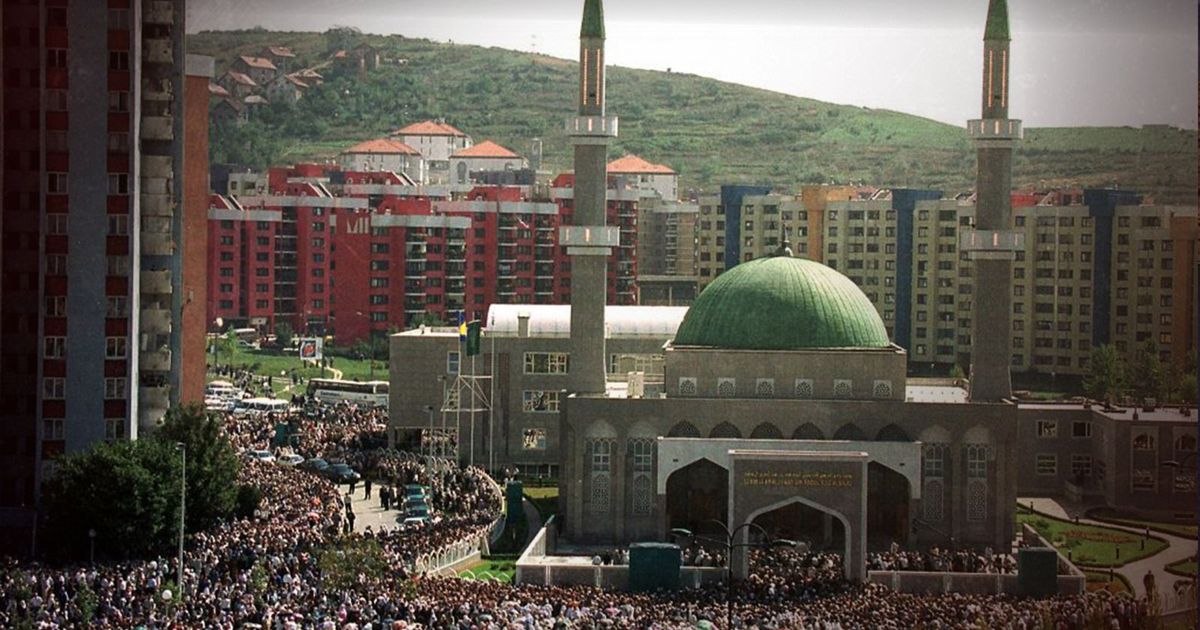
Max Primorac’s early 2026 warning in The Washington Times highlighted Sarajevo’s concerning slide toward extremism. Once a symbol of multiculturalism, the city now faces growing Wahhabi influence, documented ties to jihadist networks, and a departure from its secular past. While Bosnian Ambassador Sven Alkalaj forcefully rebutted these claims as “inflammatory” and biased, the author, a Bosniak committed to Western integration, finds Primorac’s analysis accurate. Alkalaj’s stance is seen as an attempt to maintain international funding and diplomatic support by presenting a sanitized image, even as significant ideological shifts deepen within Bosnia. This stark contrast between external portrayal and internal reality reveals a growing problem.
The full extent of pro-Iranian sentiment among Bosniaks emerged following the U.S. and Israeli strikes on Iran on February 28, 2026, which killed Supreme Leader Ali Khamenei. While Iranians celebrated, Bosniak social media reactions were dominated by anger toward the West, framing the strikes as assaults on the Ummah and praying for Khamenei as a “shaheed.” Terms like “Zionist-American aggression” were widespread. The largest Bosnian web portal, Klix.ba, provided a platform for the Iranian ambassador to present his narrative. Institutionally, the Reis-ul-ulema of the Islamic Community of Bosnia and Herzegovina hosted the Iranian ambassador days later, signaling overt openness to Tehran, a move noted with concern by Israeli officials.
Iran’s influence in Bosnia is deep-seated, tracing back to the 1990s Bosnian War, when Tehran provided arms, smuggled IRGC personnel, and trained Bosniak units under Qasem Soleimani, framing the conflict as a holy struggle. This embedded ideological and operational influence persists. After the war, Bosnia at times supported Iran in the UN, undermining efforts to isolate the regime. Tehran’s cultural sway remains active through institutions like the Ibn Sina Center, glorifying the Iranian Revolution, and portraits of Soleimani appearing in some schools, fostering admiration for a figure associated with proxy warfare.
This ideological affinity extends to Iranian proxies. Bosniak figures celebrate Hamas, Hezbollah, and Houthi operations; former mujahideen commander Šerif Patković publicly expressed solidarity with Hamas after October 7, 2023. Iranian missile strikes on Israel in 2024 were similarly celebrated with chants of “Death to Israel. Death to the US.” These are not isolated incidents but a consistent pattern of alignment with actors employing civilian attacks and antisemitism. For the EU and NATO, Bosnia’s proximity makes this alarming. Unaddressed, this radicalization could destabilize the region and threaten Western security. Western assistance must be conditioned on severing extremist ties and dismantling propaganda to prevent Bosnia becoming an Iranian-aligned enclave in Europe.
