


For sixteen years, Viktor Orbán’s Fidesz party seemed an unshakeable force in Hungary, built on restoring parliamentary dominance and national self-confidence. However, its central error became glaringly obvious as the 2026 election approached: confusing deep institutional control with ongoing social consent. The party persistently framed its campaigns around geopolitical struggles—war in Ukraine, Brussels, sovereignty, foreign interference—a message that had proven effective in the past. Yet, this time, a significant portion of the electorate appeared less swayed by distant drama and more yearning for change, a quality Fidesz itself once embodied but increasingly resisted. What once appeared as sovereign realism morphed into estrangement; a perceived over-reliance on figures like Putin and Trump, too many vetoes, and an abundance of symbolic conflicts overshadowed a clear lack of attention to pressing local issues such as healthcare, stagnant wages, and crumbling infrastructure. Reports detailing Orbán’s continuous clashes with Brussels and his frequent use of veto power fostered a pervasive sense that the government was expending more political capital on external battles than on addressing the everyday frustrations of its citizens.
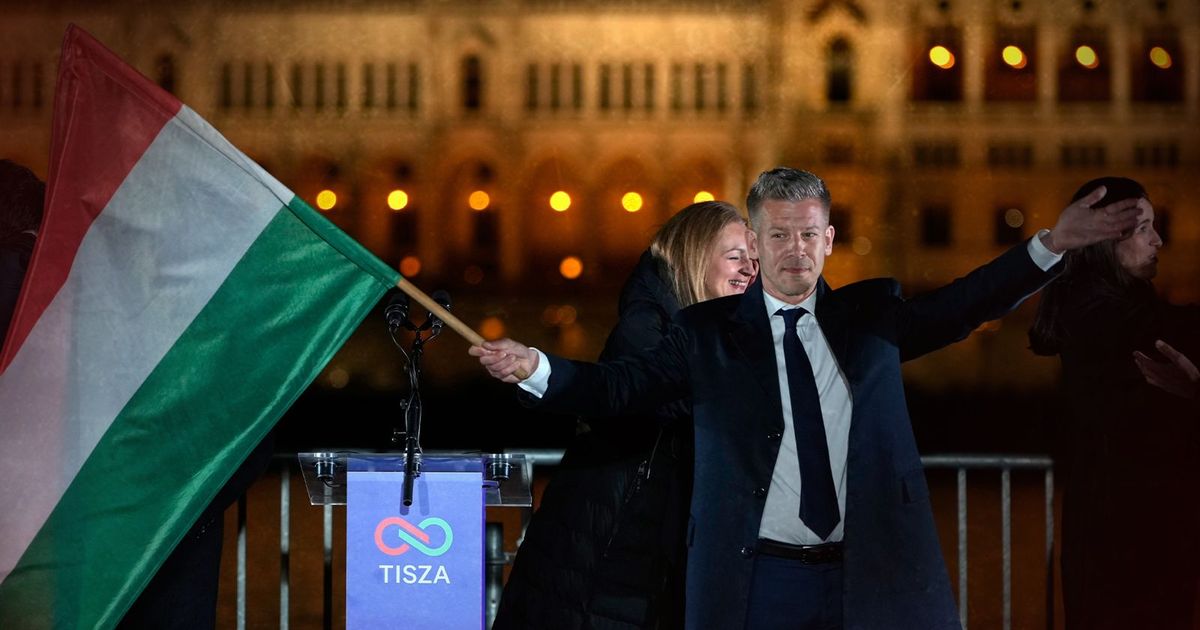
This estrangement highlighted a deeper lesson of prolonged incumbency: even strong governing parties eventually grow stale. Fidesz fell into the classic trap of the indispensable leader, with Orbán transforming himself into a global reference point for the Right. While this projected historical weight abroad, domestically, he increasingly symbolized the closed, aging face of a long-standing system. To many Hungarians, Orbán no longer represented the disciplined nation-builder of his earlier years but rather an overexposed icon. This perception was particularly damaging as the generational gap widened dramatically, with younger voters migrating towards new opposition movements like TISZA, while Orbán’s message resonated predominantly with older demographics. The 2026 election, therefore, became a risky referendum on Orbán himself after sixteen years in power, signaling a lack of renewal or adaptation. Fidesz remained largely led by its founding generation, and its campaign fixated on established leaders and political contestants, failing to present a broader rejuvenation of personnel or message. This internal rigidity was compounded by electoral system redesigns since 2011, which weakened real representation and further centralized politics around personalities, inadvertently creating an opening for a strong challenger like Péter Magyar.
Orbán’s third critical error was his excessive faith in the centralized “big-state model” that had initially made Fidesz so formidable. While it fostered a disciplined state suitable for a small nation, it also relied on relentless centralization and a persistent disdain for robust civil society. Instead of cultivating a broad, organic conservative civic ecosystem, Fidesz increasingly channeled resources into aligned foundations, think tanks, and quasi-civic structures. These entities, while consuming vast sums, often appeared more effective at rewarding insiders than genuinely persuading society. Even late campaign efforts felt manufactured, reinforcing the impression of a system capable of mobilizing power but no longer generating authentic trust. Over its sixteen-year tenure, Fidesz asserted central political influence across key institutions, cultural bodies, public media, and law enforcement, expanding state ownership in strategic sectors. While this sometimes yielded short-term gains, it deepened dependence on political control. Simultaneously, an economy championed as nationalist became increasingly reliant on subsidized export production and foreign labor, leading to public distrust and politically contested official statistics, further eroding the state’s perceived competence and credibility.
Despite family policy being a distinctive element of its governing record, Fidesz’s fourth mistake was transforming the “war for children” into a source of state pressure for many families. While generations benefited from significant tax relief, housing support, and subsidies, this did not translate into automatic party loyalty. The contradiction became apparent as family support was paired with an increasingly intrusive, state-centered moral philosophy. Language concerning children’s “proper” development aligned with Hungary’s constitutional and Christian identity pleased the ideological core but shifted the focus towards state supervision, manifesting in compulsory kindergarten, centralized public education, and an intrusive public-health culture, restricting perceived family freedoms. These inconsistencies were severely exploited by the opposition, particularly when linked to the government’s own child-protection scandals and moral vulnerabilities, such as the 2024 pardon affair that propelled Péter Magyar’s rise. This allowed the opposition to highlight the hypocrisy of a party preaching child protection while being wounded on that very issue. Furthermore, Fidesz’s attempts to build a nationally rooted economic elite increasingly resembled the politically toxic enrichment of Orbán’s inner circle, transforming the corruption question from a minor irritation into a central political indictment. The government, by 2026, could no longer credibly present the economy as an unquestionable success, and the system began to look like a network of patronage defending its beneficiaries, eroding public confidence and offering no hope of change.
