


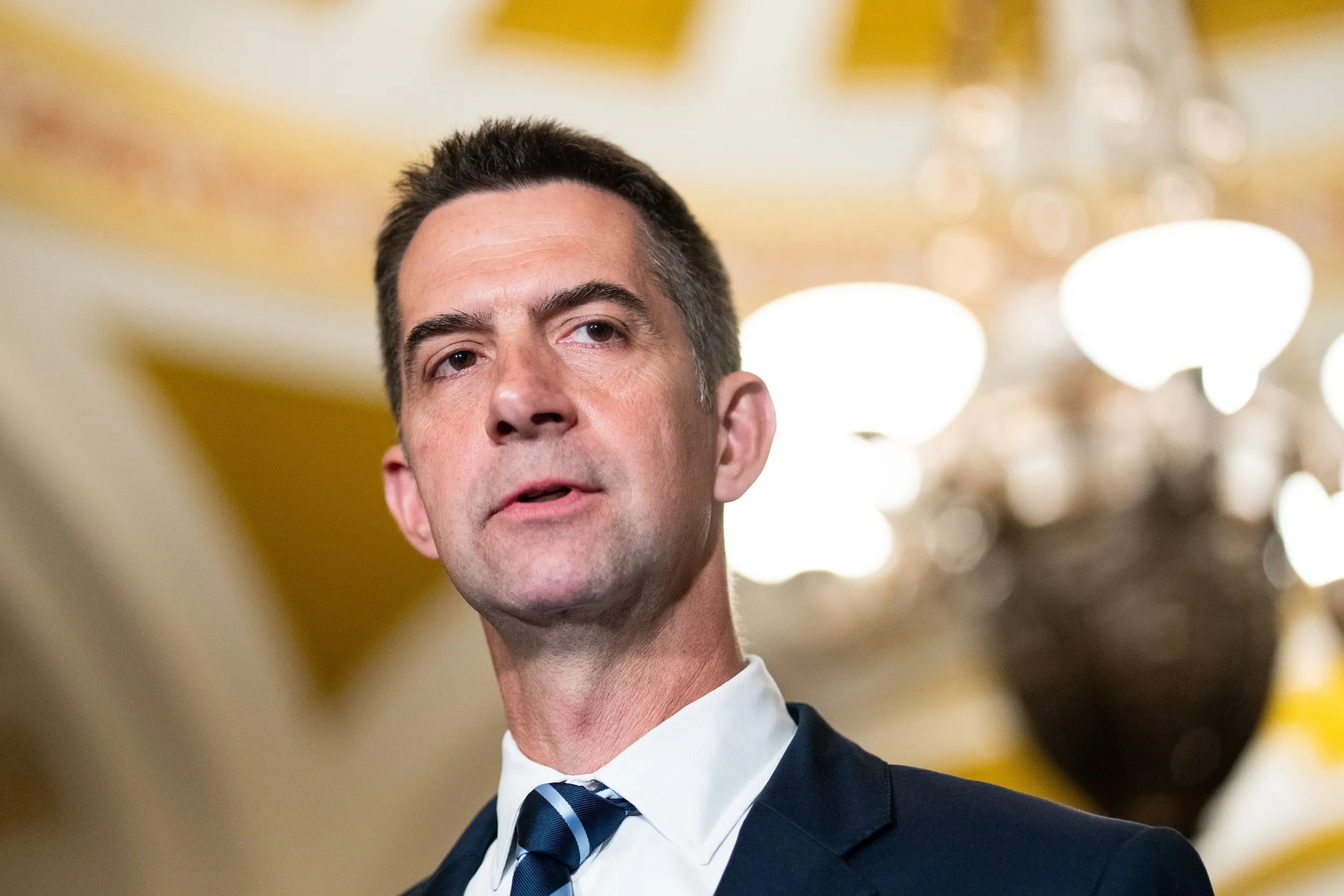
A debate over the future of clock changes in the United States has moved back into the spotlight as President Donald Trump and Senator Tom Cotton publicly disagree over a proposal to make daylight saving time permanent.
The dispute centers on the Daylight Saving Time Bill, known as the Sunshine Protection Act. The legislation would end the practice of moving clocks forward in the spring and back in the fall. Supporters say the change would simplify daily life and provide more evening daylight throughout the year.
The House approved the measure in July, but its path through the Senate remains uncertain. Several lawmakers have expressed concerns about the possible effects of permanent daylight saving time during the winter months.
Trump renewed his support for the bill on Saturday and urged Cotton, a Republican senator from Arkansas, to back the proposal. The president argued that Americans are tired of adjusting clocks twice each year and would benefit from a permanent time system.
Speaking before traveling to a campaign rally, Trump said the clock changes create inconvenience for families and workers. He described the process as unnecessary and disruptive.
According to Trump, many people spend time adjusting clocks in homes, offices, and other places after each seasonal change. He believes ending the practice would remove a common frustration and make life easier for millions of Americans.
The president also said more evening daylight would allow people to spend additional time outdoors after work and school. Supporters of the bill have often pointed to recreation, shopping, and community activities as possible benefits of longer daylight hours in the evening.
Cotton remains one of the most vocal opponents of the proposal. The senator responded on social media by explaining that his opposition is based on concerns about winter mornings.
He noted that Congress has approved permanent daylight saving time in the past but later reversed the decision. Cotton argued that public opinion changed when people experienced very late sunrises during the winter season.
The Arkansas senator said many families would not support children traveling to school before daylight. He warned that darker mornings could create safety concerns for students, parents, and commuters.
Cotton also emphasized that his position reflects the views of many people in Arkansas. He said protecting the interests of his state remains his priority.
The disagreement quickly became one of the most discussed political exchanges of the day. Trump responded by insisting that permanent daylight saving time would provide benefits for Arkansas residents and people across the country.
The issue has long divided lawmakers, experts, and the public. While there is broad agreement that many Americans dislike changing clocks twice each year, there is less agreement on what should replace the current system.
Some experts favor permanent standard time, while others support permanent daylight saving time. Each option offers different benefits and challenges depending on the season and geographic location.
Supporters of the Daylight Saving Time Bill argue that more daylight during the evening can improve daily life. They believe people are more likely to participate in outdoor activities, spend time with family, and support local businesses when daylight lasts later into the day.
Critics focus on the impact of darker mornings. They argue that reduced morning light could affect travel, school schedules, and public safety during winter.
The debate has become increasingly important as lawmakers continue to examine possible changes to national time policies. Although the House has already approved the legislation, Senate support remains divided.
As a result, the bill’s future is still unclear. Senate leaders must decide whether the proposal has enough support to move forward.
For now, the Daylight Saving Time Bill remains at the center of a national discussion about how Americans measure time. The latest exchange between Trump and Cotton shows that the issue continues to generate strong opinions, even among members of the same political party.
With the Senate still considering the proposal, the debate over clock changes is likely to continue in the months ahead.
