


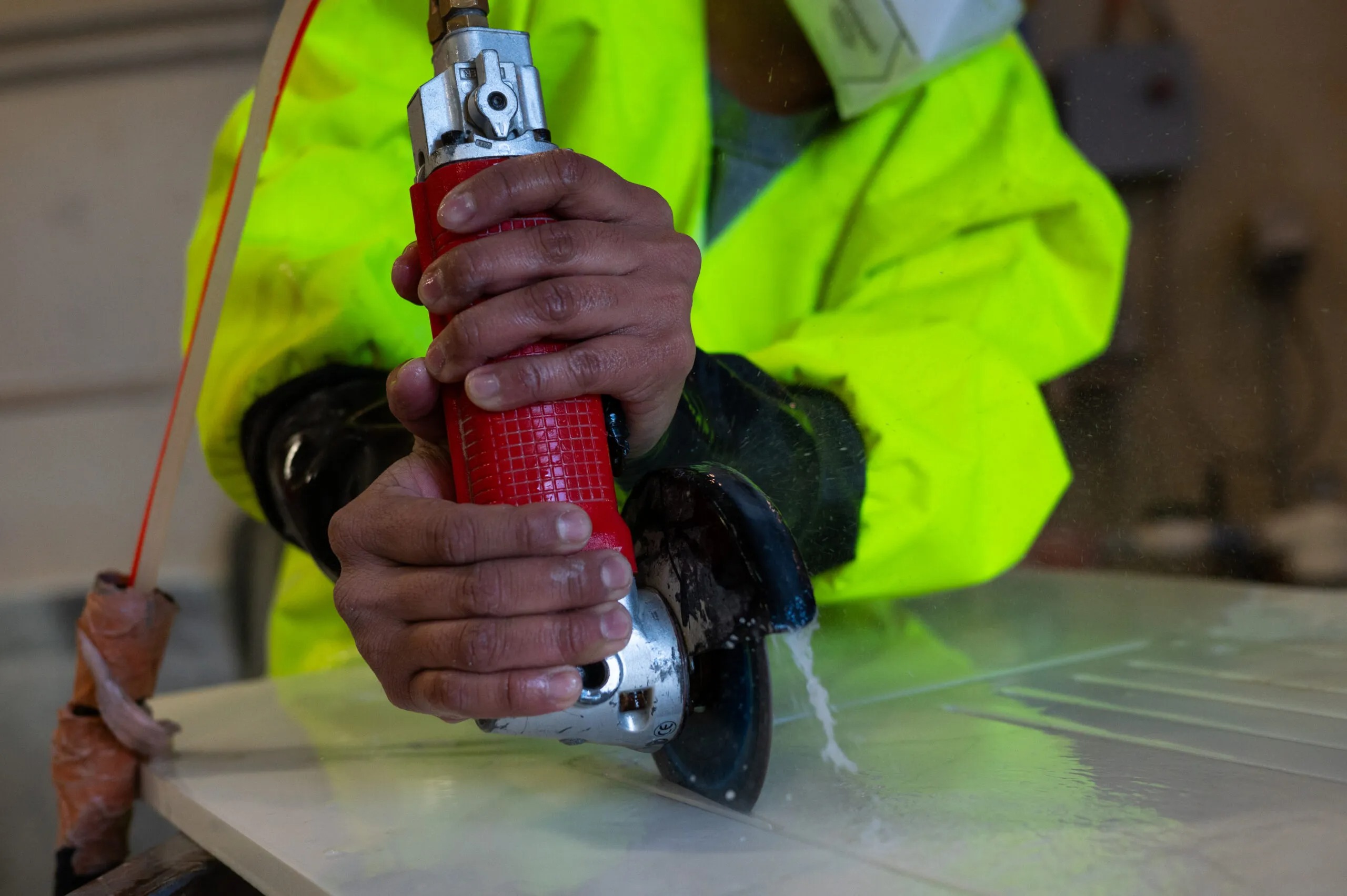
A major health crisis affects artificial stone workers across California. Men who shape and polish quartz slabs face a grave danger. Cutting this popular material creates an unsafe airborne dust. Inhaling the tiny dust particles leads to silicosis. Silicosis is a fatal lung illness with no known cure.
A recent medical report highlights the growing spread of this disease. Experts monitored health data over a seven year period. They identified hundreds of sick stone cutters during this timeframe. The condition moves quickly and damages healthy tissue. Scars build up in the lungs, making simple breathing difficult.
The findings appear in the New England Journal of Medicine. The study reveals a heavy burden on local stone workers. Many young adults face permanent lung failure from their daily jobs. Some patients rely on medical machines to breathe. Others must stop working entirely due to severe pain and weakness.
Hospital records show that dozens of sick workers required lung transplants. Tragically, many men have lost their lives to the disease. The average patient receives a diagnosis at just forty-six years old. Almost all identified cases involve Latino men. Most affected individuals worked in small cutting facilities with minimal dust controls.
Engineered quartz contains much more silica than natural granite or marble. Cutting or grinding the material sends massive dust clouds into the room. Workers breathe in invisible particles without proper protection. The silica trapped inside the chest leads to chronic inflammation. Common warning signs include a persistent cough, chest tightness, and shortness of breath.
State safety leaders created strict guidelines to shield shop employees. Cutting machines must use continuous water flows to trap loose dust. Facilities need specialized dust vacuums and clean air systems. Staff must wear heavy duty respirators while cutting stone slabs. State agencies also require clinics to report every new silicosis case.
However, medical professionals warn that workers still face high risk on the job. Proper air systems and wet cutting tools are costly to install. Small business owners sometimes fail to run protective gear to cut costs. Inspecting every shop remains a huge challenge for state officers. Inspectors examine only a fraction of shops annually, and most show safety violations.
Concerned health advocates urge leaders to ban artificial quartz products entirely. They argue that basic masks cannot block all toxic silica dust. Australia enacted a nationwide ban on synthetic stone for this exact reason. Australian manufacturers now produce safer alternative slabs with far less silica content.
Fixing this health crisis requires aggressive steps from government officials. Medical providers must recognize silicosis symptoms early in patients. Regulators need more authority to shut down noncompliant factories. Stronger legal standards are vital to halt disease transmission in stone fabrication. Without sweeping reform, more factory workers will suffer from silica dust exposure.
State officials continue updating official tracking systems with fresh case reports. Data shows that illness rates continue rising across the state. Worker defense groups now provide medical guidance to affected family members. They demand better education, frequent shop checks, and safer labor practices.
Preventing silicosis depends on rigid compliance with modern air rules. Shop owners must value employee health over quick production turnaround. Every cutter deserves clear safety instruction in a language they understand. Stronger protection for stone cutters is critical to stop future workplace fatalities.
