


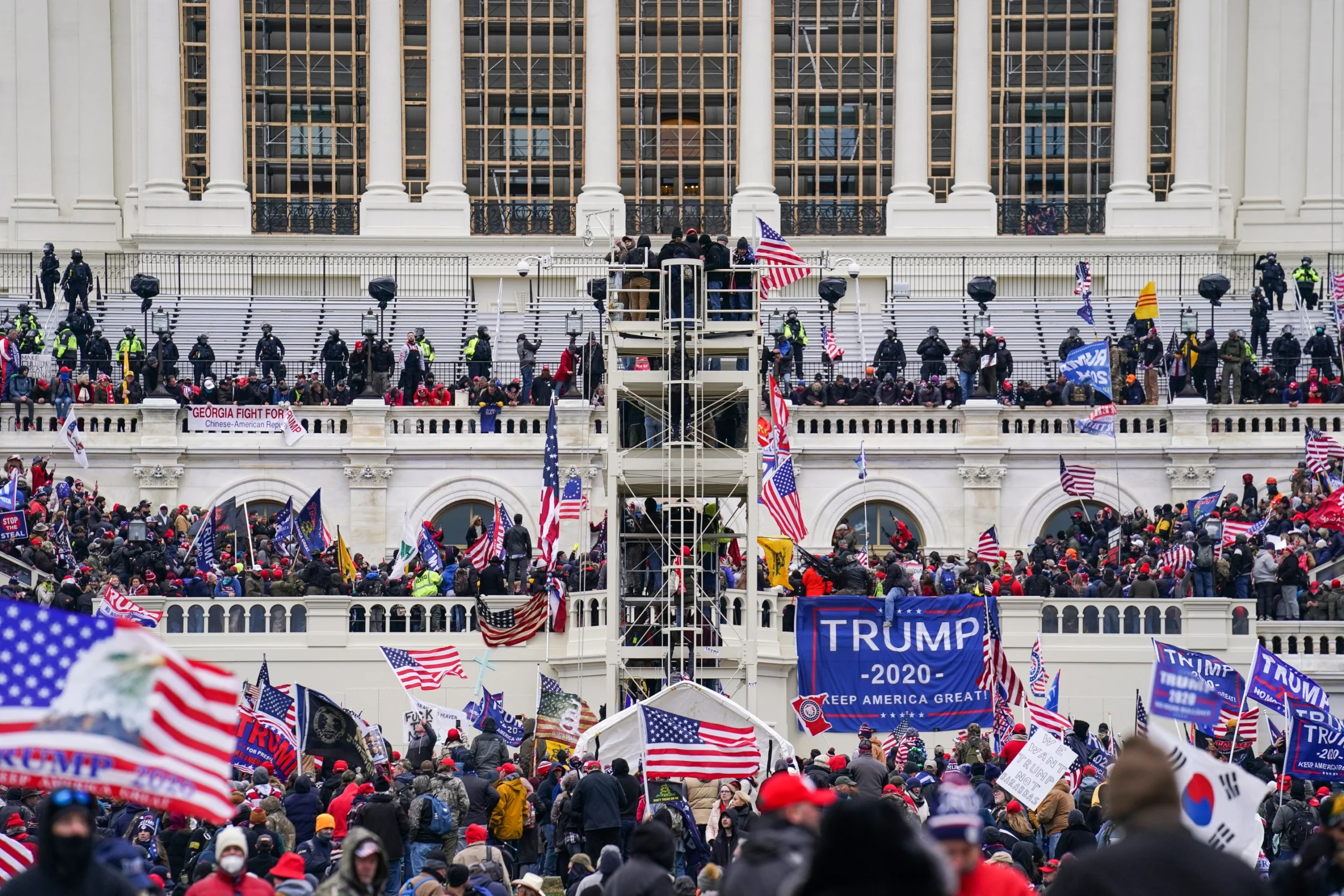
A growing political storm is building around a new Capitol riot compensation fund after supporters of Donald Trump and some Jan. 6 defendants began seeking payouts despite legal and political challenges. The fund, valued at about $1.8 billion, was created as part of a settlement tied to Trump’s lawsuit involving claims of government “weaponization.” Now it has become a flashpoint in the ongoing debate over the events of January 6, 2021.
Some individuals convicted in connection with the Capitol attack are openly discussing how they plan to apply for money. In several cases, former defendants have described the fund as a form of repayment for what they believe were unfair prosecutions. Others are even offering services to help applicants file claims, despite the fact that no official application system has been launched.
One former attorney, David Johnston, who pleaded guilty for entering the Capitol, has offered to help other so-called “J6ers” apply for compensation in exchange for a 10% fee. He has said publicly that he believes public opinion around the events of that day is shifting. Johnston previously served a short jail sentence and later admitted his actions were wrong, calling them a “dumb” decision during his sentencing.
The idea that Capitol riot defendants could receive taxpayer-funded payouts has sparked strong criticism. Opponents argue the fund risks rewriting the history of the attack and turning convicted offenders into victims. They say it undermines accountability for one of the most serious assaults on American democratic institutions in recent history.
However, supporters of the fund argue that some individuals were unfairly targeted during investigations and prosecutions tied to political tensions. They claim the compensation program is meant to address broader concerns about government overreach. Acting Attorney General Todd Blanche has said there are no strict limits yet on who can apply, but final decisions will rest with a group of appointed commissioners.
Those commissioners have not yet been named. Officials say they will review claims based on factors such as individual conduct, sentencing history, and time served in prison or detention. This uncertainty has added to confusion, with some applicants already preparing claims before the system is even fully established.
Legal experts say it remains unclear whether convicted Jan. 6 defendants will ultimately be eligible. A federal judge in Virginia has temporarily blocked the fund’s operation, freezing the processing of claims while legal challenges continue. The ruling is one of several lawsuits questioning the legality of the program.
Political divisions over the fund are also deepening in Congress. Some Republican lawmakers have expressed anger over the proposal and are pushing for restrictions through upcoming spending legislation. Others are still debating how far eligibility should extend and whether taxpayer money should be used at all.
Public reaction remains sharply divided. Some former defendants say they believe they were unfairly treated and are entitled to compensation. One rioter described the fund as “good news” for people who feel they were victims of political targeting. Another said it represented “payback” for what he called government overreach.
At the same time, other former participants in the Capitol attack have rejected the idea entirely. One military veteran who served a short jail sentence said accepting money would feel wrong and said the group was not innocent. He emphasized that people involved were responsible for their own actions on that day.
Victims of the attack and law enforcement officials who defended the Capitol have also pushed back strongly. Legal advocates representing police officers argue that the fund could distort the historical record of January 6 and weaken accountability for violence against government institutions.
Nearly 1,600 people were charged in connection with the Capitol riot. More than 1,200 were convicted before former President Trump issued pardons and ordered the dismissal of remaining cases. The mass clemency has already reshaped how the events are being discussed in political circles, and the new compensation fund has intensified that debate further.
As legal battles continue and the fund remains on hold, uncertainty surrounds whether any payments will ever be made. For now, the proposal has become a powerful symbol in the ongoing struggle over how the January 6 events are remembered, interpreted, and judged in American politics.
