


The role of global soft power leaders is drawing new attention as figures like kings, popes, and religious leaders increasingly influence political discussions without directly entering politics.
Recent events involving King Charles III and Pope Leo XIV have highlighted how symbolic leaders continue shaping international debates during a time of rising political division and nationalism.
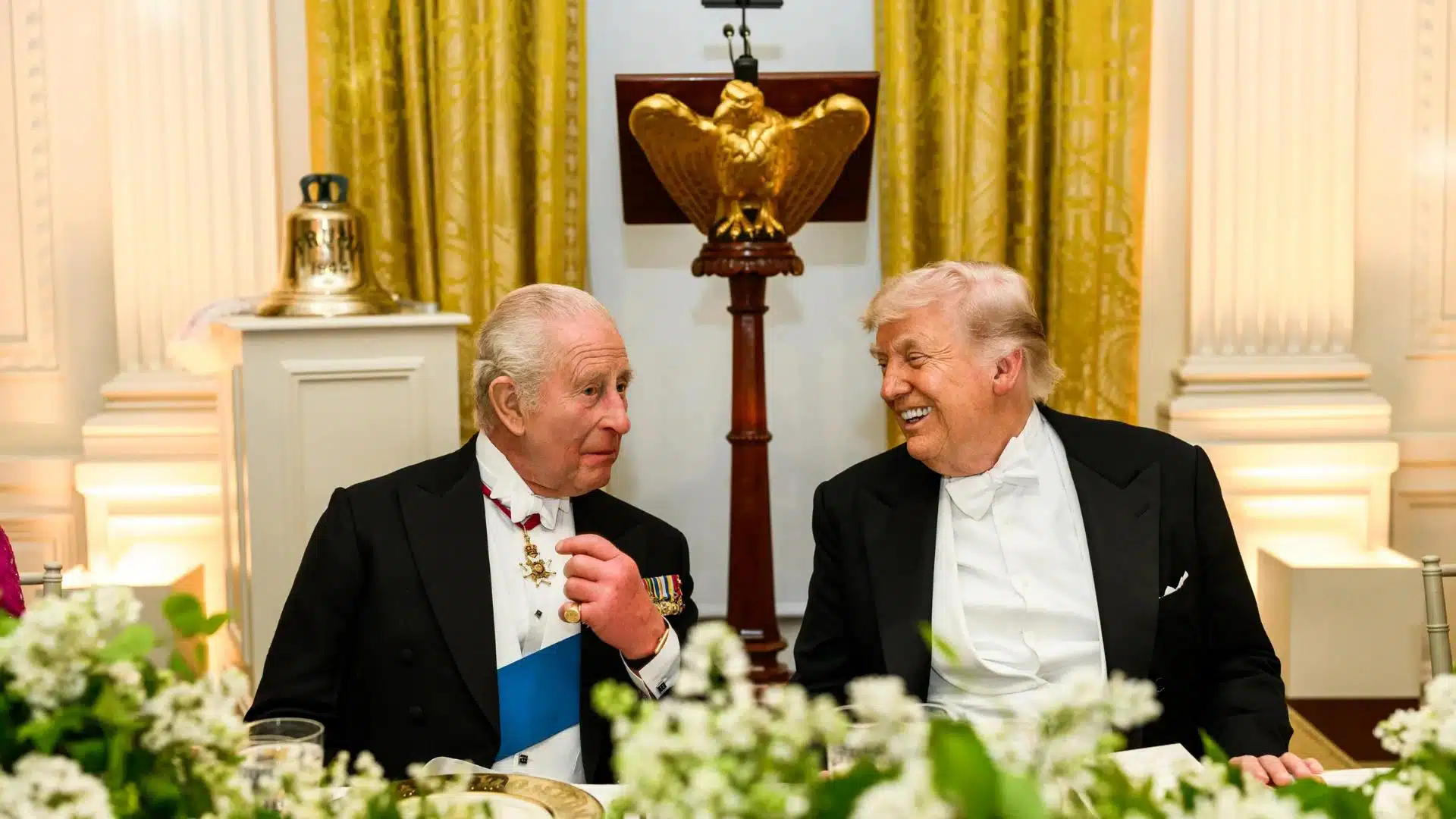
King Charles recently attracted major attention during a state visit to the United States. His appearance before Congress and meetings with American leaders were widely viewed as a diplomatic success for the United Kingdom.
Observers described the visit as an example of modern soft power diplomacy. The British monarch used humor, symbolism, and historical references to connect with political leaders while carefully avoiding direct political intervention.
During his speech in Washington, Charles highlighted democratic traditions shared between Britain and the United States. He referred to the Magna Carta, the historic document that established limits on royal authority centuries ago.
Political analysts said the reference carried a deeper message about checks and balances in democratic systems. Without directly criticizing any leader, Charles appeared to stress the importance of respecting institutions, laws, and constitutional limits on power.
Modern constitutional monarchs are expected to remain politically neutral. However, they often have room to speak about broad global values such as democracy, unity, climate change, and social stability.
The growing attention around global soft power leaders comes as many countries face political polarization, rising nationalism, and debates over democratic values.
At the same time, religious figures continue playing influential roles in global discussions.
Since becoming the first American pope, Pope Leo XIV has spoken openly about several controversial issues, including immigration, armed conflict, nationalism, and artificial intelligence.
Some of his comments have reportedly created tension with parts of the American political right, especially supporters of President Donald Trump.
The pope has warned about the risks of extreme nationalism and has expressed concerns over restrictions on migrants and refugees. He has also raised questions about the ethical dangers linked to the rapid expansion of artificial intelligence technologies.
Supporters view these statements as moral guidance from a global religious figure. Critics argue that religious leaders should avoid political topics and focus only on spiritual matters.
Still, history shows that popes have often shaped international events far beyond religion.
Pope John Paul II was widely credited with influencing political change during the final years of communist rule in Eastern Europe. His support for democratic movements in Poland became one of the defining moments of his papacy.
Experts say the influence of symbolic leaders is different from traditional political power. Unlike elected politicians, monarchs and religious figures often hold long-term positions that allow them to build moral authority over decades.
Politicians frequently face elections, party battles, and changing public opinion. Symbolic leaders, by contrast, can focus on larger historical or humanitarian themes without direct involvement in daily political disputes.
Another important figure often mentioned in discussions about moral influence is Dalai Lama. The Dalai Lama has spent decades speaking about peace, compassion, and global unity while criticizing violence and political extremism.
His comments on leadership, morality, and democracy have drawn global attention over many years.
Experts believe global soft power leaders can sometimes influence public opinion more effectively than politicians because they are seen as representing values rather than political parties.
At the same time, critics warn that even symbolic figures can become controversial when speaking on divisive issues such as immigration, climate policy, war, or national identity.
King Charles has regularly spoken about environmental protection and climate change, issues that sometimes divide political audiences. Pope Leo XIV has also faced criticism for progressive positions that challenge nationalist movements in several countries.
Still, supporters argue that silence from influential moral figures could leave important global debates entirely in the hands of political leaders and partisan interests.
As geopolitical tensions continue growing across many regions, some analysts believe symbolic figures may play a larger role in promoting diplomacy, unity, and shared global values.
The discussion surrounding global soft power leaders reflects a broader question facing modern societies: whether moral influence and symbolic leadership still matter in an increasingly divided political world.
