


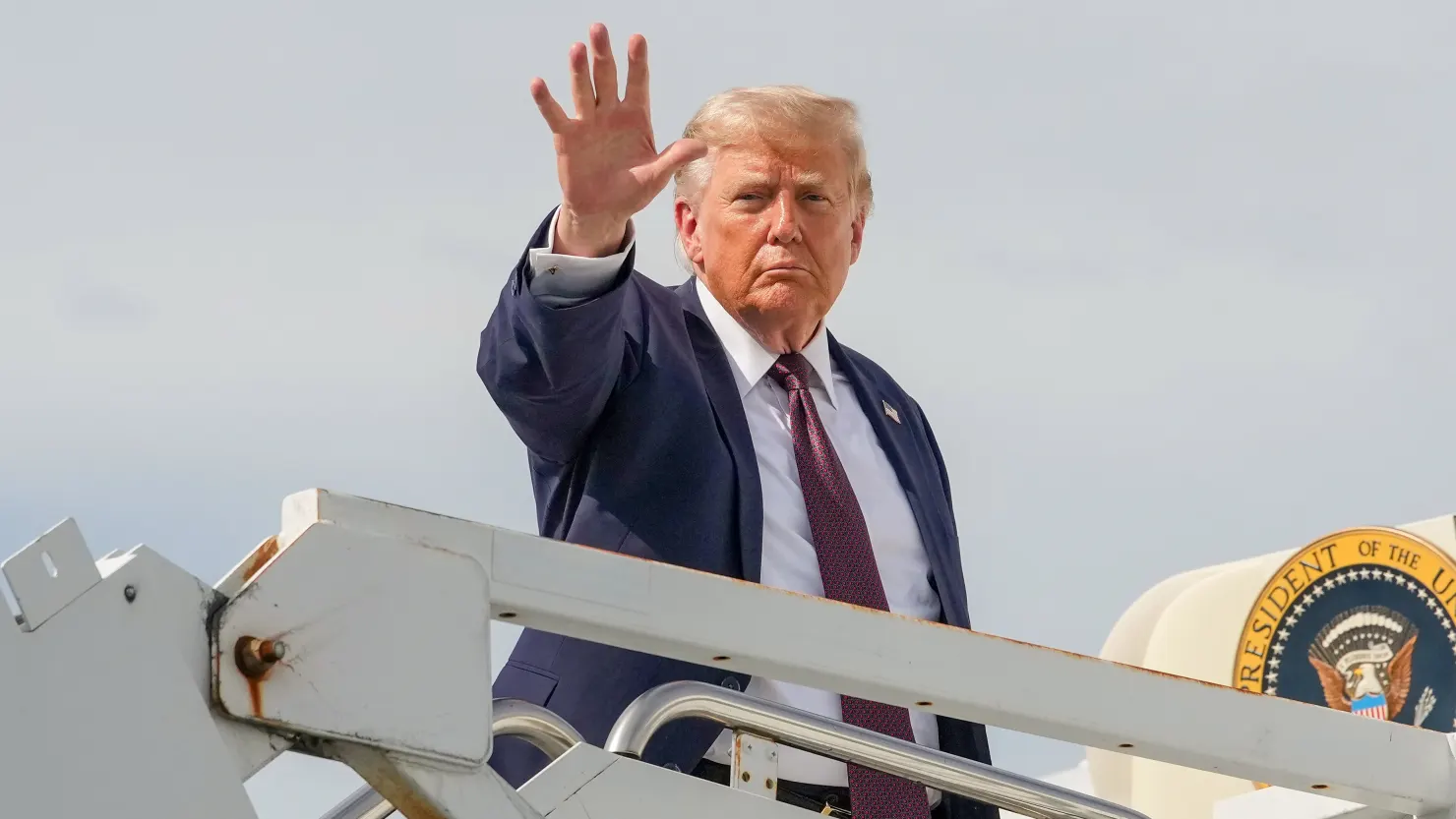
President Donald Trump is traveling to Turkey for a major NATO summit as world leaders prepare to discuss the war in Ukraine, defense spending, and growing security concerns across Europe. The meeting comes at a time when Russia continues its military attacks on Ukraine, while the United States is urging NATO members to increase their military budgets much faster than planned.
The summit is expected to bring together leaders from all 32 NATO member countries. Their talks will focus on strengthening the alliance, supporting Ukraine, and improving military readiness. The meeting also comes as questions remain about recent tensions involving Iran and earlier disagreements over Greenland, a territory that belongs to NATO member Denmark.
Trump is expected to arrive in Ankara on Tuesday after leaving the United States on Monday evening. According to the White House, he will meet Turkish President Recep Tayyip Erdogan soon after arriving. The two leaders will hold talks before joining other NATO leaders for an official dinner.
On Wednesday, Trump will attend a working session with NATO leaders. He is also scheduled to meet Ukrainian President Volodymyr Zelenskyy and Syrian President Ahmed Hussein al-Sharaa. After those meetings, Trump is expected to hold a news conference before returning to Washington.
The summit takes place just days after Russia launched another large attack on Ukraine’s capital, Kyiv. Ukrainian officials said dozens of missiles and hundreds of drones targeted the city. The strikes killed at least 11 people and injured many others. The attack has increased pressure on NATO leaders to discuss additional support for Ukraine.
Ukraine remains one of the alliance’s biggest concerns. NATO has repeatedly described Russia’s invasion as the greatest threat to European and transatlantic security in decades. Many member countries continue to provide military equipment, financial aid, and humanitarian support to Ukraine.
Before the summit, Trump spoke separately with Russian President Vladimir Putin and Ukrainian President Volodymyr Zelenskyy. The phone call with Putin lasted about 90 minutes. Russian officials described the discussion as constructive and said both leaders talked about future cooperation after the war ends.
Trump later told reporters that he believes Putin wants to end the conflict. He also said Ukraine wants peace and expressed hope that continued talks could help bring the war to a close. However, some foreign policy experts remain cautious and say there is little evidence that Russia is ready to reach a final agreement.
Zelenskyy has continued to ask NATO countries for more military support, especially stronger air defense systems. He has argued that recent attacks show Ukraine still needs more help to protect its cities and civilians. His meeting with Trump is expected to focus on military assistance and future cooperation.
Another major topic at the summit will be defense spending. NATO members previously agreed to increase military spending to 5 percent of their gross domestic product by 2035. The Trump administration is now urging allies to reach that goal much sooner.
United States officials say Europe should take greater responsibility for defending the continent while America continues to support the alliance. They stress that the United States remains committed to NATO but expects European partners to carry more of the defense burden.
NATO Secretary General Mark Rutte has said the alliance must turn previous promises into real action. Many leaders are expected to announce new defense investments during the summit. United States officials have also suggested that billions of dollars in new military commitments could be announced during the meetings.
Political analysts say the summit could shape NATO’s future direction. They believe leaders must show unity while responding to Russia’s continued military actions and growing security challenges. At the same time, they hope discussions remain focused on practical solutions instead of political disagreements.
The outcome of the Ankara summit may influence NATO policy for years to come. Decisions on defense spending, military cooperation, and continued support for Ukraine will be closely watched by governments around the world. As global tensions remain high, alliance leaders face growing pressure to demonstrate that NATO remains united and prepared to respond to future security threats.
