


The latest Iran US nuclear deal negotiations have entered a tense new stage after American officials claimed a broad agreement had been reached while Iranian sources accused Washington of creating new obstacles.
US officials said a deal in principle had been agreed to reopen the Strait of Hormuz and move forward with discussions linked to Iran’s nuclear program. However, no final agreement has been signed, and major issues reportedly remain unresolved.
According to American officials, the proposed framework would require final approval from President Donald Trump and Iran’s Supreme Leader before becoming official.
One senior US official said talks were progressing but explained that Iran’s political system moves slowly, making an immediate agreement unlikely. The official also stated that discussions continue over how Iran would dispose of its enriched uranium stockpile.
The United States said Iran had accepted the idea of removing or disposing of enriched nuclear material, but negotiators were still debating how that process would work in practice.
Iranian authorities did not immediately confirm the American claims about an agreement in principle. Iranian media outlets instead reported growing frustration over what officials described as changing US demands during negotiations.
The Iran US nuclear deal discussions also appear connected to wider regional issues, including the reopening of the Strait of Hormuz and ceasefire arrangements linked to tensions in Lebanon.
Iran’s semi-official Tasnim news agency reported that disagreements remain over frozen Iranian financial assets and restrictions involving Iranian ports. The report warned that the agreement could still collapse if disputes continue.
According to Iranian sources, Tehran wants guarantees that all parts of the agreement will be fully implemented before signing any final memorandum.
Iranian officials also reportedly rejected proposals that would allow Israel to continue military operations in Lebanon under broad security justifications.
The Strait of Hormuz remains one of the world’s most important oil shipping routes. Any agreement affecting the waterway could have major effects on global energy markets and regional stability.
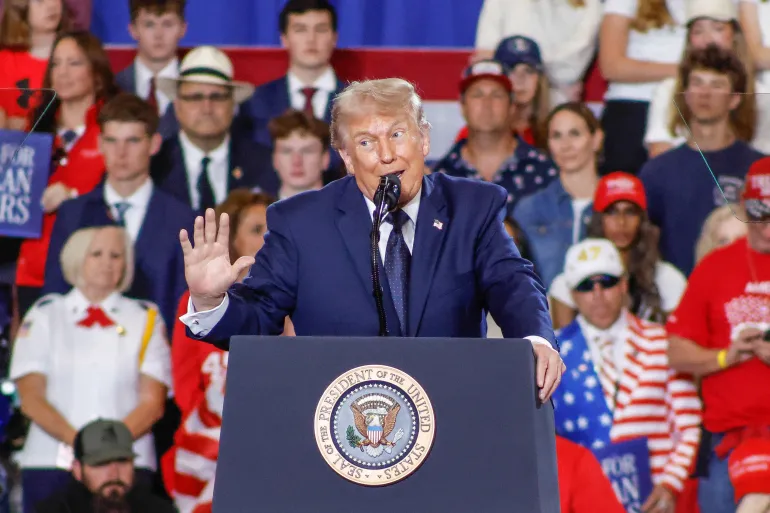
US President Donald Trump said negotiations with Iran were becoming more professional and productive. In public statements, Trump insisted that Iran would never be allowed to develop a nuclear weapon.
Trump also criticized the 2015 nuclear agreement reached during former President Barack Obama’s administration. He described the earlier deal as weak and claimed his administration was negotiating a much stronger arrangement.
The president said the current talks represent the exact opposite of the earlier agreement, although he admitted the new deal has not yet been fully negotiated.
Trump also revealed that he recently spoke with several Middle Eastern leaders, including officials from Saudi Arabia, the UAE, Qatar, Pakistan, Turkiye, Egypt, and Israel.
Israeli Prime Minister Benjamin Netanyahu later confirmed he had discussed the proposed framework with Trump. Netanyahu said any final agreement must remove all nuclear threats connected to Iran.
He argued that Iran’s nuclear enrichment sites should be dismantled and all enriched nuclear material removed from Iranian territory.
Netanyahu also stressed that Israel reserves the right to defend itself against threats across the region, including in Lebanon.
Political analysts believe Israel could still complicate the Iran US nuclear deal process if Israeli leaders feel the agreement does not go far enough.
Some experts warn that tensions linked to Lebanon and regional security issues may become major obstacles during final negotiations.
Iranian officials continue accusing Washington of changing positions during discussions. Analysts in Tehran say Iranian leaders remain open to diplomacy but fear that new American demands could weaken trust between both sides.
At the same time, US officials appear eager to secure a diplomatic breakthrough that could reduce tensions in the Middle East and stabilize shipping routes through the Persian Gulf.
Oman has also become involved in discussions surrounding freedom of navigation through the Strait of Hormuz. Officials from Oman and Iran recently held meetings focused on maritime security and international shipping rules.
Military adviser Mohsen Rezaei said Iran believes managing security in the Strait of Hormuz is part of Tehran’s legal rights and national security responsibilities.
Despite growing optimism from some negotiators, several important issues remain unresolved. Both countries still need to settle disagreements over sanctions relief, frozen assets, regional security, and nuclear enforcement measures.
The Iran US nuclear deal discussions now face a critical stage as negotiators attempt to move from broad principles toward a detailed final agreement acceptable to both sides.
