


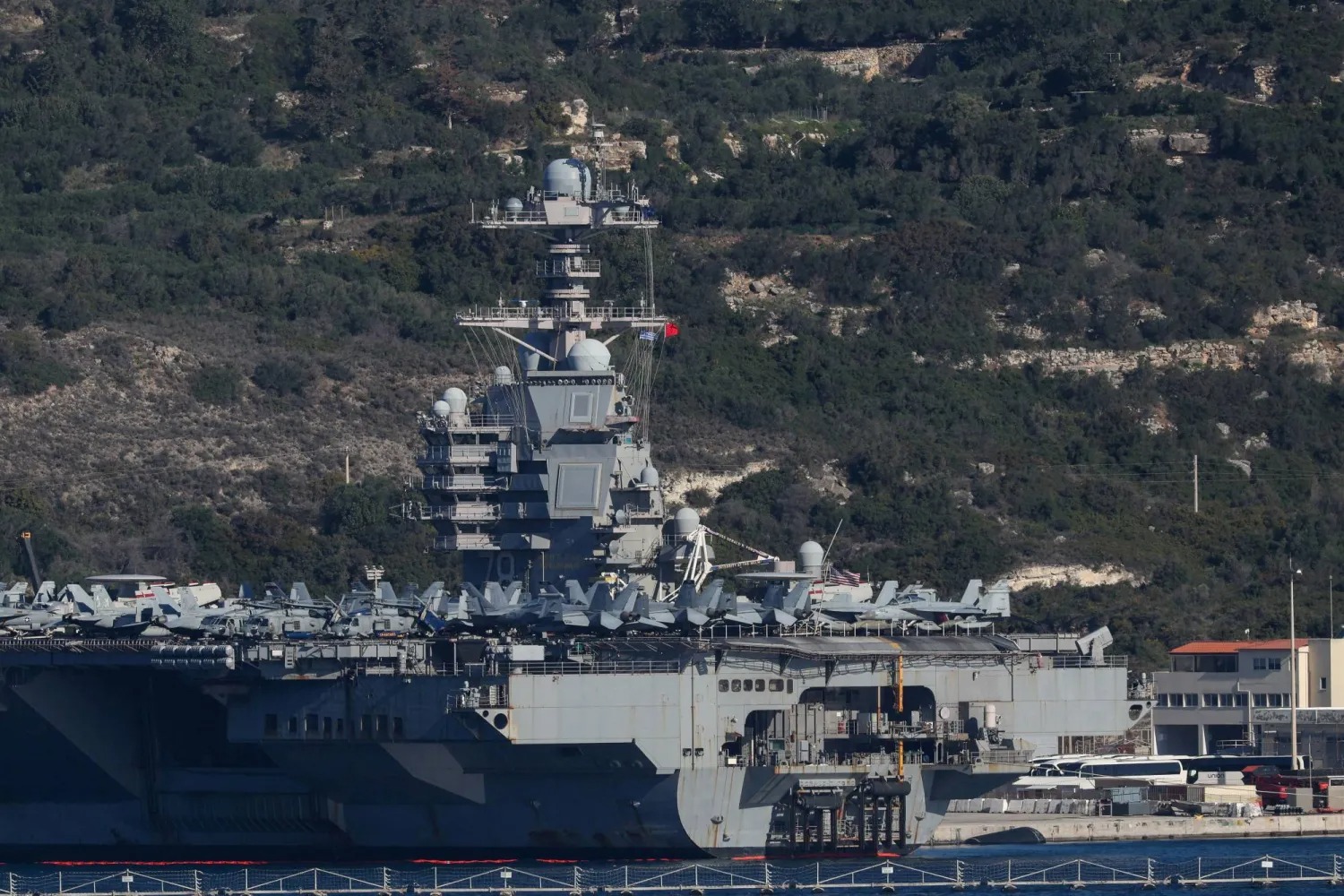
Eight U.S. Navy personnel assigned to the USS Abraham Lincoln carrier strike group attempted suicide during a deployment that included combat operations against Iran and one of the longest periods at sea in the carrier’s modern history, according to a letter from Acting Navy Secretary Hung Cao.
The figure was disclosed in written responses sent to Sen. Kirsten Gillibrand, a member of the Senate Armed Services Committee. Cao stated that no service members died by suicide during the deployment, but the number of attempts has drawn attention to the mental health challenges faced by sailors during extended operations.
According to the letter, the eight suicide attempts involved personnel from across the Abraham Lincoln carrier strike group. The group includes the aircraft carrier, its air wing, escorting destroyers, embarked aviation squadrons, and command staff assigned to the deployment.
“Since the beginning of Lincoln’s deployment, there have been a total of eight suicide attempts across the strike group,” Cao wrote. The number covers sailors serving on multiple vessels operating together during the mission.
Between 6,000 and 7,000 sailors were deployed as part of the strike group across several ships. The USS Abraham Lincoln spent more than six months at sea while supporting military operations in the Middle East.
The deployment was marked by a high operational tempo and limited opportunities for rest. Sailors spent long periods away from home while conducting combat-related missions. Unlike many previous deployments, the carrier made few opportunities for port visits, which are often used to resupply ships and provide crews with a break from daily operations.
One U.S. military official described the number of suicide attempts as unusually high. The official noted that recent carrier strike group deployments typically recorded one or two suicide attempts annually. The official added that the demands of sustained combat operations placed extra pressure on personnel.
The Navy has previously stated that it has not observed a broader increase in suicidal behavior aboard the carrier. Officials have also said there is no clear evidence linking deployment length directly to thoughts of self-harm.
However, concerns about morale aboard the USS Abraham Lincoln have surfaced throughout the deployment. Sailors who spoke about conditions on the carrier described significant stress related to the extended mission and uncertainty surrounding their return home.
One crew member said many sailors closely followed updates from ship leadership regarding the carrier’s expected return date. According to the sailor, lengthy operations created anxiety among personnel who were eager to reunite with their families after months at sea.
The sailor also described challenges involving daily living conditions. Reports included temporary closures of toilets and water fountains, along with periods when hot water was unavailable. While such issues are not uncommon aboard naval vessels, some sailors said the prolonged deployment made the problems more difficult to manage.
The Navy deployed several mental health resources with the strike group. According to Cao’s letter, support personnel included five chaplains, a prevention counselor, a psychologist, a clinical social worker, behavioral health technicians, and an expeditionary facility dog.
The letter also provided details about several overboard incidents during the deployment. One sailor assigned to the carrier air wing went overboard in August but was quickly rescued and treated by the ship’s medical team. Another sailor attempted to go overboard in March but was stopped by fellow crew members before entering the water.
Both sailors received immediate medical attention following the incidents.
Earlier reports also described additional overboard situations involving members of the strike group. Navy officials said individuals involved were recovered safely and provided support services.
Sen. Gillibrand criticized the handling of conditions affecting service members during the deployment. She argued that concerns raised by sailors and their families deserved greater attention and stronger support from military leadership.
The USS Abraham Lincoln departed the Middle East in August and is expected to return to its home port in San Diego in the coming weeks. As the carrier nears the end of its deployment, the newly released figures have renewed discussion about the mental health challenges faced by sailors during lengthy and demanding military operations.
The disclosure also highlights the growing focus on ensuring service members have access to support resources while carrying out missions in high-pressure environments around the world.
