


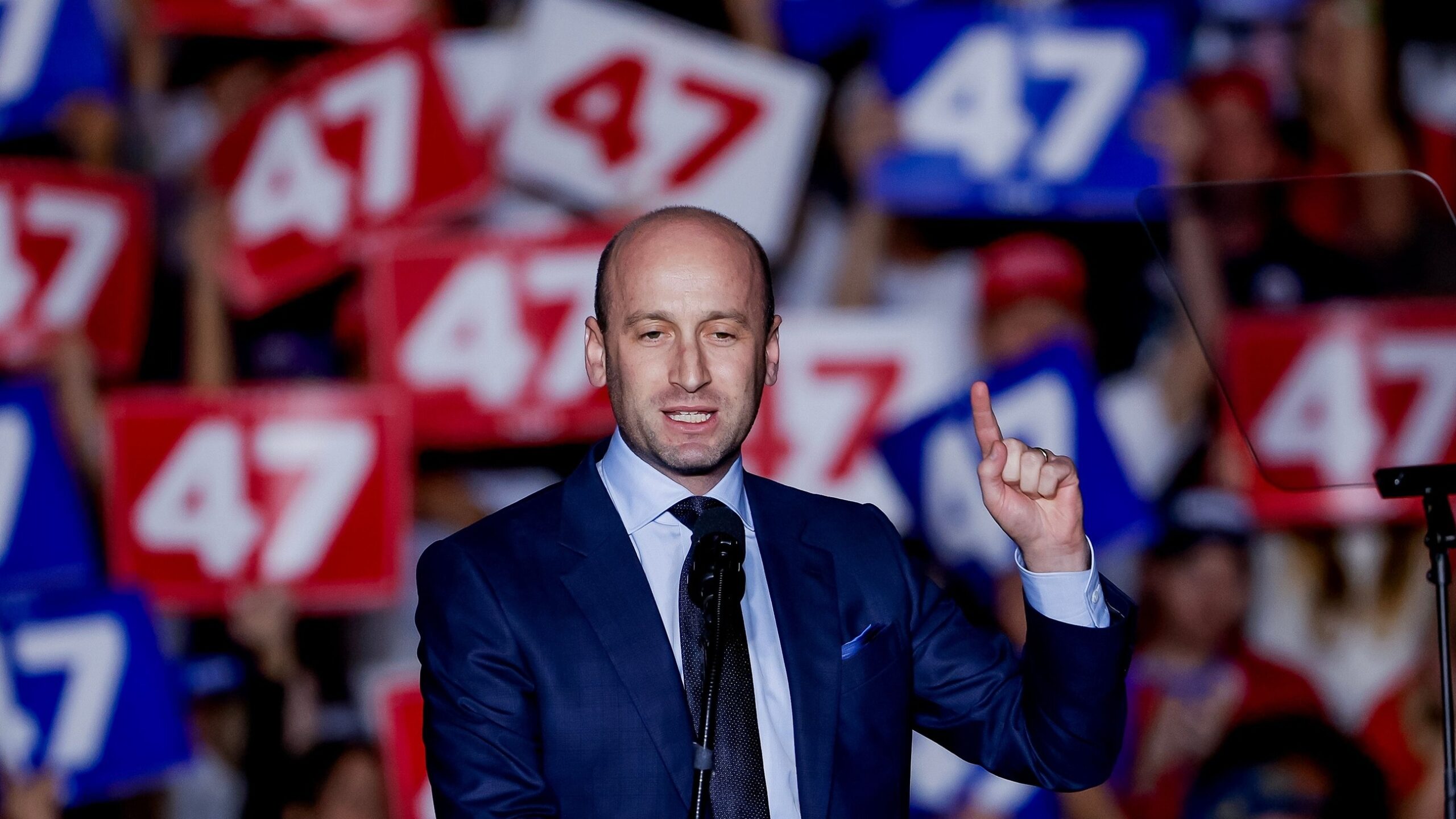
Donald Trump’s decision to promote Stephen Miller to White House chief of staff has placed one of his most loyal advisers at the center of American politics. Miller has spent years shaping Trump’s policies, especially on immigration. His new position will give him more power over White House operations and the president’s key decisions.
Miller began his career in Washington in 2007. He first worked as a press secretary for Republican Representative Michele Bachmann of Minnesota. He later joined the office of Representative John Shadegg of Arizona.
In 2009, Miller moved to the Senate and became a press secretary for Alabama Senator Jeff Sessions. He later rose to become Sessions’s communications chief. During those years, he became known for his strong views on immigration and his direct political style.
Miller encouraged Sessions to take a tougher position on immigration. He also helped the senator fight a bipartisan immigration reform bill in 2013. Miller wrote a guide that showed lawmakers how to oppose the proposed changes. The effort helped strengthen his position among conservatives who wanted stricter immigration rules.
His work in Washington also earned him a reputation as an aggressive political aide. He often argued with reporters and other people in political circles. His approach was seen as direct, forceful, and unwilling to compromise.
When Trump entered the 2016 presidential race in 2015, Sessions became the first US senator to endorse him. Sessions later became attorney general during Trump’s first term. Miller also joined the Trump campaign and quickly became one of the president’s closest advisers.
The relationship between Trump and Sessions later became strained. Sessions had removed himself from investigations into Trump’s 2016 campaign and election victory. Trump strongly opposed that decision. Their political relationship eventually broke down.
Miller, meanwhile, stayed close to Trump. He remained part of the president’s inner circle during his first term, the period after leaving office, and his return to the White House.
He is widely viewed as a key architect of Trump’s immigration agenda. As deputy chief of staff for policy, Miller pushed for tougher enforcement measures and larger arrest targets. He also supported suspending habeas corpus rights, which allow people in custody to challenge their detention before a court.
Miller urged the administration to increase its daily immigration arrest target to 3,000. His proposals have drawn strong criticism from opponents of the president’s immigration policies.
One of the most widely discussed operations during Trump’s second term was Operation Metro Surge in Minneapolis. Federal agents fatally shot two American citizens during the operation. Miller described both victims as domestic terrorists. His comments increased public debate over the administration’s immigration crackdown.
During Trump’s first administration, Miller was also a leading supporter of the policy that separated migrant children from their parents at the US border. The policy faced widespread criticism from human rights groups and political opponents.
His new role gives him a wider reach across the White House. The chief of staff manages daily operations, supervises staff, and works closely with the president. The position can also shape which people meet Trump and which policy issues receive attention.
Miller’s earlier work in the Senate gives him a strong understanding of Congress and the use of presidential power. He is also known for studying policy details, reading reports, asking questions, and expecting quick results from staff.
His influence could grow further following the departure of Susie Wiles. Some people in Washington viewed Wiles as a limit on Miller’s influence. Without her in the role, he may have more freedom to shape decisions across the administration.
Miller’s wife, Katie Miller, also has strong links to Republican politics. During Trump’s first term, she worked as communications director and press secretary for Vice President Mike Pence. When Trump returned to office, she became an adviser to the Department of Government Efficiency, known as DOGE.
The initiative, led by Elon Musk, aimed to reduce federal spending and cut the size of the government workforce. Katie Miller now hosts a podcast aimed at conservative women.
Stephen Miller has remained loyal to Trump through several political changes. After Trump lost the 2020 election, Miller helped establish America First Legal. The conservative group supports strict immigration enforcement, challenges diversity, equity, and inclusion programs, and promotes election integrity.
He returned to Trump’s 2024 campaign and later joined the White House as deputy chief of staff for policy and an adviser on homeland security.
However, his promotion has created debate within the Republican Party. North Carolina Senator Thom Tillis has been one of his most vocal critics. He urged Trump to reconsider the decision and called the promotion a major mistake just days after the party’s heavy midterm losses.
Some former Trump officials have also questioned the move. They argue that Miller’s hardline approach may not match what voters want after the election results. Others believe his appointment could make it harder for Trump to build a working relationship with the new Democratic majority in Congress.
The chief of staff position does not require Senate confirmation. Miller can therefore take up the role without a confirmation hearing or vote.
His promotion marks a major shift in the White House. It places a longtime Trump loyalist in one of the most powerful positions in the administration at a time when the president faces growing political pressure.
