


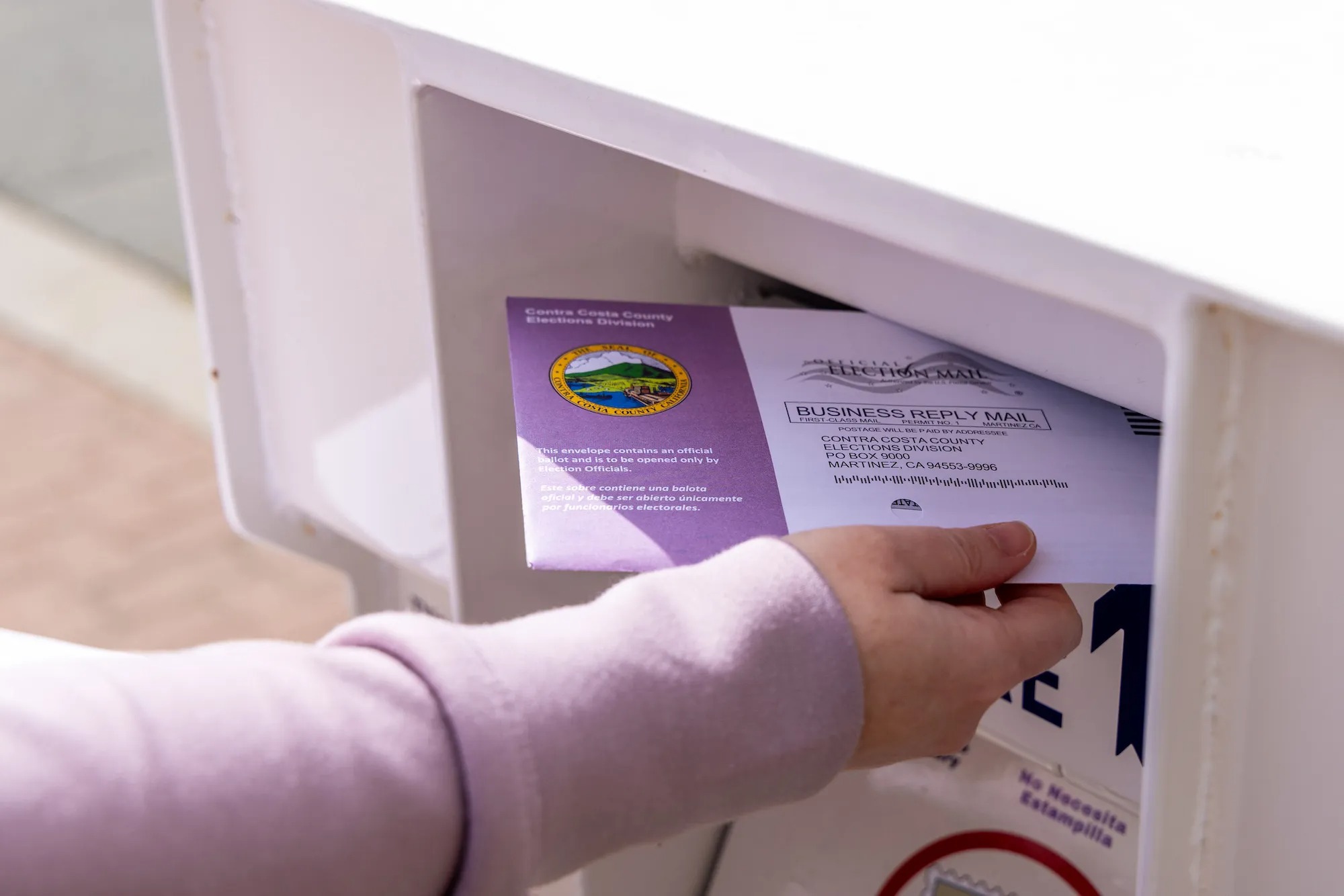
The US Department of Justice has asked a federal judge to end its lawsuit against California over nearly 20,000 ballots it claimed may have been cast by noncitizens. The request was filed on Friday, after the state had already processed millions of votes in the midterm elections.
The federal case aimed to prevent California from counting the disputed ballots until the immigration status of the people on a government list could be checked. However, state officials argued that the list was outdated and included people who were legally registered to vote.
The decision to seek dismissal came only days after Republicans suffered major losses in the midterm elections. It also came about a week before a planned court hearing. A special master was due to review the list and examine whether election officials could identify and separate the ballots in question.
In its filing, the Justice Department said the action it had requested was no longer possible. By the time of the hearing, the disputed ballots would have been mixed with other lawful votes. The department argued that this made its original request unnecessary and left voluntary dismissal as the required step.
California election officials reported that around 9 million ballots had been processed by early Friday. Nearly 5 million more were still waiting to be counted. Under the state’s voting process, ballots are anonymized after they are processed. This means officials cannot easily link a counted ballot to a specific voter.
Bill Essayli, the leading federal prosecutor in Los Angeles, had raised this issue before the election. He previously argued that the lawsuit would lose its purpose after Election Day because the state would no longer be able to keep the alleged noncitizen ballots separate.
The Justice Department filed the lawsuit in mid-October. At that point, ballots had already been sent to all 23 million registered voters in California. Hundreds of thousands had also gone through the counting process.
Essayli said when the case began that the federal government wanted to prevent illegal voting before it could affect the election. He argued that action had to be taken before ballots were processed and anonymized.
The lawsuit was part of a wider effort by President Donald Trump’s administration to increase its role in state election matters. Trump has repeatedly claimed that illegal voting is widespread in the United States, although he has not provided evidence to support those claims.
The administration is still facing other legal challenges over its use of lists of people suspected of being noncitizens. Immigrant and voting rights groups are seeking court orders to restrict how federal officials use the information.
A separate legal dispute in Alaska also ended in a setback for the administration. The Justice Department filed a case before the election at Trump’s direction, seeking to block the victory of a Democratic candidate in the state’s Senate race. A federal judge dismissed the lawsuit quickly. The administration has appealed, but it has not yet filed its full argument with the 9th Circuit Court of Appeals.
Meanwhile, California prosecutors have continued investigations into suspected illegal voter registration. More than 30 noncitizens have been arrested in recent weeks over allegations that they registered to vote unlawfully. Some are also accused of casting ballots in earlier elections.
Election clerks across California also received subpoenas shortly before the midterm elections. They were asked to appear before grand juries expected to meet in November. However, it remains unclear who may face criminal charges. The Justice Department does not usually subpoena people it considers targets of an investigation to appear before a grand jury.
US District Judge David O. Carter appointed a special master in late October. He had previously allowed California to continue its election process while the lawsuit moved forward.
Carter raised concerns about the federal request to separate ballots so late in the election process. He warned that the plan could prevent eligible citizens from having their votes counted and create major disruption. His order also questioned the accuracy of the federal list.
The special master was expected to assess the list and determine whether California had a working system to identify the disputed ballots. The Justice Department’s request to dismiss the case could end that review before it takes place.
The latest filing adds another chapter to the dispute over federal authority and state control of elections. Although the California lawsuit may now be dropped, other cases involving voter lists and election oversight remain active in federal courts.
