


A major legal fight is unfolding in the United States as Nevada and 23 other states have filed a lawsuit against the US Department of Education over new student loan rules. The US student loan lawsuit challenges a federal policy that narrows which graduate programs are classified as “professional degrees.” State officials say the change could block access to essential funding for thousands of students, especially in healthcare fields.
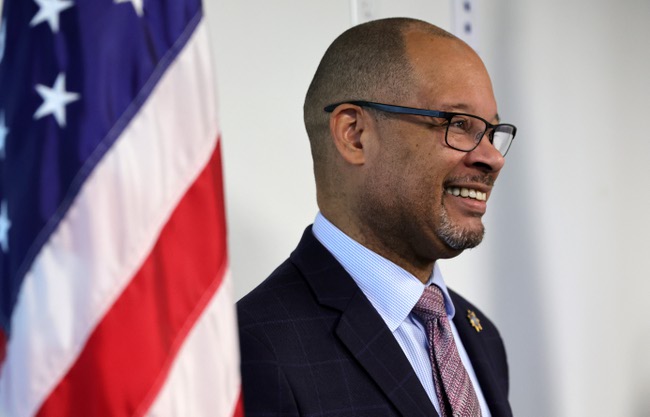
The lawsuit is being led by Nevada Attorney General Aaron Ford. It was filed on Tuesday in the US District Court for the District of Maryland. The coalition includes attorneys general from across the country, including major states such as California, New York, and Illinois, as well as several governors. The group argues that the new rule will worsen workforce shortages and increase inequality in higher education access.
Ford warned that the rule could have serious consequences for Nevada’s healthcare system. He said it would reduce financial aid for students pursuing advanced medical degrees. According to him, this would make it harder to train enough doctors, nurses, and specialists. He described education access as a matter of fairness and opportunity. He also said talent, not wealth, should determine who can pursue higher education.
The dispute traces back to federal changes introduced under President Donald Trump’s education and tax legislation. The law directed the Department of Education to define which programs qualify as “professional degrees” for higher federal loan limits. That classification is important because it determines how much students can borrow for graduate study.
In February, the Department of Education proposed narrowing the definition to just 11 fields. These include areas such as medicine, law, dentistry, and theology. However, the rule excludes several major healthcare-related programs. Nursing, physical therapy, occupational therapy, social work, and physician assistant studies would no longer qualify as professional degrees.
Under the new system, students in approved “professional” programs could borrow up to $50,000 per year, with a total cap of $200,000. Other graduate students would face lower limits, including $20,500 per year and a total cap of $100,000. Officials also confirmed that Graduate PLUS Loans will be eliminated for new borrowers starting July 1. A broader borrowing cap of $257,500 will apply across all federal student loans.
The Department of Education has defended the changes. Officials argue that the policy is designed to reduce student debt and control rising tuition costs. They also note that graduate students account for a large share of federal loan borrowing. The department says limiting borrowing will encourage universities to keep costs under control. It also claims the reforms will make repayment systems more flexible and manageable for students.
However, critics say the rule misunderstands the cost of advanced education. Around 65,000 public comments were submitted during the review period, many opposing the changes. The states involved in the lawsuit argue that the department overstepped its authority. They say Congress did not intend for such a narrow definition of professional degrees.
The coalition claims the rule violates federal law by changing definitions without proper authorization. They argue it could reduce funding for public universities and weaken critical workforce pipelines. Healthcare fields are a major concern, especially nursing, where shortages are already affecting rural and underserved communities.
Healthcare professionals have also raised concerns about the impact. Nurse practitioner Dr. Denise Ogletree-McGuinn said advanced nursing programs are already expensive and often cost up to $100,000 or more. She warned that lower borrowing limits could discourage students from entering the field. She also highlighted the importance of advanced nurses in rural Nevada, where they often provide primary care services due to a lack of doctors.
The lawsuit argues that limiting access to student loans will worsen these shortages. It says states rely on graduates from these programs to fill essential roles in hospitals and community clinics. Without adequate funding, fewer students may be able to complete their education. This could have long-term effects on public health systems across the country.
Supporters of the lawsuit say the policy could deepen inequality in higher education. They argue that students from low- and middle-income families will be hit hardest. These students are more likely to depend on federal loans to finance expensive graduate programs. Critics say the rule effectively limits who can pursue professional careers based on financial background.
The case now moves to federal court, where judges will decide whether the Education Department acted within its authority. The outcome could reshape how graduate education is financed in the United States. It may also influence future debates on student debt, tuition costs, and access to professional careers.
As the US student loan lawsuit unfolds, it highlights a broader national debate over education funding. At its center is a question of access: who gets to pursue advanced degrees, and who is left behind due to cost barriers.
